John Dankosky
Editorial Director
John leads the audio team that creates our weekly radio show and daily podcast.
John loves working on journalism collaborations. He helped build our State of Science Reporting Network; brought together 18 stations across the Northeast to cover environmental issues; a project which eventually led to the New England News Collaborative; worked with NPR on their Collaborative Coverage Project; and hosted the national collaborative talk program America Amplified.
For 25 years, John oversaw news programming at WNPR, where he started the daily talk show, Where We Live. He’s also produced award-winning long-form documentaries on mental health and elder care, and reported hundreds of short stories for NPR and public radio stations. These covered everything from politics to PFAS to basketball shoes, including one story about virtual reality in dentistry that’s actually pretty embarrassing to listen to now.
You might know his voice as a long-time guest host on Science Friday, and you can still see him periodically hosting live events for The Connecticut Mirror.
He and his wife and their three cats live in the sleepy Northwest hills of Connecticut, where they run LAM Yoga, a small studio that leads international yoga retreats. But John grew up in Pittsburgh, and is as big a Mr. Rogers fan as you’ll find anywhere.

17:15
When the federal government wavered in its commitment to climate action, cities stepped up. But goals, and success, are hard to define.

16:31
The latest update moves the recommended age to start mammograms from 50 down to 40. How are these decisions made?
6:11
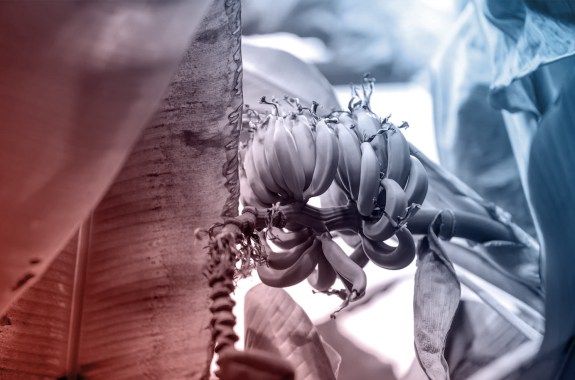
America’s most-consumed fruit is at risk from a fungal disease. Researchers in North Carolina are on a mission to save Cavendish bananas.
8:27
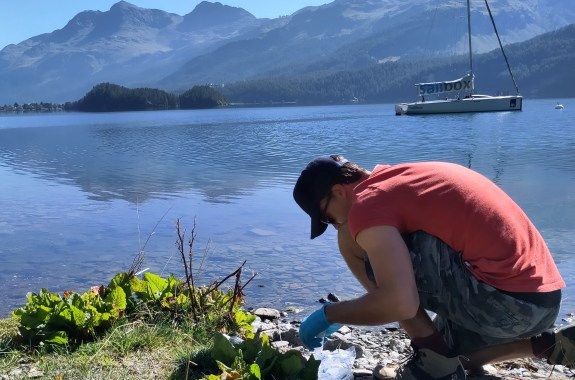
The project aims to find species that have gone unnoticed by sampling the waters of hundreds of lakes worldwide for environmental DNA.
16:35
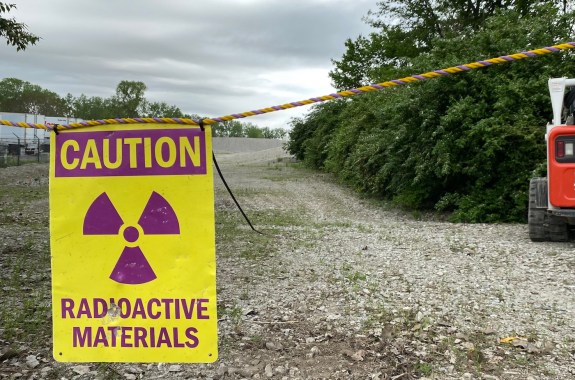
Superfund sites contain extreme pollution. Flooding—made worse by climate change—could carry their toxic contaminants into surrounding areas.

17:17
We revisit a 2020 interview with cosmologist Katie Mack about how the universe could end. Plus, remembering psychologist Daniel Kahneman.

17:05
Dr. Frans de Waal, who died this month, helped humans understand the emotional lives of our closest living animal relatives.
7:20
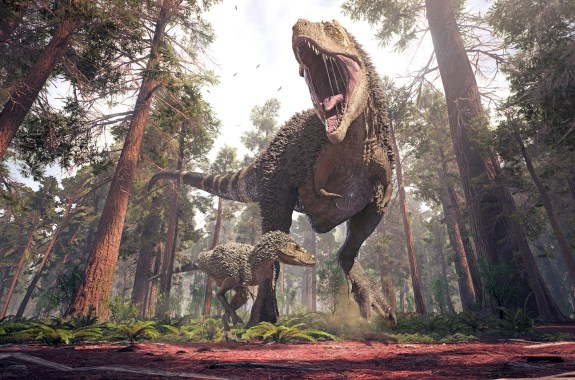
In the movie “65,” an alien crashes on Earth during the Jurassic era, shocked to discover dinosaurs. An astrobiologist has questions.

12:16
Hycean planets were thought to be covered by oceans of water, but a new study suggests it could be magma instead.
17:07
A new podcast series examines sonified space data to explore pivotal moments throughout the history of astronomy.