Audio
Listen to Science Friday live on Fridays, or listen to our daily podcast
BROADCASTS
Listen to the full 2-hour Science Friday broadcast, from last week or any week you like.
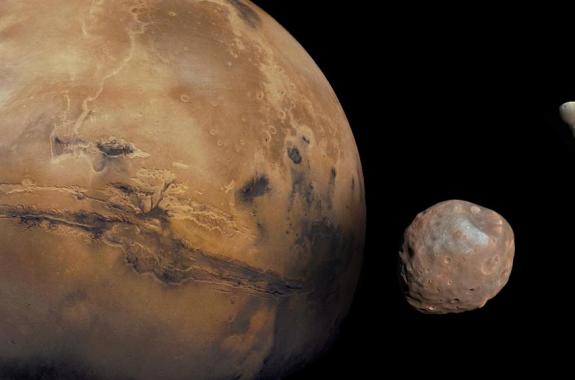
Commercial space stations, a Martian moon mission, and more
The latest on commercial space stations, Japan’s mission to bring a sample from a Martian moon, and space-based weapons.
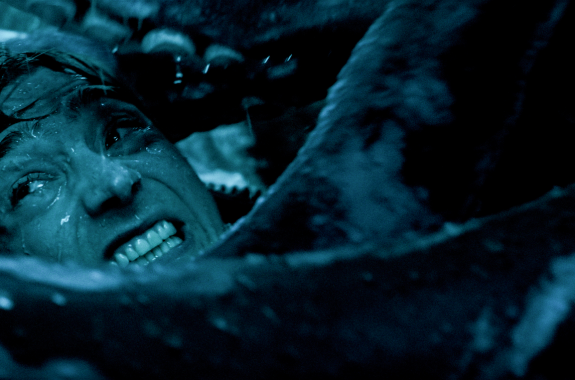
Could a whale swallow a human, ‘Whalefall’ style?
In the new movie “Whalefall,” a scuba diver has a very bad day in the guts of a sperm whale. Could it actually happen?
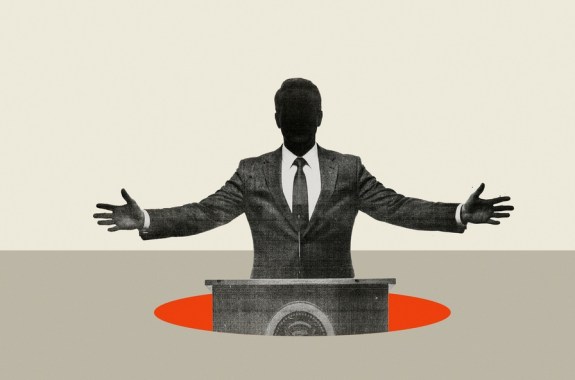
Why do politicians talk like that?
A linguist weighs in on how “politician speak” has changed over the past century, and what it says about what we want from our leaders.
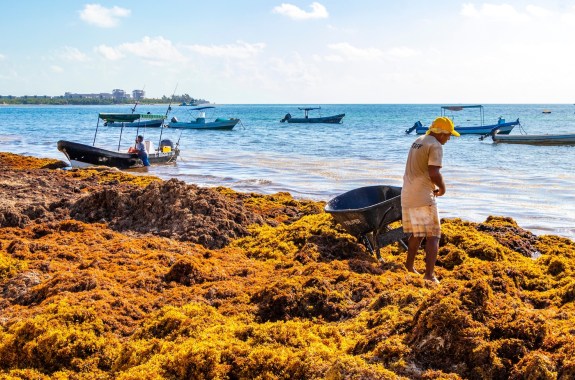
Sargassum superblooms are choking coastlines around the Atlantic
A free-floating seaweed called sargassum is exploding in the Atlantic Ocean, clogging up coastlines from West Africa to the Caribbean.
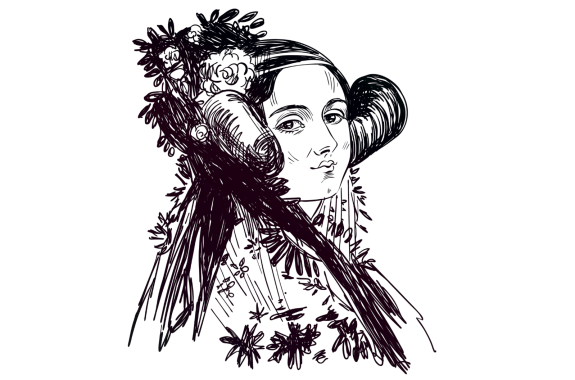
Celebrating Ada Lovelace Day and the women who made the internet
For Ada Lovelace Day, our 2018 story about the women who made the internet, with the author of “Broad Band” and the founder of EchoNYC.

Are attachment styles more than a social media trend?
Attachment styles have taken off as a way to understand relationships. But does the science behind it line up with popular interpretations?
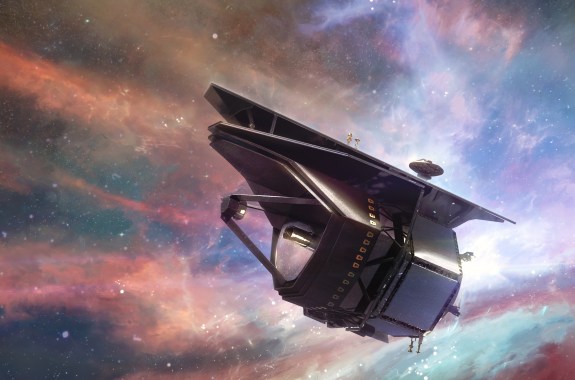
Getting the billion-dollar PRIMA space telescope off the ground
The proposed PRIMA space telescope just entered Phase B of its development. What does that mean?
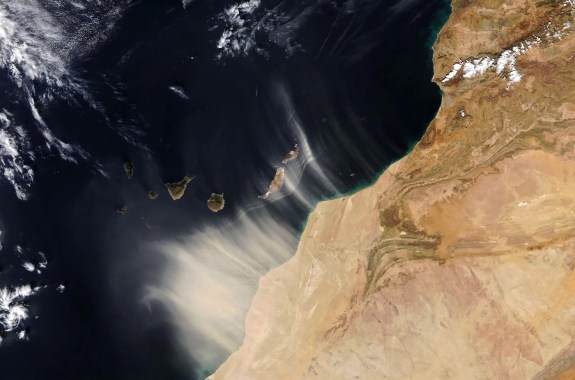
How dust traveling through the atmosphere shapes our world
An estimated 2 billion tons of dust are lofted into the air each year, affecting ecosystems, the atmosphere, and the weather.
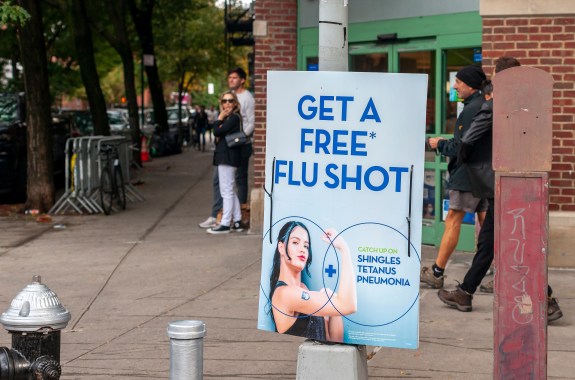
The science and politics of the new mRNA flu vaccine
A new mRNA flu vaccine promises a closer match to circulating flu strains. But dysfunction at federal health agencies is complicating rollout.
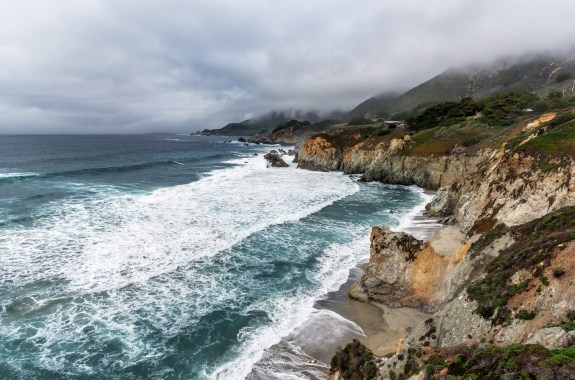
What is the Kelvin wave on the West Coast?
El Niño is driving a Kelvin wave up the West Coast, raising sea levels. What is it, and how does it work?