Shoshannah Buxbaum
Producer
Shoshannah Buxbaum is a producer for Science Friday. She’s particularly drawn to stories about health, psychology, and the environment.
Prior to joining Science Friday, she guest-hosted Utah Public Radio’s weekly science and research show, UnDisciplined. She started her career in television at New Jersey’s PBS Station, where she produced daily news segments and the station’s weekly public affairs shows. She holds a master’s degree from CUNY’s Newmark Graduate School of Journalism, with a health and science reporting concentration and audio specialization.
She’s a proud New Jersey native and will happily share her opinions on why the state is deserving of a little more love. When she’s not at work, you can find her hiking in the woods or experimenting with a new soup recipe.

A new pancreatic cancer drug doubles survival times. And a new treatment for a rare form of ALS slows and improves some patients’ symptoms.

Fossils suggest there were ancient scorpions over 3 feet long. Terrifying? Perhaps, but there’s a lot to love about these arachnids.

The FDA approved the first new sunscreen ingredient in over 20 years—one that’s long been used around the world. What took so long?

A wildlife conservationist discusses an ambitious and controversial plan to reintroduce mountain lions in New England.

Pharmaceutical companies can use overlapping patents to extend their exclusive rights to a drug, delaying production of cheaper generic forms.

A Nigeria-based molecular biologist breaks down the current Ebola outbreak, and what’s needed to improve disease monitoring across Africa.

A growing body of research suggests that some common vaccinations have benefits far beyond preventing the disease they were designed for.

A bioethicist walks us through the complexity of clinical trials, from their core scientific questions to patient selection to FDA approval.

Why are appliances playing elaborate tunes, and where do they come from? Two sonic designers explain how they compose for your vacuum.
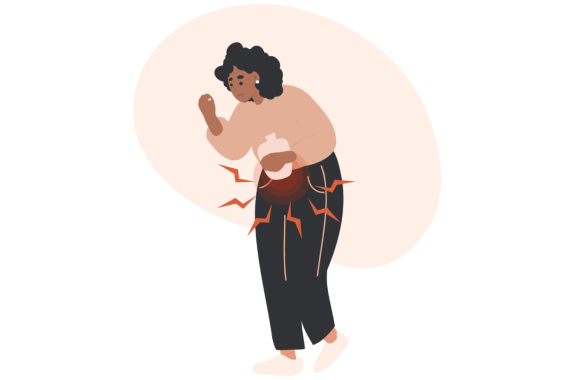
Black women face systemic issues accessing gynecological care. A physician-scientist outlines her vision to improve healthcare disparities.