Shoshannah Buxbaum
Producer
Shoshannah Buxbaum is a producer for Science Friday. She’s particularly drawn to stories about health, psychology, and the environment.
Prior to joining Science Friday, she guest-hosted Utah Public Radio’s weekly science and research show, UnDisciplined. She started her career in television at New Jersey’s PBS Station, where she produced daily news segments and the station’s weekly public affairs shows. She holds a master’s degree from CUNY’s Newmark Graduate School of Journalism, with a health and science reporting concentration and audio specialization.
She’s a proud New Jersey native and will happily share her opinions on why the state is deserving of a little more love. When she’s not at work, you can find her hiking in the woods or experimenting with a new soup recipe.
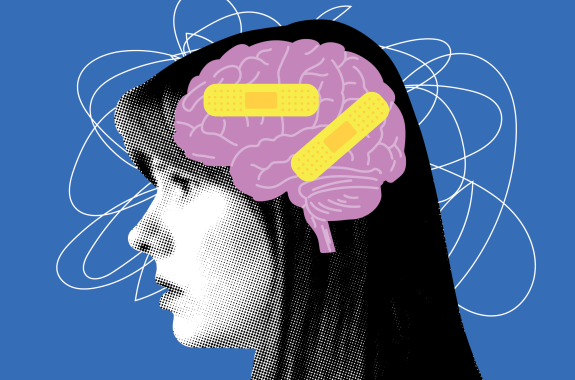
The latest scientific understanding of concussions is upending treatment recommendations for recovery.

A new wellness trend focuses on stimulating the lymphatic system. What does this system do, and is there science to back these claims?

Shorter courses of antibiotics may reduce antimicrobial resistance. Plus, a new study finds a group of genes associated with fibromyalgia.
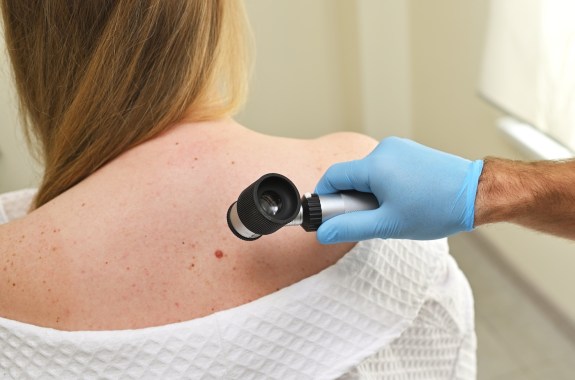
Moderna and Merck say an mRNA vaccine reduced melanoma recurrence in a clinical trial. Could this usher in a new era of cancer treatment?

How GPS transformed from a niche military technology to one we rely on every day.

Little red dots appear all over images from the James Webb Space Telescope. They may belong to a new cosmic category called black hole stars.

Researchers are looking into what triggers lucid episodes in Alzheimer’s patients, and what they tell us about caring for people with dementia.
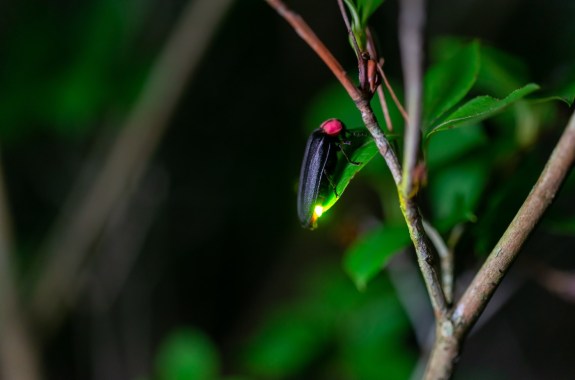
A new journal documents species “lost to science.” Plus, a project to locate lost firefly species in the U.S. and Canada.
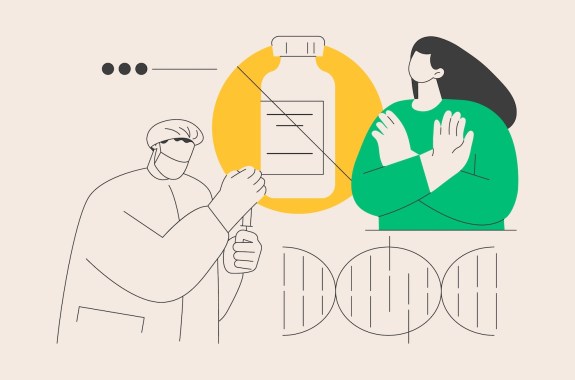
An immunologist who’s been on both sides of vaccine hesitancy talks about what drives it, what gets missed, and how to build trust.
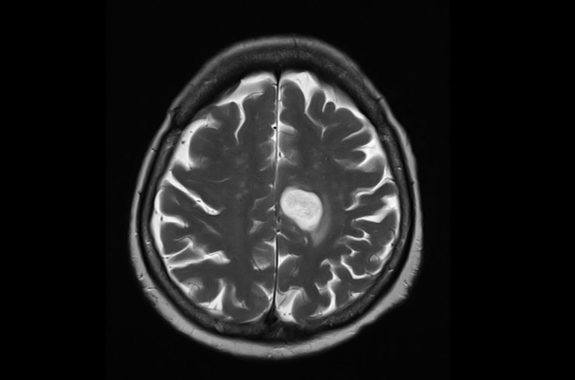
A pioneer of cancer neuroscience explains how brain cancer develops, the role of the nervous system, and what might lead to new treatments.