Rasha Aridi
Producer
Rasha Aridi is a producer for Science Friday. She loves stories about weird critters, science adventures, and the intersection of science and history.
While studying wildlife conservation at Virginia Tech, Rasha realized that she had way more fun talking about science than actually doing it. She then pivoted into journalism and has since written for outlets like Science, Smithsonian, and The Guardian. Before coming to SciFri, she worked for NPR’s Short Wave and Science Vs from Gimlet Media.
When Rasha isn’t nerding out about science, you can find her on an outdoorsy adventure, reading, or trying (and failing) to leash train her cat. Rasha is the inaugural Outrider/Burroughs Wellcome Fund Fellow.

The LUX-ZEPLIN detector picked up a strange signal that scientists haven’t cracked yet. Could it be a dark matter interaction?

The ocean is in trouble. But the sea has a hold on us, and the stories we tell about it are helping turn the tide.

We know that climate change causes weather to be more extreme, more often. Attribution science tries to nail down exactly by how much.
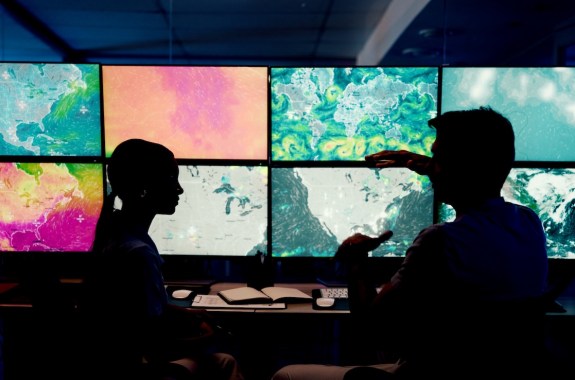
Physics and climate science use the same basic principles, but institutions often keep them separate. Morgan O’Neill is trying to change that.

At the peak of linguistic diversity, humans may have spoken up to 10 times as many languages as we do today.
12:11
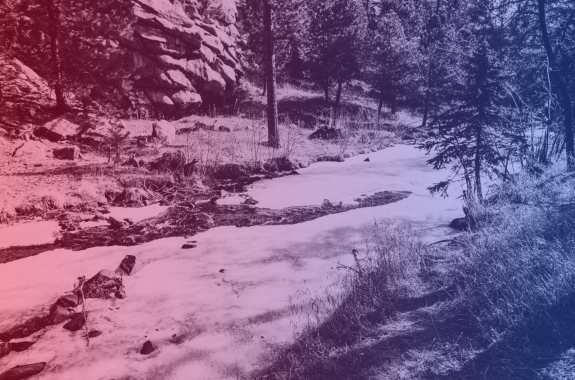
A record-breaking snow drought in Colorado jeopardizes skiing, fishing, and rafting. Can economies that rely on outdoor recreation adjust?
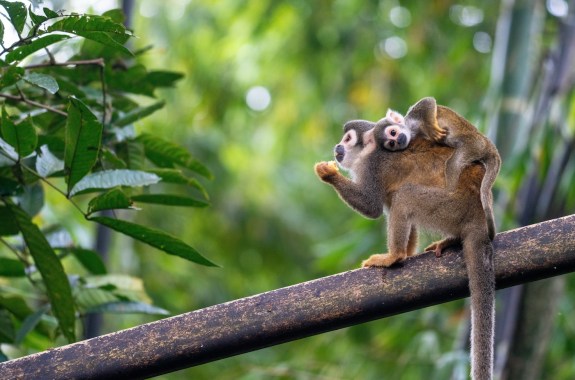
Scientists have long thought extreme childbirth was unique to humans. But some other primates appear to face similar anatomical challenges.

Extreme heat is hitting India hard. One physician is trying to understand the health impacts, and help Indians prepare for future heat waves.

In a recent analysis, scientists argued that New Orleans should relocate. But planning for a city’s future is about much more than geography.
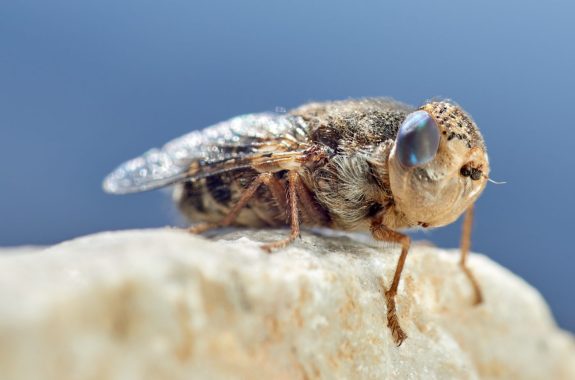
Sure, botflies are gross, but they also know just how to hitch a ride on a camel sneeze. An entomologist celebrates the wonder of parasites.