Rasha Aridi
Producer
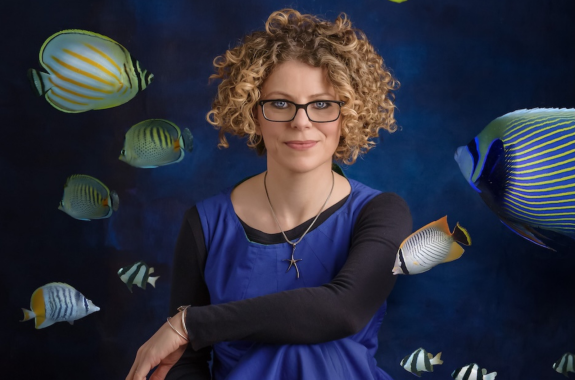
Rasha Aridi is a producer for Science Friday. She loves stories about weird critters, science adventures, and the intersection of science and history.
While studying wildlife conservation at Virginia Tech, Rasha realized that she had way more fun talking about science than actually doing it. She then pivoted into journalism and has since written for outlets like Science, Smithsonian, and The Guardian. Before coming to SciFri, she worked for NPR’s Short Wave and Science Vs from Gimlet Media.
When Rasha isn’t nerding out about science, you can find her on an outdoorsy adventure, reading, or trying (and failing) to leash train her cat. Rasha is the inaugural Outrider/Burroughs Wellcome Fund Fellow.
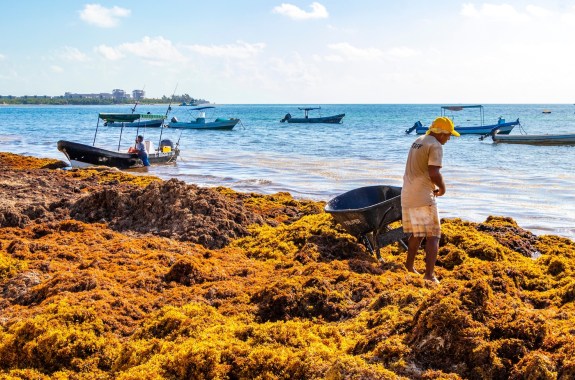
A free-floating seaweed called sargassum is exploding in the Atlantic Ocean, clogging up coastlines from West Africa to the Caribbean.
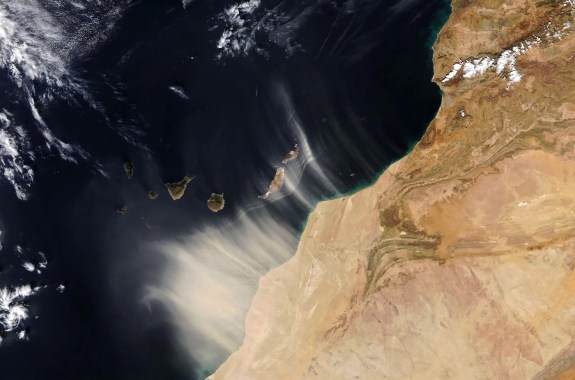
An estimated 2 billion tons of dust are lofted into the air each year, affecting ecosystems, the atmosphere, and the weather.
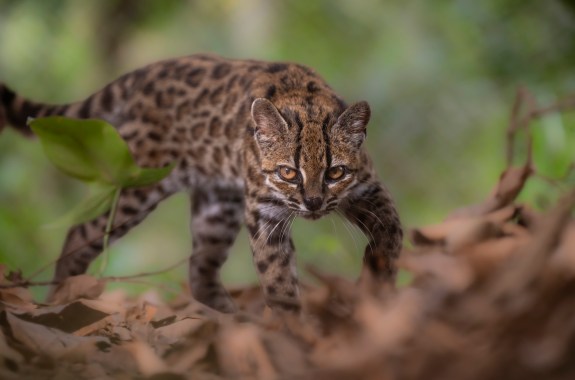
The tiny, 3-pound tilcayo is the first cat species to be described in a century. And yes, it is as cute as you’d think.

Climate leader Ayana Elizabeth Johnson reflects on this moment of the climate movement and why climate action should be fun.
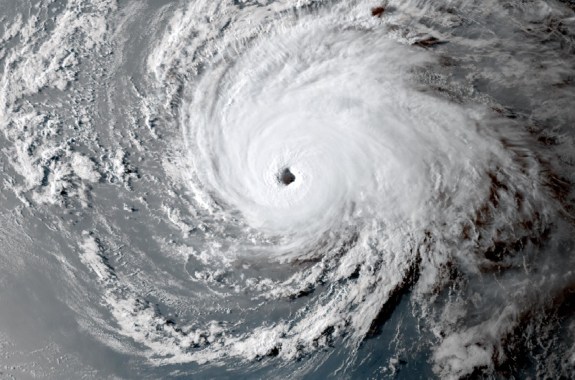
Hawaiʻi has generally been safe from the worst effects of hurricanes. But this year two hurricanes battered the islands in a matter of weeks.

The LUX-ZEPLIN detector picked up a strange signal that scientists haven’t cracked yet. Could it be a dark matter interaction?
The ocean is in trouble. But the sea has a hold on us, and the stories we tell about it are helping turn the tide.
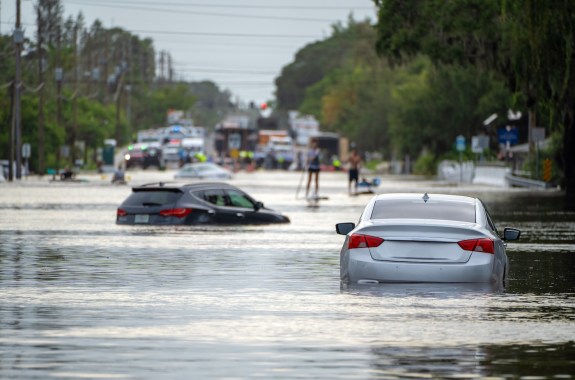
We know that climate change causes weather to be more extreme, more often. Attribution science tries to nail down exactly by how much.
Physics and climate science use the same basic principles, but institutions often keep them separate. Morgan O’Neill is trying to change that.

At the peak of linguistic diversity, humans may have spoken up to 10 times as many languages as we do today.