Grade Level
6 - 8
minutes
15 min - 1 hr
subject
Life Science
stem practices
Obtaining, Evaluating, and Communicating Information
Activity Type:
discussion questions, fossils
If you’ve ever eaten something you shouldn’t, you may have experienced feelings of nausea or thrown up. You may have seen your dog or cat vomit when something doesn’t agree with its tummy. Well, it turns out that ancient creatures puked sometimes, too. Arnaud Rebillard, a researcher at the Natural History Museum of Berlin, Germany, discovered “regurgitalites,” or fossilized vomit in January 2026. The discovery is providing new insights into ancient ecosystems!
Earth’s Ancient Hydrogen, And Fossilized Vomit
Key ideas
You may have dissected owl pellets in science class to find bits of bone that the bird can’t digest. The indigestible parts of their prey are regurgitated, or vomited, as pellets. It’s a natural way for some birds to rid their digestive systems of things like bone, feathers, or fur, much like a cat expelling a hairball.
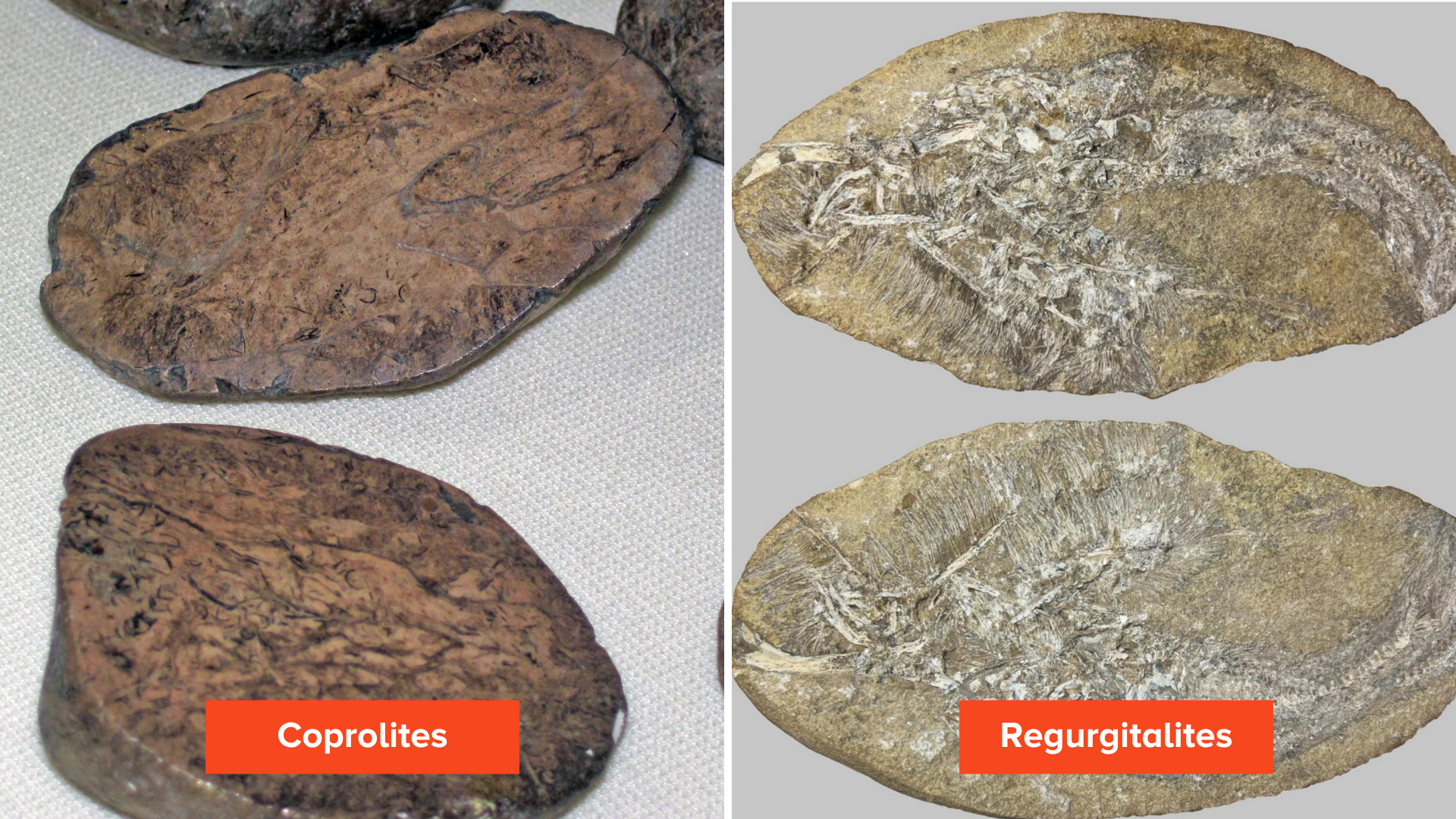
Paleontologists—scientists who study life’s history through fossilized remains—have examined coprolites, or fossilized poop, for nearly 200 years. Unfortunately, coprolites only represent food after it has been broken down and digested by the animal. Regurgitalites, or fossilized vomit, offer a similar record of prehistoric diets as coprolites, but they provide deeper insights because they haven’t been digested.
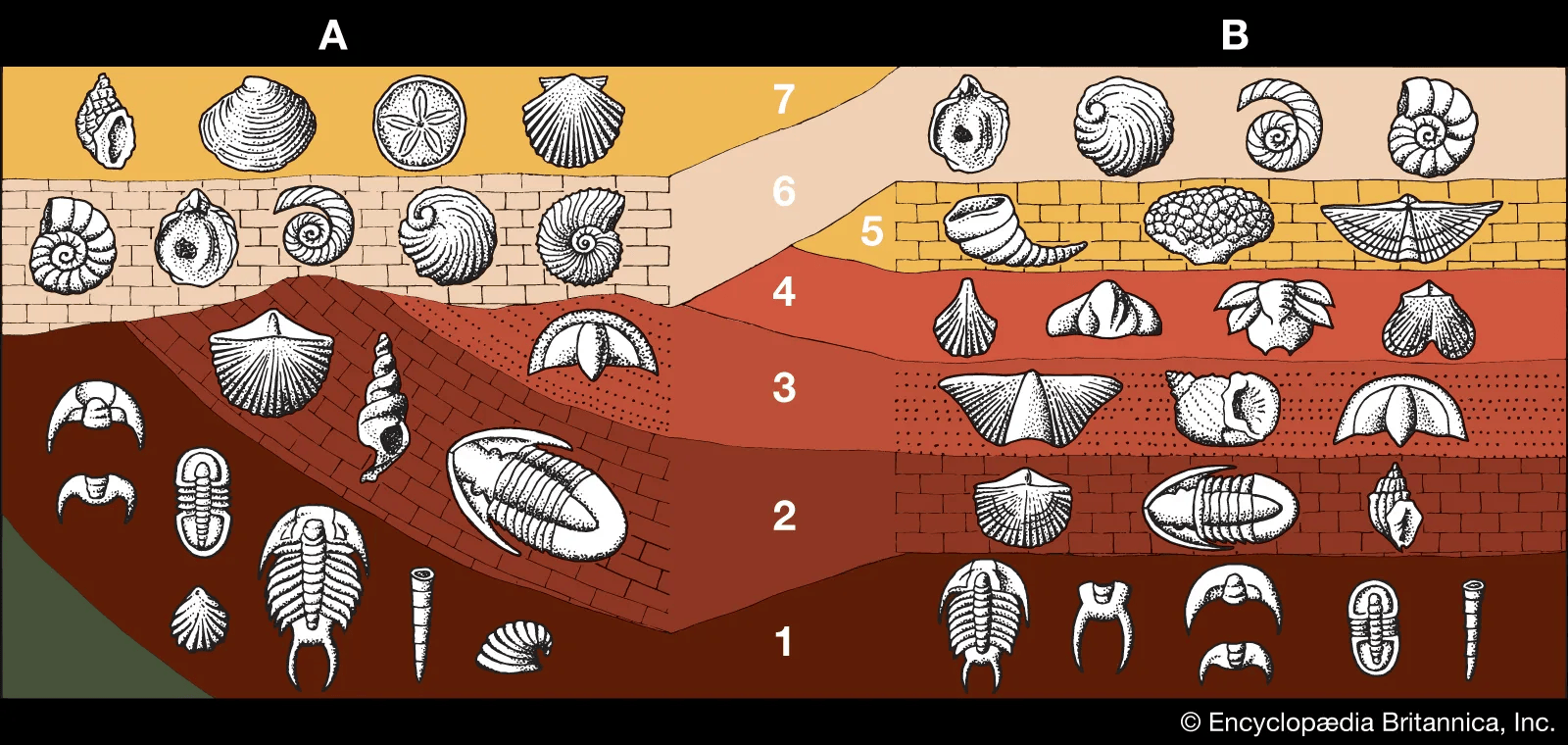
Think about a modern-day landfill. The most recent garbage is on the top of the pile, while trash from 20 years ago is buried further down. The layers might show evidence of what people ate, read, or wore at different times. If a machine mixed up the layers, it would make it harder to figure out when things were discarded.
The same is true for ancient fossil beds. Layers at prehistoric excavation sites can represent hundreds or even thousands of years. When layers become mixed, paleontologists may discover fossils from different time periods in a single layer.
Recently, scientists identified a regurgitalite from Dimetrodon, a predator that lived roughly 290 million years ago, before dinosaurs. Within the fossilized vomit, there were three distinct bones from three different animals. It showed that all the animals lived in the same place at the same time. Regurgitalites give scientists a new tool to understand when different species coexisted over time. It’s a major breakthrough!
Think Big!
After you’ve watched the video, think about these questions:
- Why is it important for researchers to have a definitive understanding of the timeline of coexistence with prehistoric animals?
- In what ways do coprolites (fossilized poop) and regurgitalites (fossilized vomit) tell the same story for scientists? In what ways do they tell different stories?
- Scientists just realized the significance of fossilized vomit. What other types of fossilized things do you think scientists may have missed while focused on bones?
Sample answers provided in the Teacher’s Guide of the worksheet for this resource.
Meet the scientist
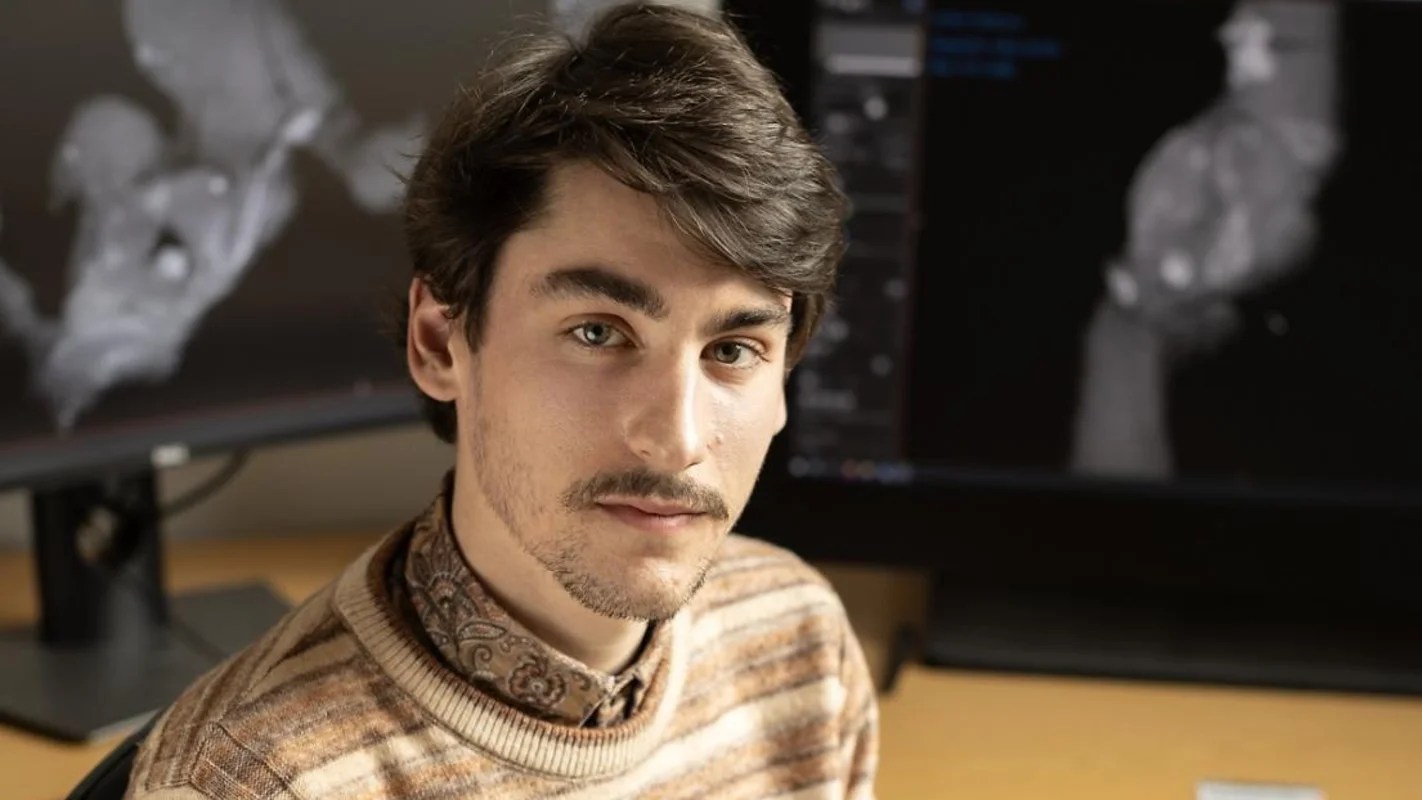
Arnaud Rebillard is a specialist in the field of bromalites, fossils representing (un)digested remains that have subsequently become petrified. “I am fascinated by the rarity of this material—regurgitalites in particular are extremely uncommon. They allow us to study so many interactions between animals of that time. […] Through this research, we can reconstruct and understand an entire ecosystem.”
Keep Learning!
- Explore the science of dinosaur poo—coprolites. Listen to “Dinosaurs’ Secrets Might Be In Their Fossilized Poop” then get hands on with “Fossil Fecal Forensics” activity.
- Read “Mining For The Phosphorus Locked In Ancient Poop,” excerpt from a previous SciFri Book Club selection, “The Devil’s Element: Phosphorous and a World Out of Balance.”
- Listen to the original podcast episode about fossilized vomit, “Earth’s Ancient Hydrogen, And Fossilized Vomit.”
NGSS standards
- LS1.B: Growth and Development of Organisms – MS-LS1-5 – Construct a scientific explanation based on evidence for how environmental and genetic factors influence the growth of organisms.
- LS3.A: Inheritance of Traits – MS-LS4-3 – Analyze displays of pictorial data to compare patterns of similarities in the embryological development across multiple species to identify relationships not evident in the fully formed anatomy.
- LS3.B: Variation of Traits – MS-LS3-1 – Develop and use a model to describe why structural changes to genes (mutations) located on chromosomes may affect proteins and may result in harmful, beneficial, or neutral effects to the structure and function of the organism.
Sign up for our educational newsletters
Get great educational resources for your classroom, home, and beyond to your inbox each month.
K-12 Education Beyond The Classroom
Credits:
Lesson by Svea Andersen
Copyediting by Erica Williams
Developmental editing by Sandy Roberts
Digital production by Sandy Roberts
Featured artwork for the activity by Fai Kosciolek
Host Flora Lichtman
Producers Charles Bergquist and John Dankosky
Educator's Toolbox
Meet the Writer
About Svea Anderson
Svea Anderson is a twenty-year veteran educator who embraces challenges and consistently seeks opportunities for new learning.