The Best Of Science Friday, 2025
From fish to Phish, Science Friday has had a big year. Our staff chose their favorite stories and projects from 2025.
 This year got off to an exciting start as we welcomed Flora Lichtman back to Science Friday as host of the show, alongside Ira. From day one, she’s delighted listeners with weird, wonderful, eye-opening stories, including an award-winning audio series about scientists who took big risks, “The Leap.”
As science came under attack in 2025, we took care to bring clarity and nuance to topics that had been the subject of misinformation, like mental health, food dyes, and vaccines. We had a lot of fun, too, and satisfied our appetite for whimsey with stories about ancient tattoos, a hideous fish, and the way algorithms shape Gen Alpha slang. Along the way, our programming has evolved to put listener voices center stage: whether to ask questions, share knowledge, or have a little fun.
Thanks for joining us for another year of learning about science! If you appreciate our programming, please consider donating to Science Friday. We couldn’t make the show that we do without your support. All donations will be matched $1 for $1 through the end of the year!
Produced by Dee Peterschmidt
Selected by Annie Nero
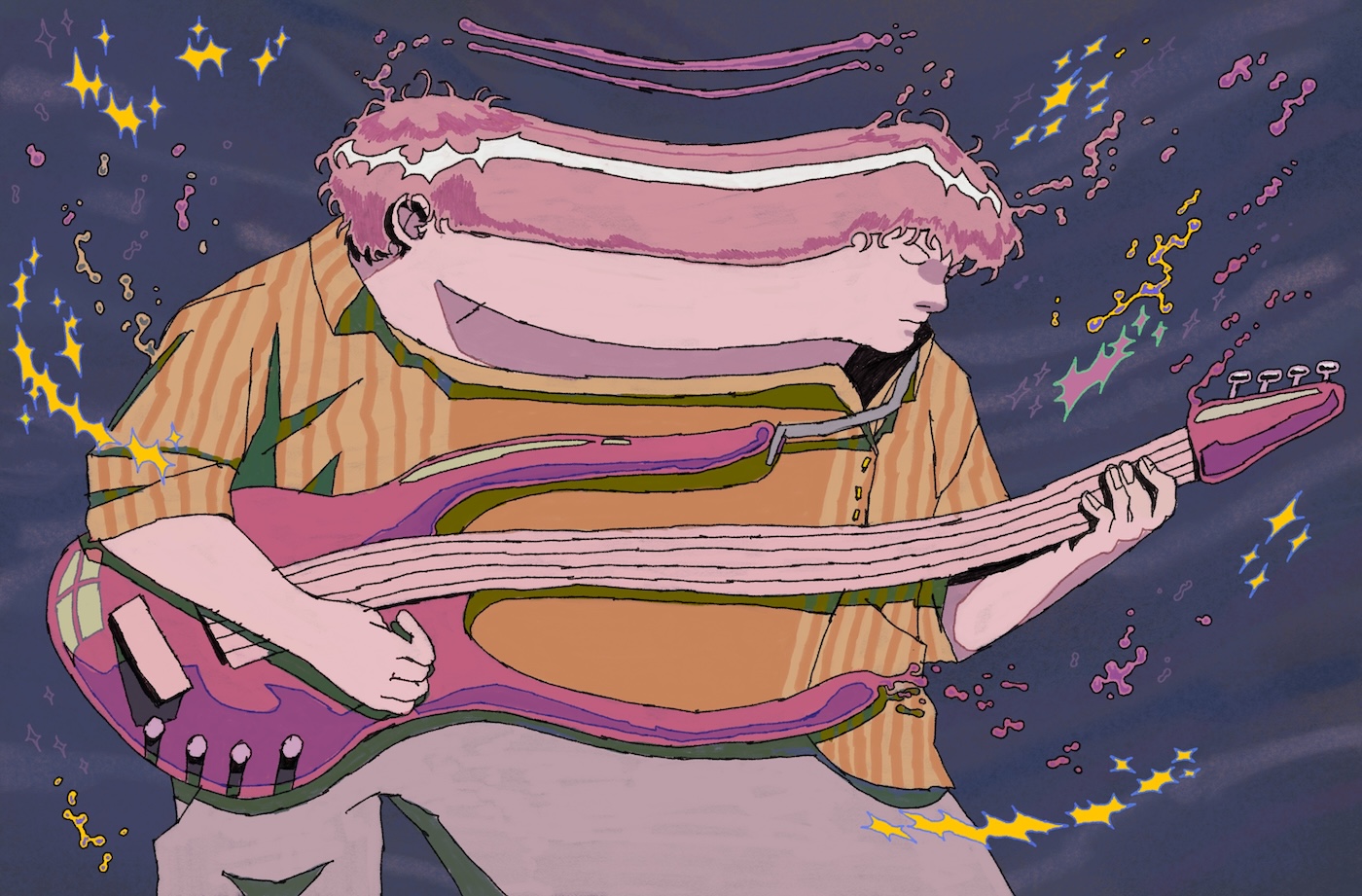
This was such a fun listen. I can’t say that I ever thought about the science behind becoming “one” with the music…or the flow state, as it’s called! But hearing Mike Gordon describe entering this state with his bandmates was a real treat, and understanding what an artist’s brainwaves are doing during the flow is fascinating.
 Remembering Primatologist Jane Goodall
Produced by Charles Bergquist
Selected by Danielle Johnson
So many of us have fond memories of Dr. Jane Goodall and how her work reshaped both our understanding of evolution and the way we think about conservation. She was a giant, and I was deeply saddened by her passing earlier this year. I was touched by Science Friday’s tribute to her, sharing Ira’s memories, and honoring her incredible legacy. Her life was led by curiosity and wonder, two things that also inspire much of our work, and the lives of our listeners.
Produced by Shoshannah Buxbaum
Selected by Dee Peterschmidt
If you’re on Tiktok, you might’ve seen videos with tips to help you recognize if you have ADHD. These videos might be helpful for some, but how accurate are they really? Clinical psychologists wondered this too, so they analyzed the 100 most-viewed Tiktoks about ADHD, and found that about half were inaccurate. We received some amazing voicemails from listeners detailing their complicated feelings about these videos, and how they led some to get officially diagnosed. It’s a nuanced topic, and I love how my colleagues Shoshannah and Flora handled it.
 A Trailblazing Geneticist Reflects On Her Life And Work
Produced by Charles Bergquist
Selected by Emma Gometz
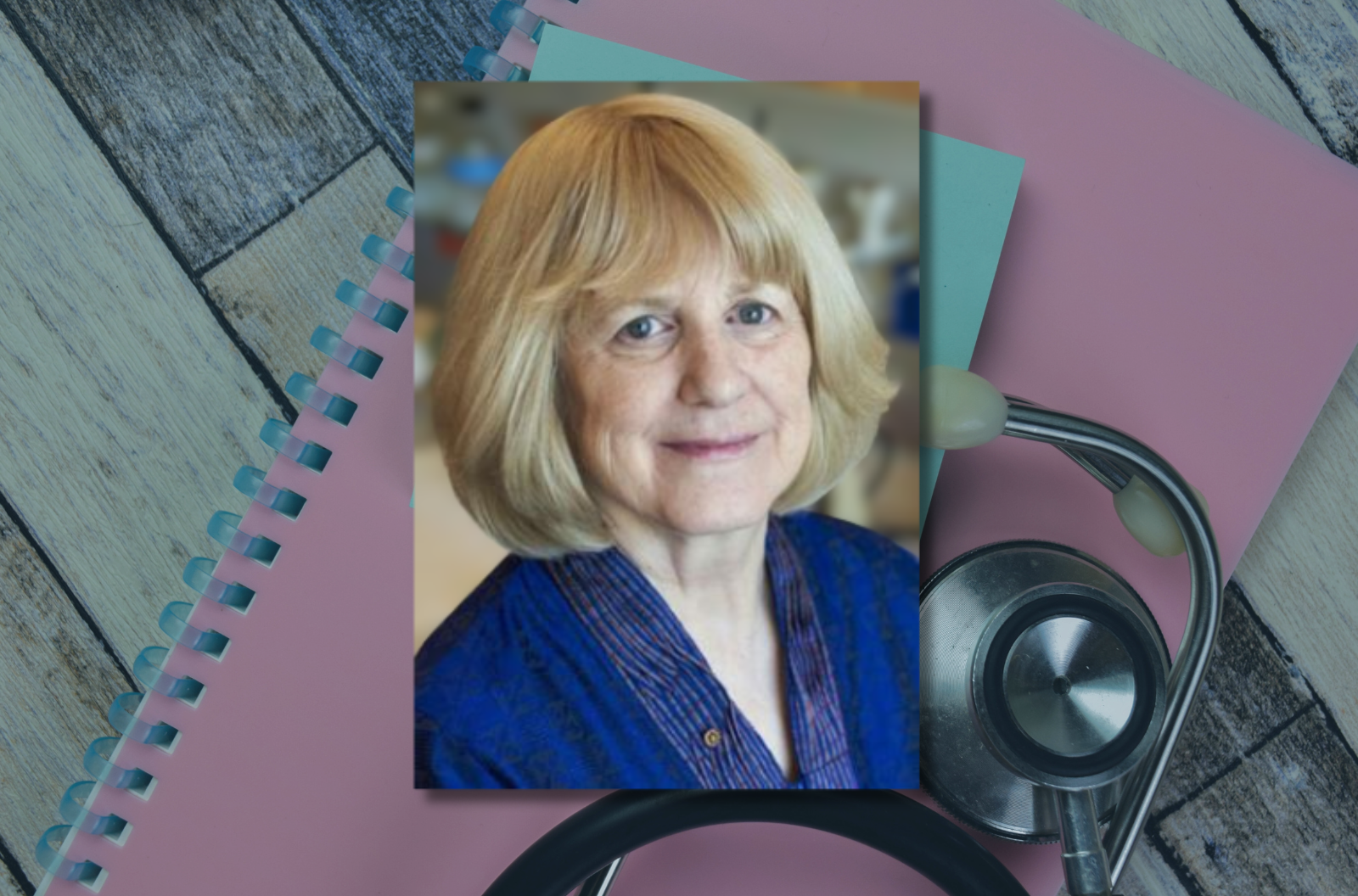
This story had me on the edge of my seat—I learned so much about how genetic research has changed over the years of Dr. King’s career, and how she felt while making game-changing discoveries. It’s a story that’s captivating on both scientific and emotional fronts.
Produced by Charles Bergquist
Selected by Flora Lichtman
This is the kind of conversation you will not hear anywhere else. Nerdy astrophysics meets the meaning of life. Aka IraCore!
Produced by Kathleen Davis
Selected by Ira Flatow
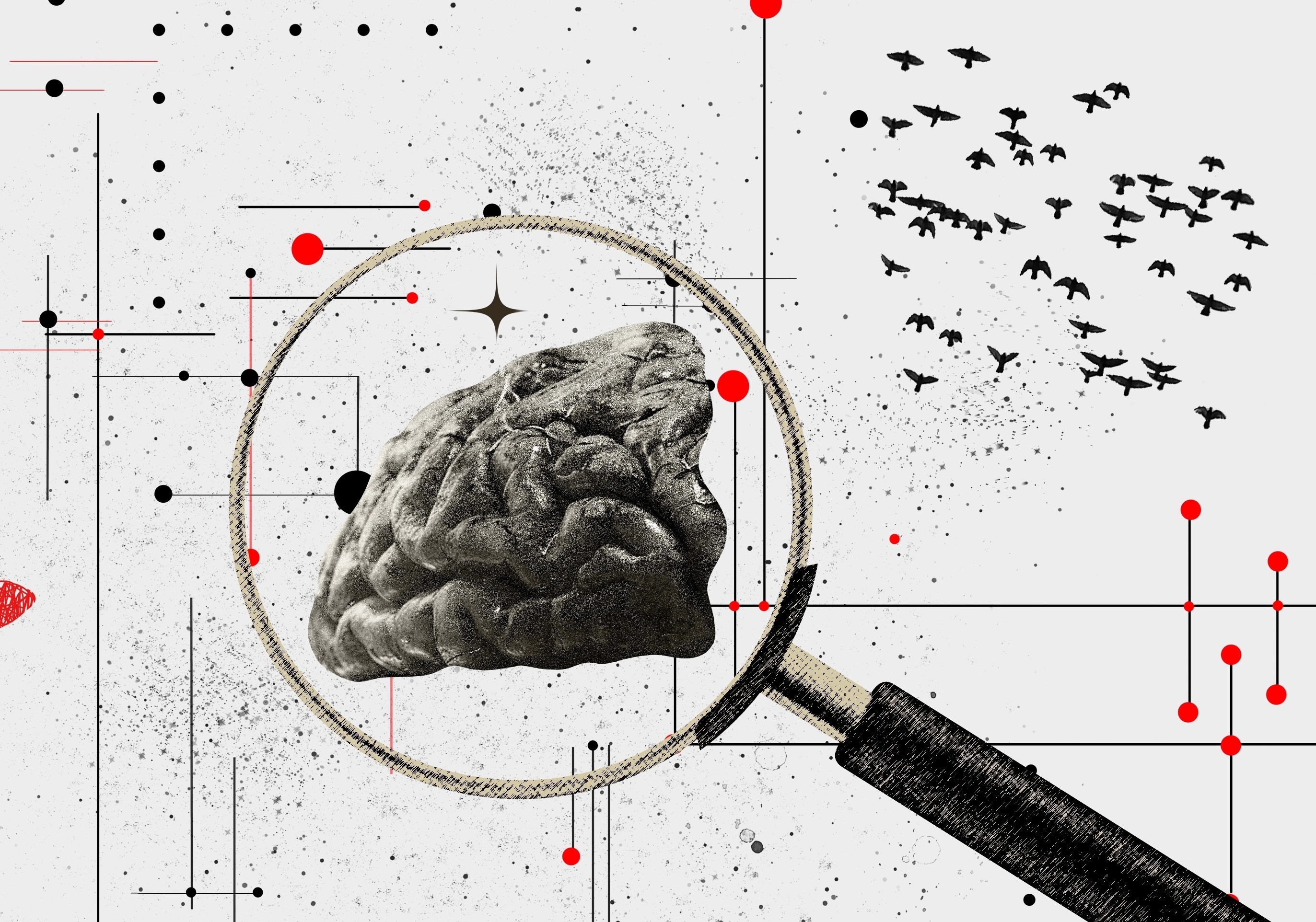
Sometimes simple solutions stare us in the face and we don’t see them. This story makes the case that not only does lithium occur naturally in the brain, but experiments with mice show that a deficiency in lithium causes dementia. Could all those people who take lithium medicinally be actually lowering their risk of dementia?
Produced by Dee Peterschmidt
Selected by Jaci Hirschfeld
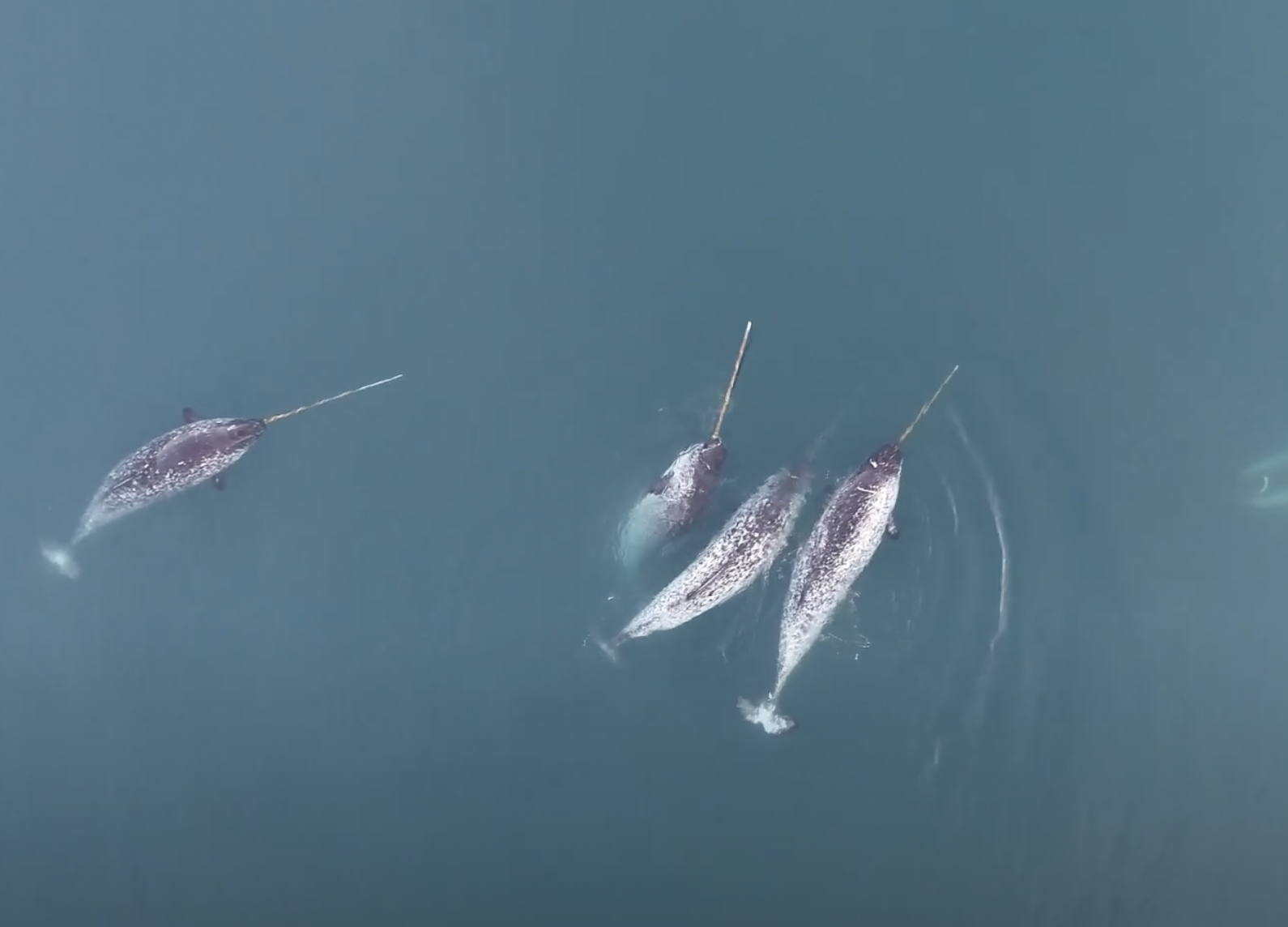
First off, narwhals are amazing. Secondly, who doesn’t want to hear 12 minutes of Greg O’Corry-Crowe and his dreamy Irish brogue talking with such love about these mysterious sea unicorns? Just loved this segment, it was such fun!
Produced by Dee Peterschmidt & Rasha Aridi
Selected by Jason Rosenberg
Days after the NIH released a since-retracted warning against the use of Tylenol in pregnancy as a potential cause for autism among children, Flora sat down with an expert who has a background in the complicated and nuanced science that served as a basis for the administration’s evidence of threats. I think this is the best of what we do at Science Friday, distilling complex and endlessly nuanced science into a story that is equally grounded in the facts and deep human experiences.

Produced by Shoshannah Buxbaum
Selected by John Dankosky
The best possible use of audio as a storytelling method. Flora plays along with a death metal vocalist, who uses his voice in remarkable ways. We got tons of great feedback from audiences, which is not surprising. About the most fun 12 minutes in radio (or podcast)! Plus, this was a truly multimedia effort, which started as a fascinating digital story by Christina Couch.
Produced by Shoshannah Buxbaum
Selected by Jordan Smoczyk
Menopause research being younger than the average person experiencing it is sadly unsurprising. This story gives some hope that there are dedicated researchers working to make up for lost time and to help us understand this basic biologic process that affects half the population. I was especially happy to learn that this research is leading to policy change. More than a dozen states are considering legislation related to menopause, from increasing training for healthcare providers in menopause science, to workplace accommodations.
Written by Emma Gometz
Selected by Kathleen Davis
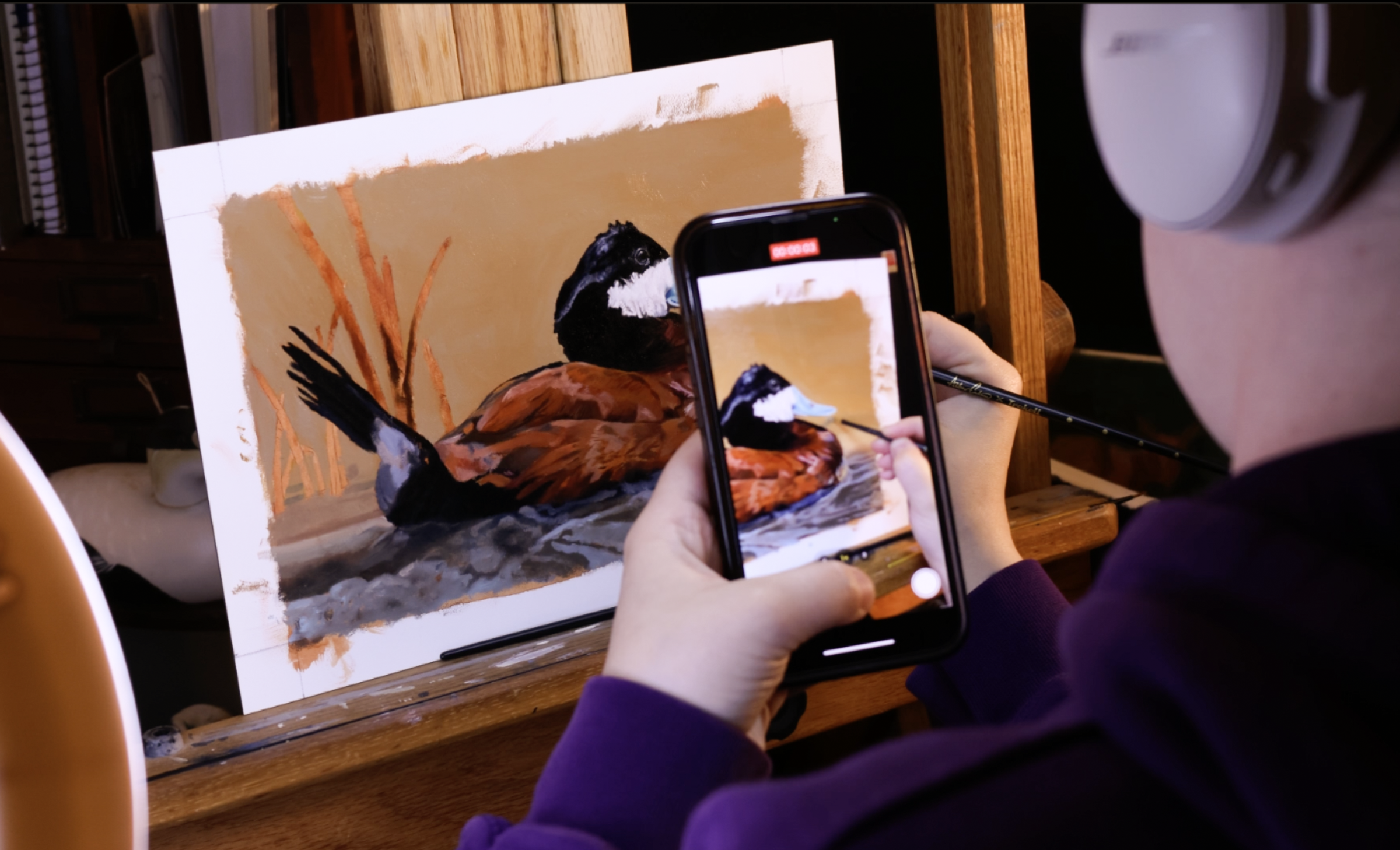
Nerdy niches are the best part of the internet, so when the federal Duck Stamp Competition started gaining attention outside of the painters involved, Emma was on top of making sure SciFri was there to document it. What resulted was a lovely, human-centered story about artists who care about nature, conservation, and a bit of healthy competition.
Produced by Dee Peterschmidt
Selected by Rasha Aridi
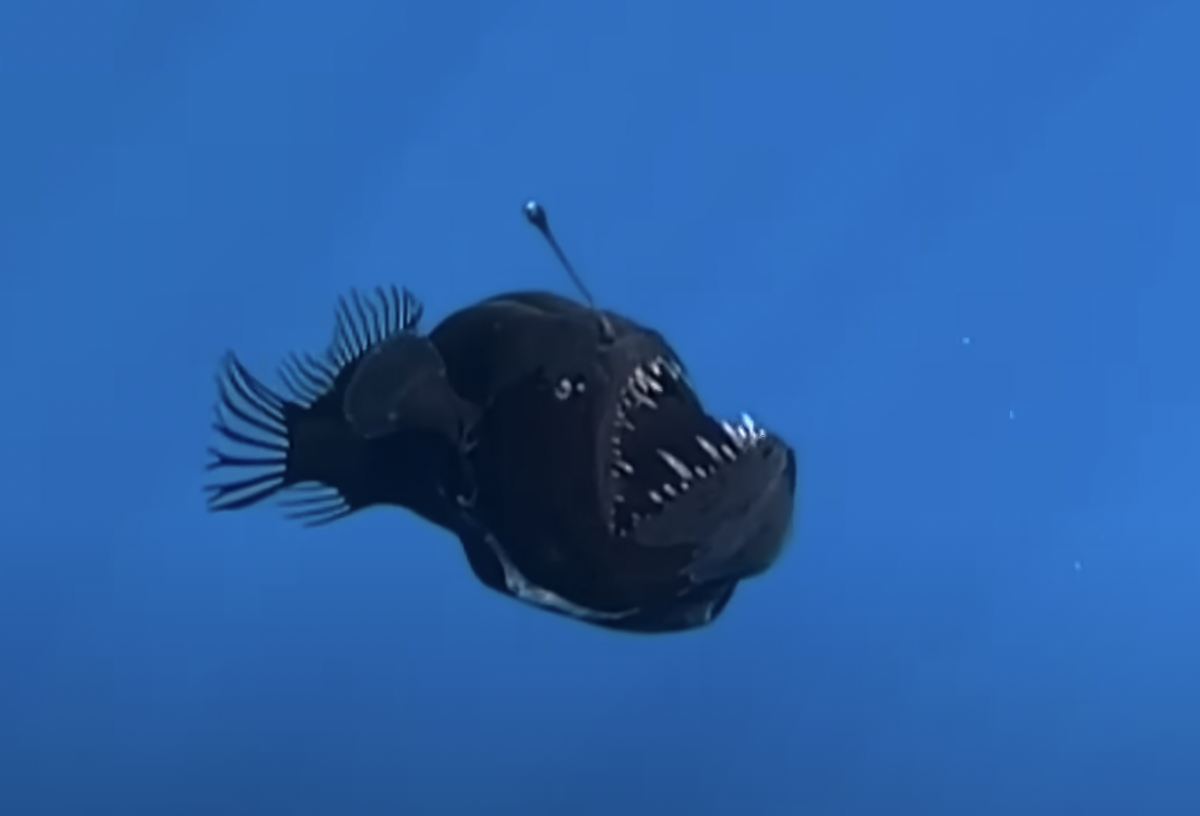
Remember when a video of a toothy, beady-eyed anglerfish went viral earlier this year? The deep-sea dweller had somehow made its way to the surface to bask in the sun for the first (and last) time, which was scientificially strange and also kinda heartwarming. My colleagues Dee and Flora interviewed a very fun ichthyologist who shared his take on the fish’s virality and why anglerfish are as fascinating as they are ugly (affectionately, of course).
Written by Emma Gometz
Selected by Robin Kazmier
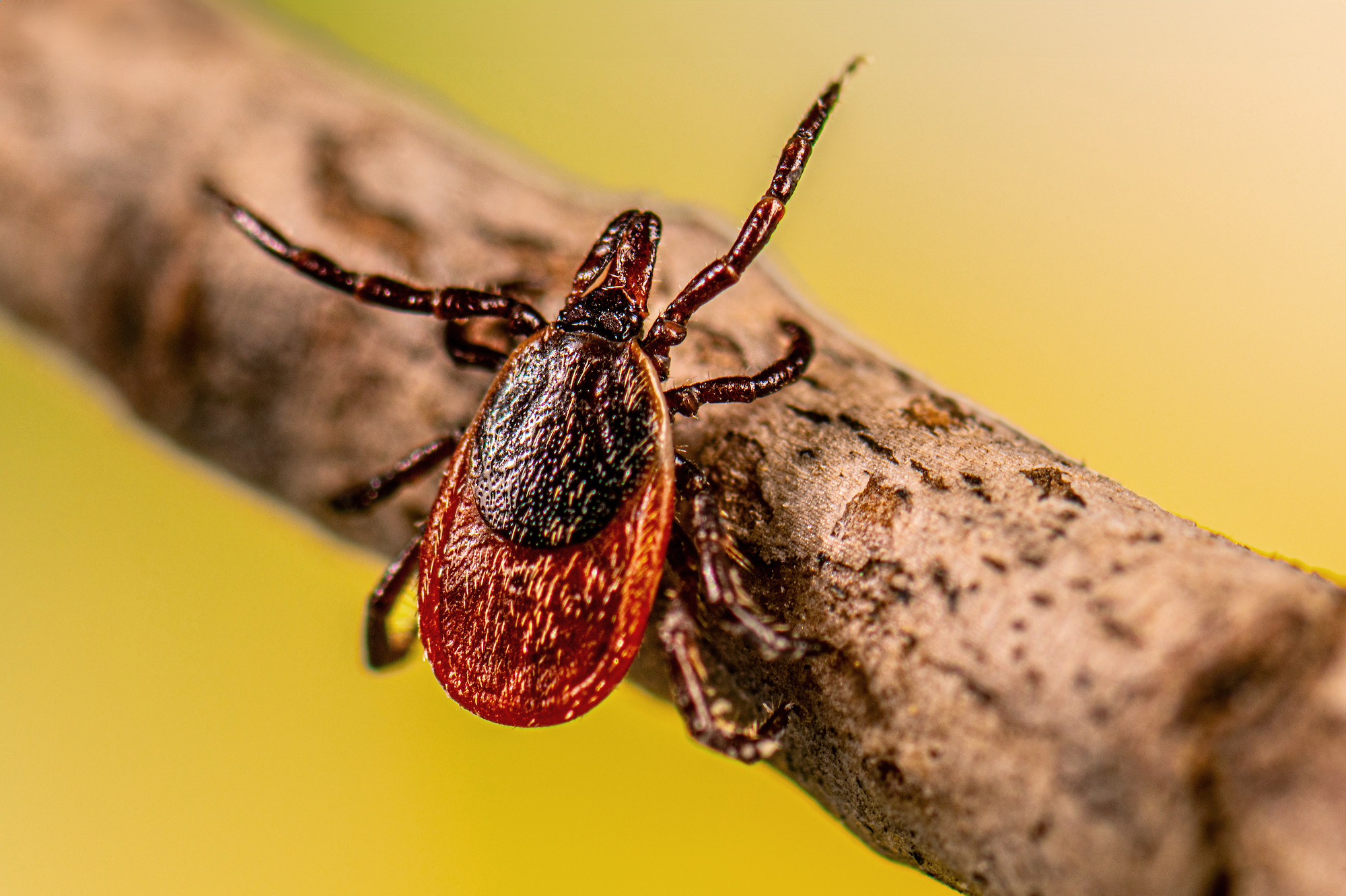
The way this story takes you inside a tick bite, with a play-by-play of what’s happening at the molecular level, makes it easy to understand why ticks are such powerful disease vectors—and how those same biological mechanisms could be harnessed for a vaccine. I was blown away to learn that after repeated bites, some people develop such a resistance that ticks can’t even latch onto them! Five months later, I’m still telling friends about proteins in tick saliva.
Produced by Sandy Roberts
Selected by Sandy Roberts
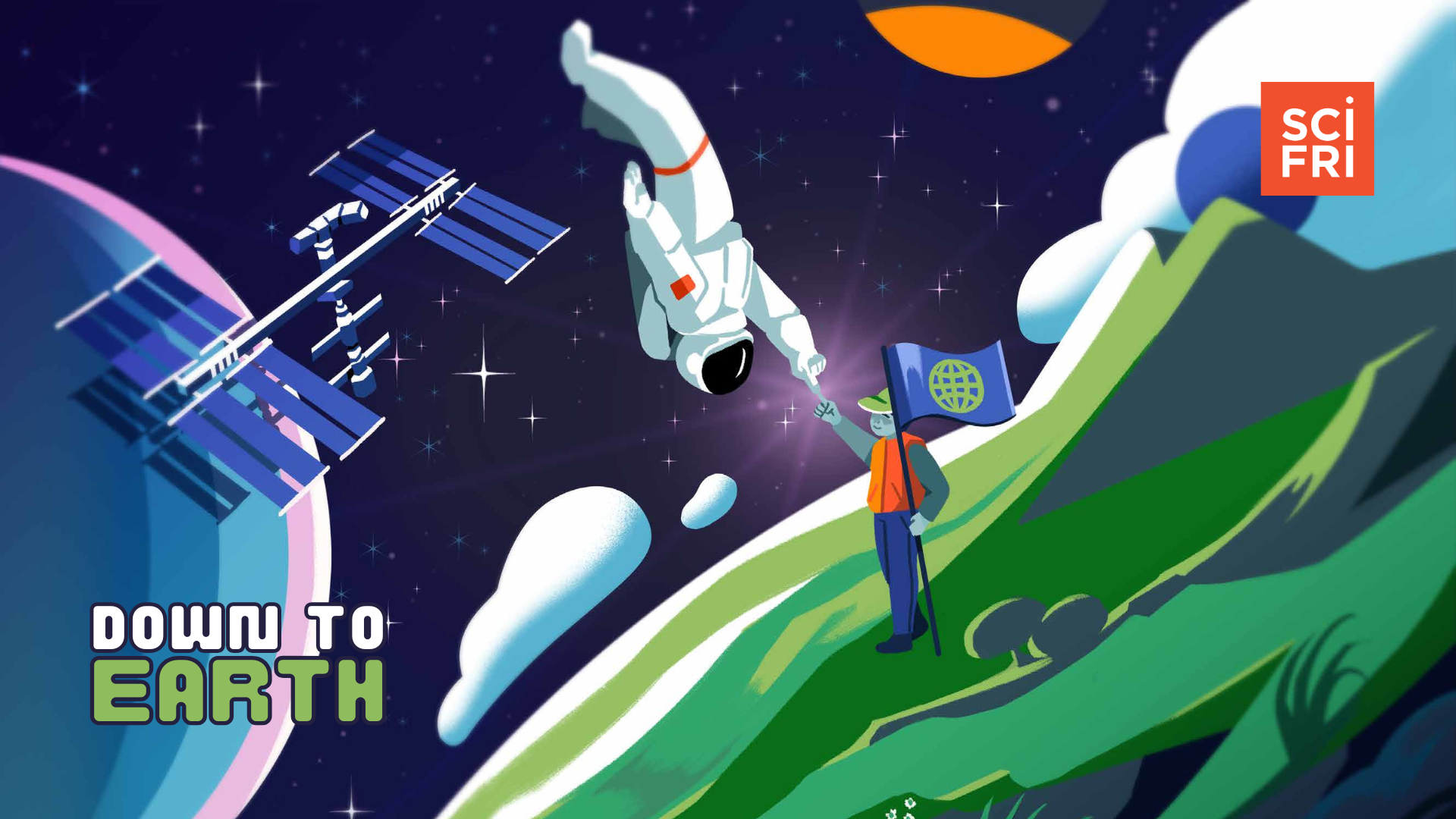
Science Friday and 20k+ of our friends connected live with astronauts on the ISS as they answered questions submitted by learners from across the country. Then we followed that up with a full day of livestreamed Q&As with astronauts and space experts. It was one of the largest educational engagement activities we’ve hosted and the event encouraged lots of future scientists to shoot for the stars.
Produced by Charles Bergquist
Selected by Shoshannah Buxbaum
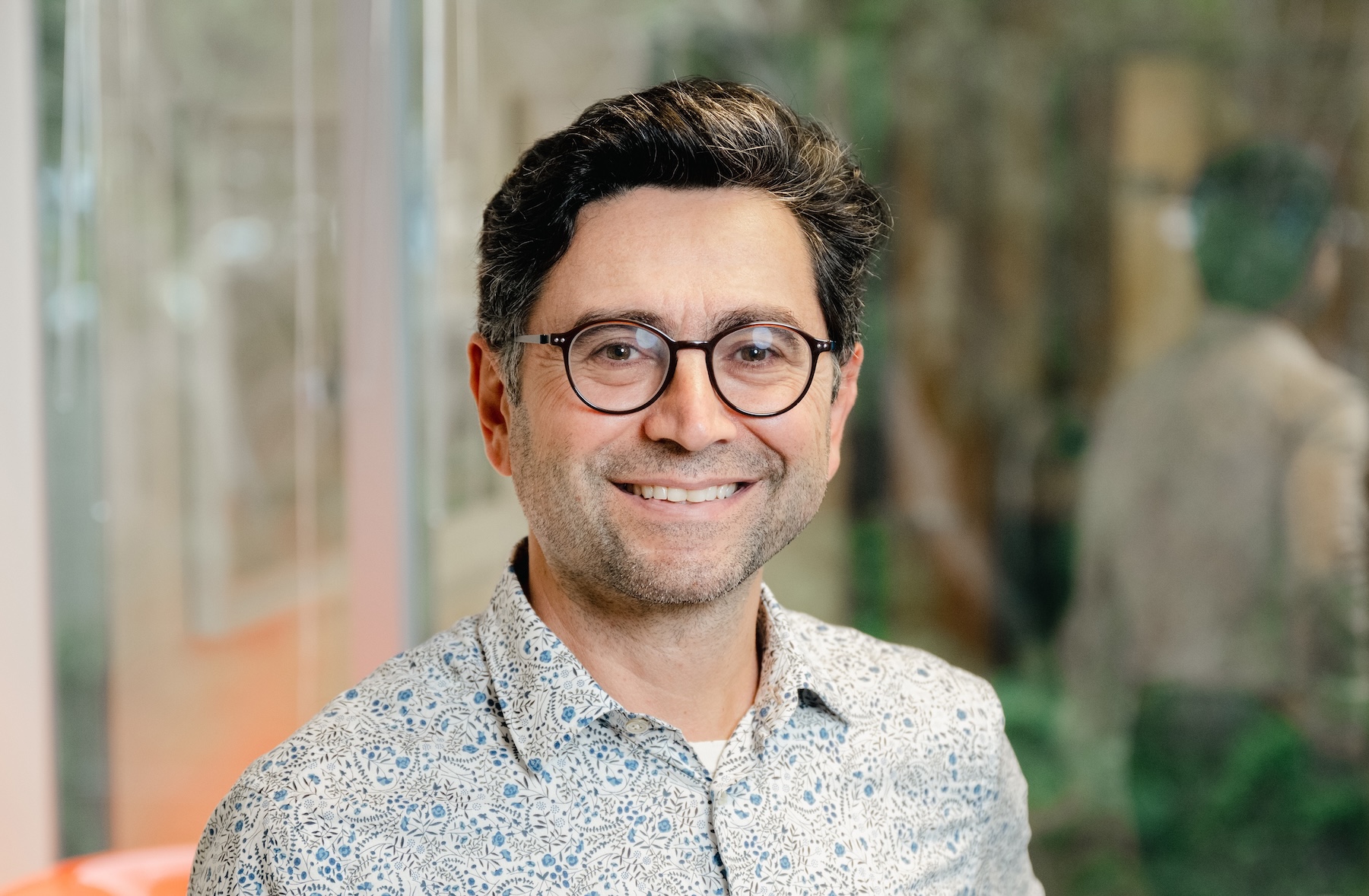
This interview hosted by Flora and produced by Charles with Nobel Prize-winner Ardem Patapoutian was a charming and thoughtful exploration of what it means to chose a career in science. The interview was full of surprising moments, including Ardem’s stint writing horoscopes for a small local paper, as well as the science of touch and proprioception. A fascinating listen from beginning to end.
Invest in quality science journalism by making a donation to Science Friday.
Emma Lee Gometz was Science Friday’s Digital Producer of Engagement. They wrote SciFri’s “Science Goes To The Movies” series and are a journalist and illustrator based in Queens, NY.