2025’s Best Science Books For Kids
Kid lit experts weigh in on some of the year’s best science titles. Plus, what to look for when choosing a book for the child in your life.
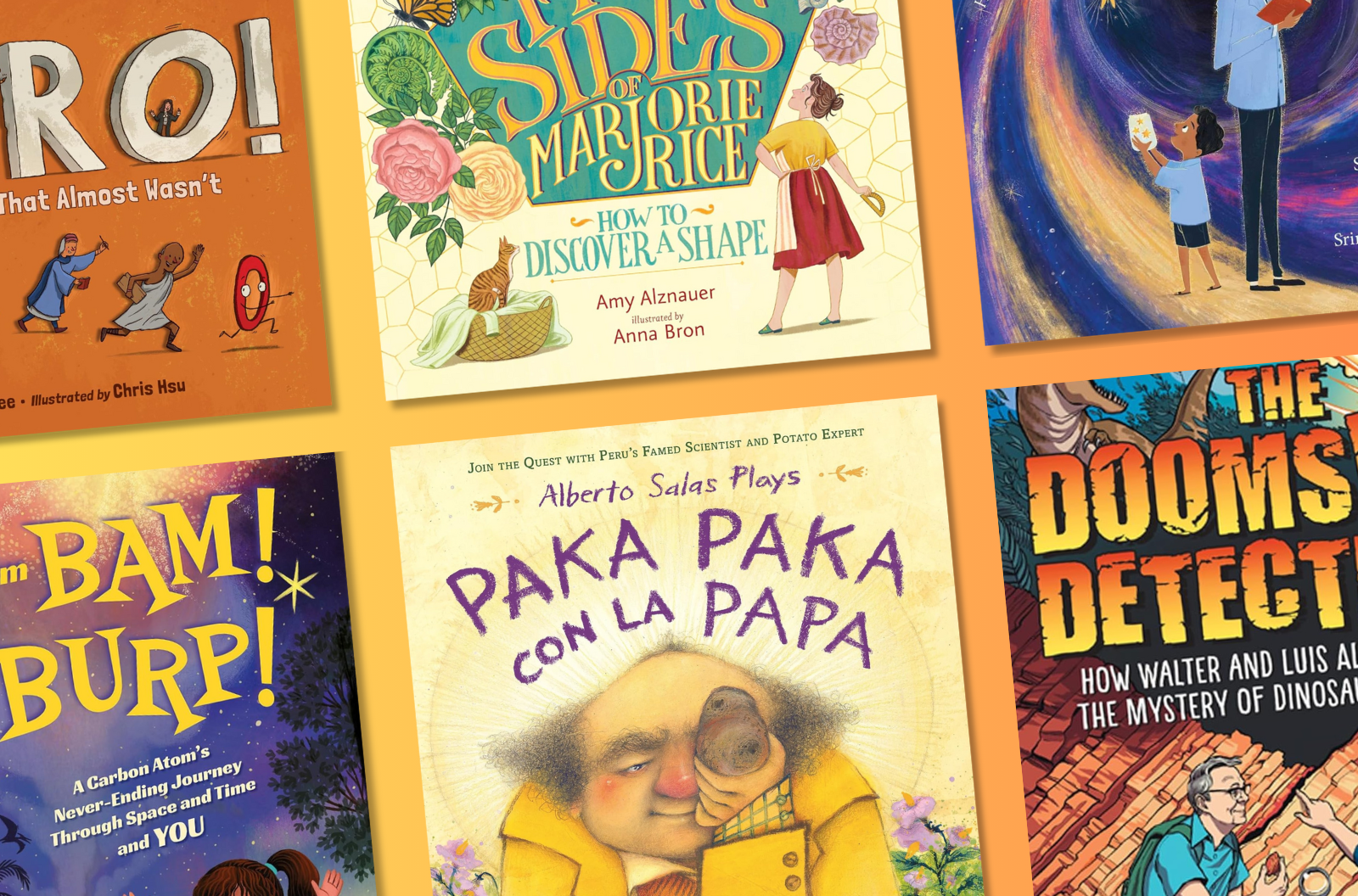 Are you hoping to inspire a young reader in your life with the gift of a great science book this season but aren’t sure where to start? Read on for tips on how to select the right book, plus recommendations from kid lit experts Mahnaz Dar and Jennifer Swanson.
First things first: What kind of reader are you shopping for? If you have a reader that can list 35 different types of dinosaurs, you’re likely looking for an expository book that will give them amazing facts to share with family and friends. When evaluating potential STEM books, flip to the back and see if the authors cite their sources or provide additional resources.
Story-driven readers may enjoy a biography about a famous scientist or a book that blends information with an entertaining narrative. You might also consider selecting a dynamic duo of books—pairing a fiction and nonfiction read on the same theme to explore a topic from different angles. Don’t pass by the picture books—they aren’t just for young children! Even older readers can be inspired by vibrant, engaging artwork. Look for books that balance text and visuals.
Not sure what your reader likes? Take a trip to the library and see what they gravitate toward. Plus, librarians are often your best resource for recommendations. They can suggest books to suit your young reader’s interests and age level.
Keep reading for our list of fantastic science books for kids, or grab the printable list—with even more ideas—to take with you while shopping or to the library.
When you purchase products through the Bookshop.org links on this page, Science Friday earns a small commission, which helps support our journalism. Want to shop local? Consider shopping with one of our SciFri Book Club Partners
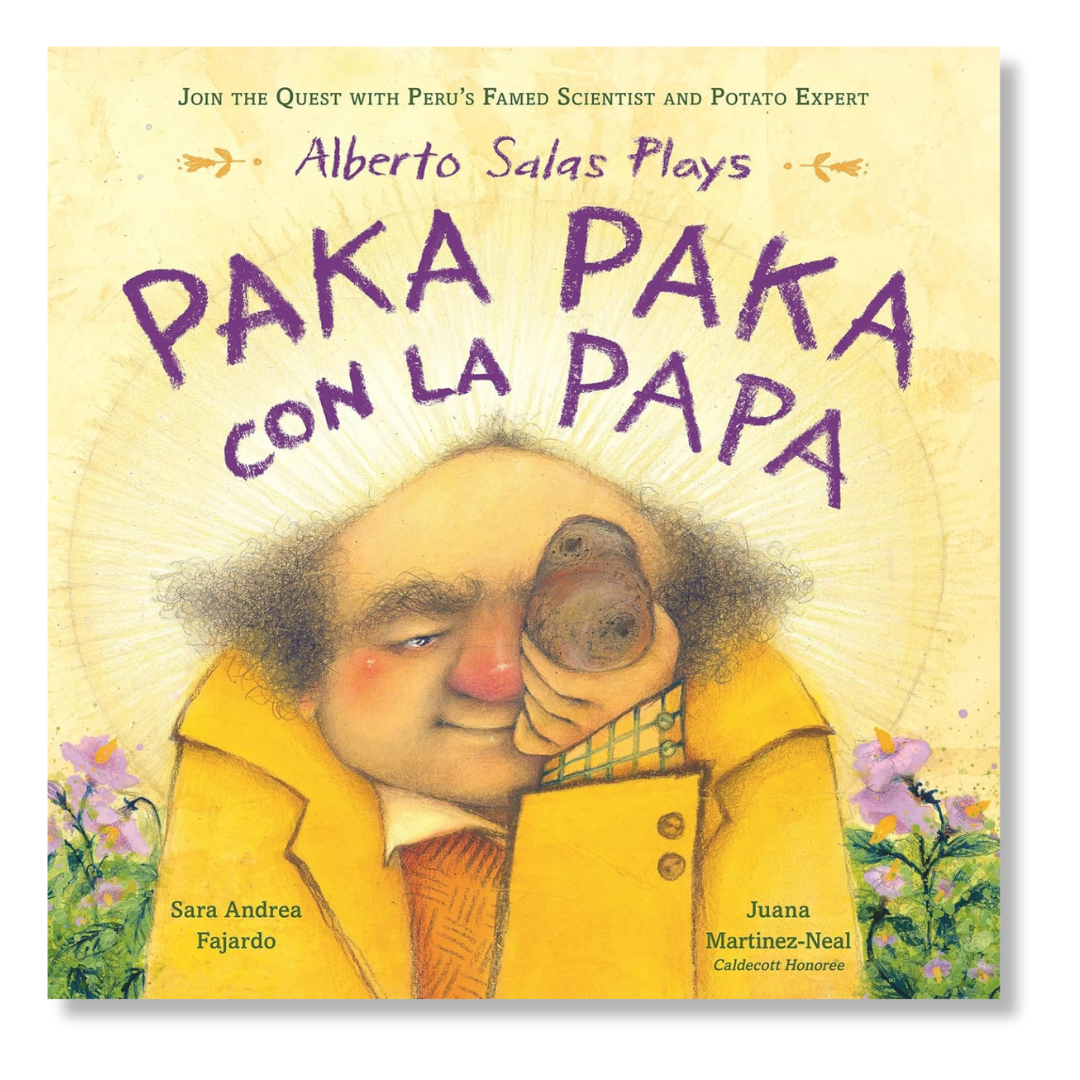 Alberto Salas Plays Paka Paka con la Papa
This one comes highly recommended by both Dar and Swanson. Dar says, “Peruvian agronomist Alberto Salas plays ‘paka paka’ (Quechua for ‘hide-and-seek’) with the potatoes of the Andes, documenting as many species as he can before they’re lost to climate change. A sense of play and whimsy permeates both text and art. Readers will emerge eager to consider the origins of the foods they eat.”
Swanson agrees: “Such a unique way to tell a story! … The lovely illustrations and awesome text take the reader on a really fun journey as they search for potatoes across the world.” Also available in Spanish.
Want a crash course in potato science? Listen to our interview with Dr. Rhett Spear to learn all about these terrific tubers.
Young Readers’ Editor at Kirkus Reviews
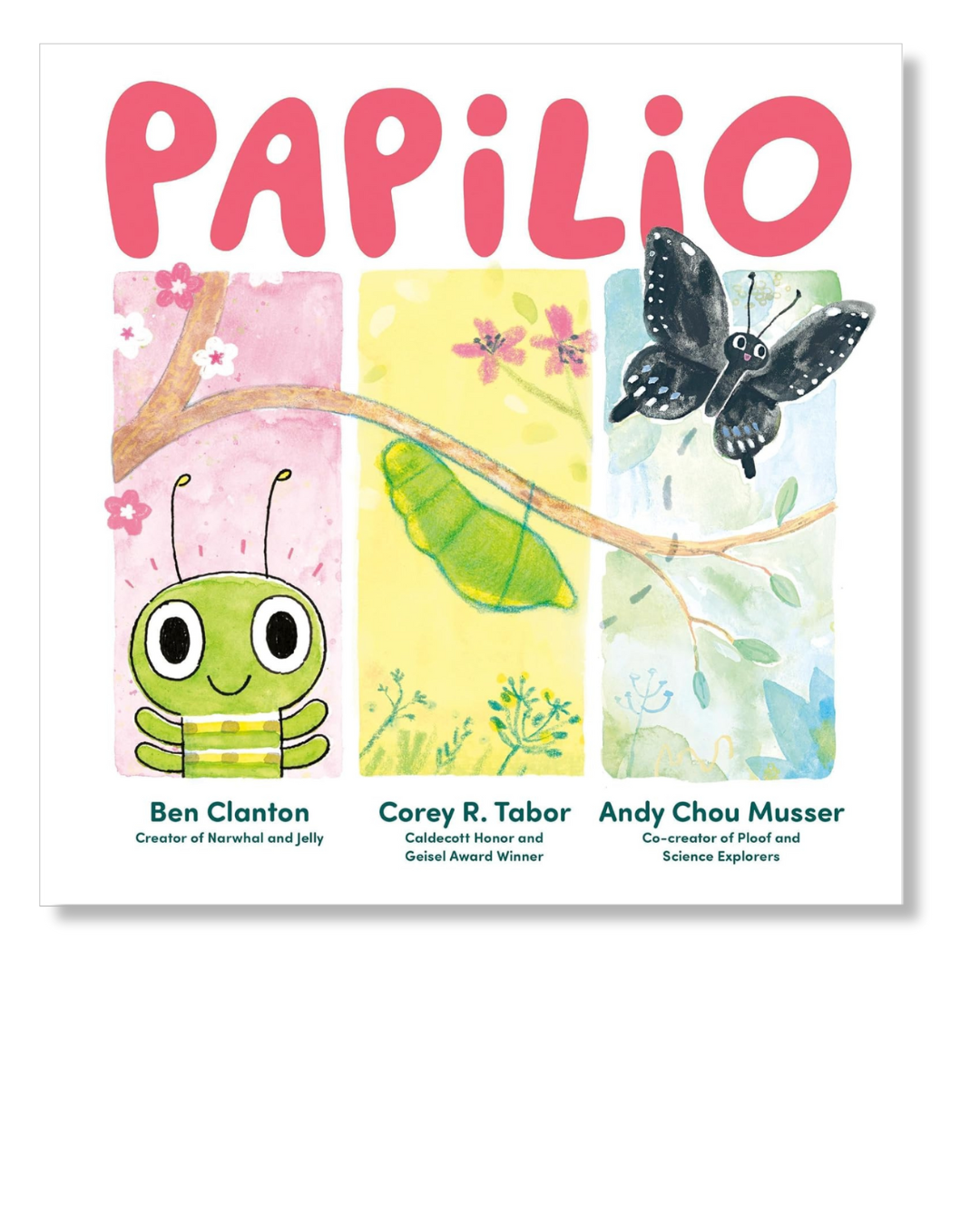 Papilio
“Friends and kid lit creators Clanton, Tabor, and Musser track the life cycle of Papilio polyxenes, or the black swallowtail, from a sweetly smiling caterpillar to a proudly flapping butterfly. In the heavily anthropomorphized cartoons, Papilio emerges as a winsome protagonist (even in the ‘goo’ phase) with an utterly fetching zest for life, while the author/illustrators nevertheless fold in plenty of information.”
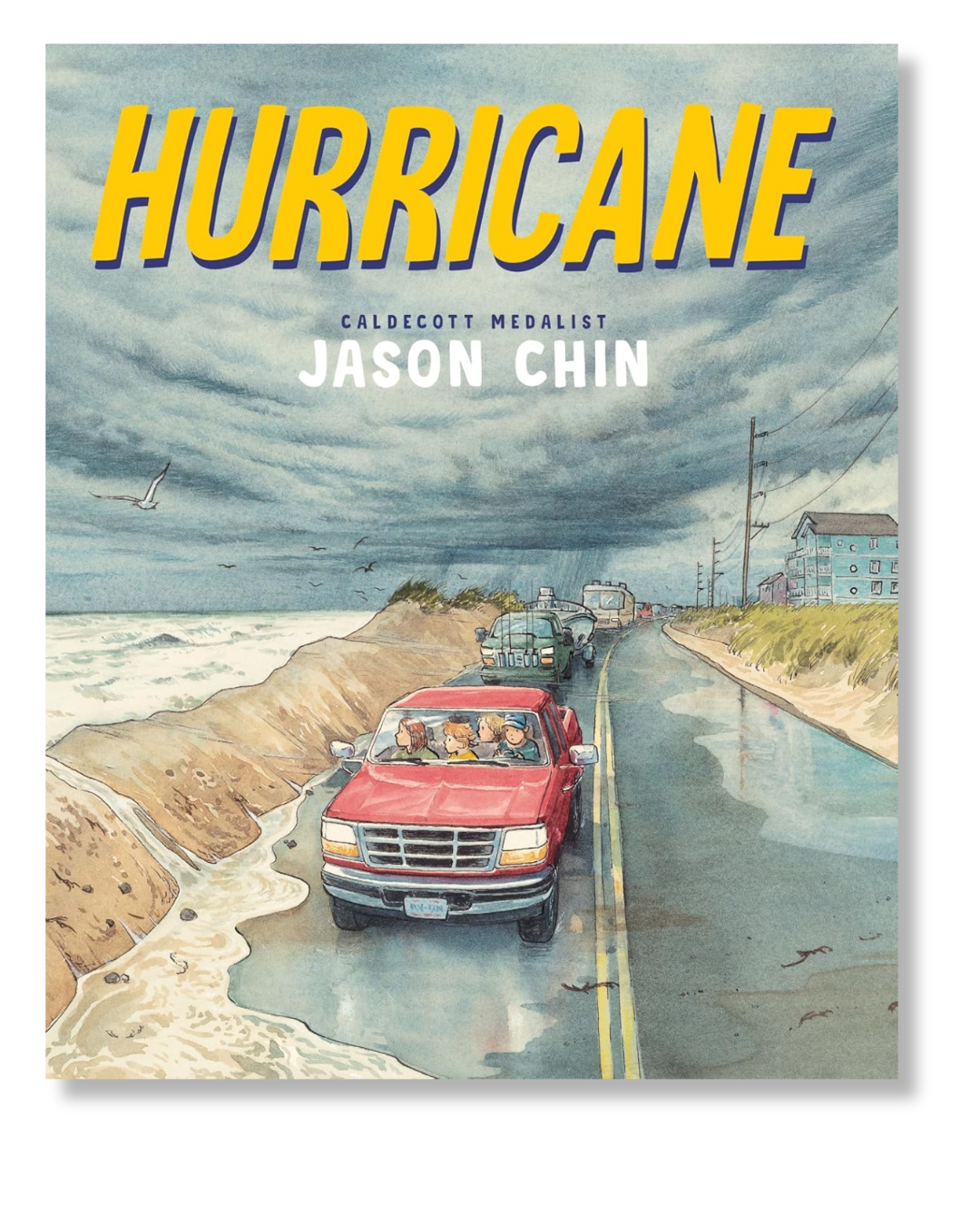 Hurricane
“Tracing the path of a potentially devastating storm heading straight for Cape Hatteras, the Caldecott Medalist blends lucid meteorological explanations with a compelling story as a community comes together to batten down the hatches. As always, Chin makes complex scientific topics feel immediate and relevant.”
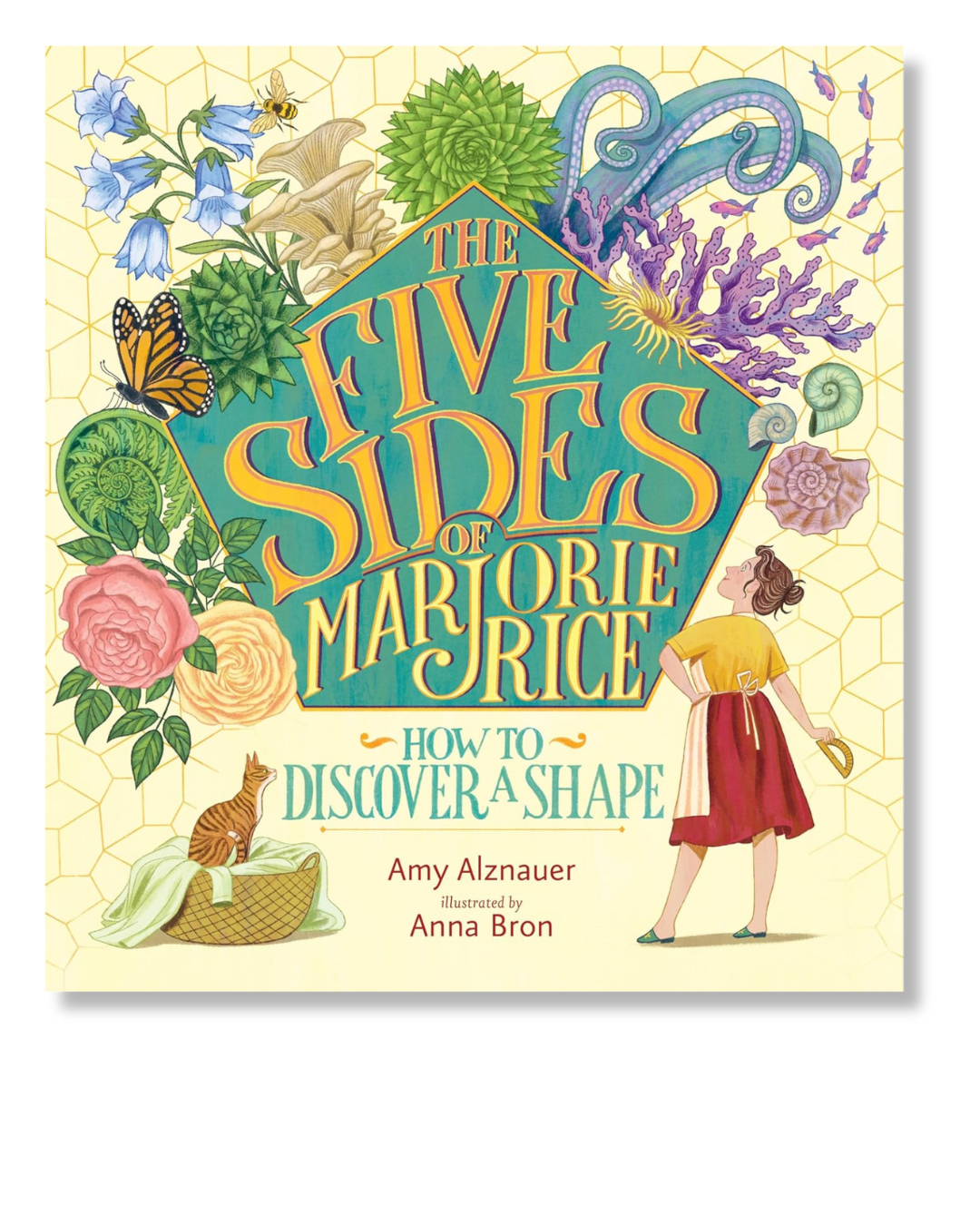 The Five Sides of Marjorie Rice
“What amateur mathematician Marjorie Rice lacked in formal training she made up for with dedication; as an adult, she picked up one of her son’s science magazines and read that only a few pentagons could be tessellated (or tiled together) without gaps. Challenge accepted! Geometric shapes cavort across the pages, evoking Marjorie’s own excitement as she uncovered 15 new pentagons—Alznauer and Bron present both an absorbing exploration of geometry (no mean feat) and a reminder that joy and discovery often go hand in hand.”
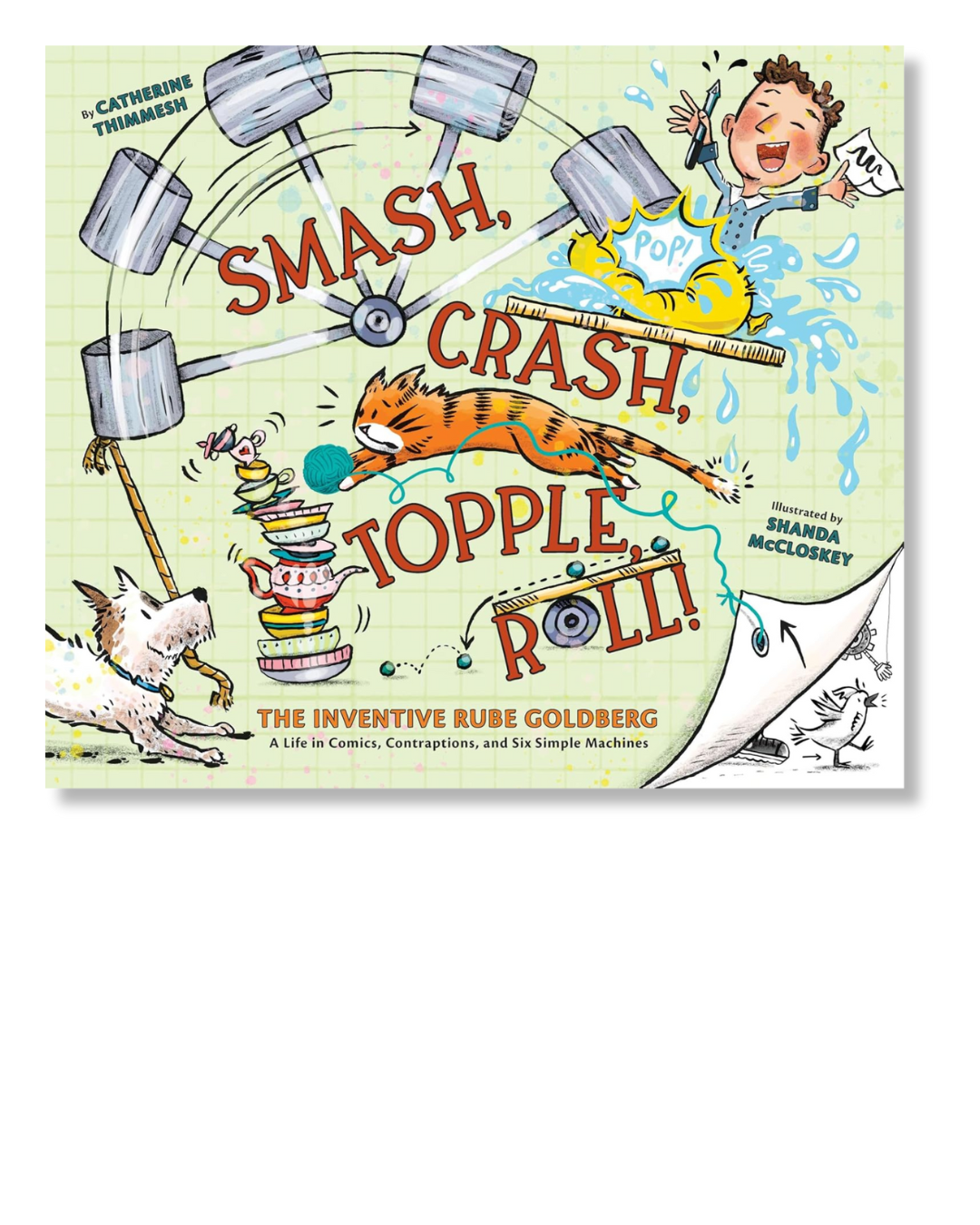 Smash, Crash, Topple, Roll!
“Thimmesh and McCloskey’s work does double-duty as a biography of cartoonist Rube Goldberg and a deep dive into the science behind the elaborate contraptions he depicted. Quirky but deeply informative, this is a tale for budding scientists, aspiring artists, and anyone curious about how the world works.”
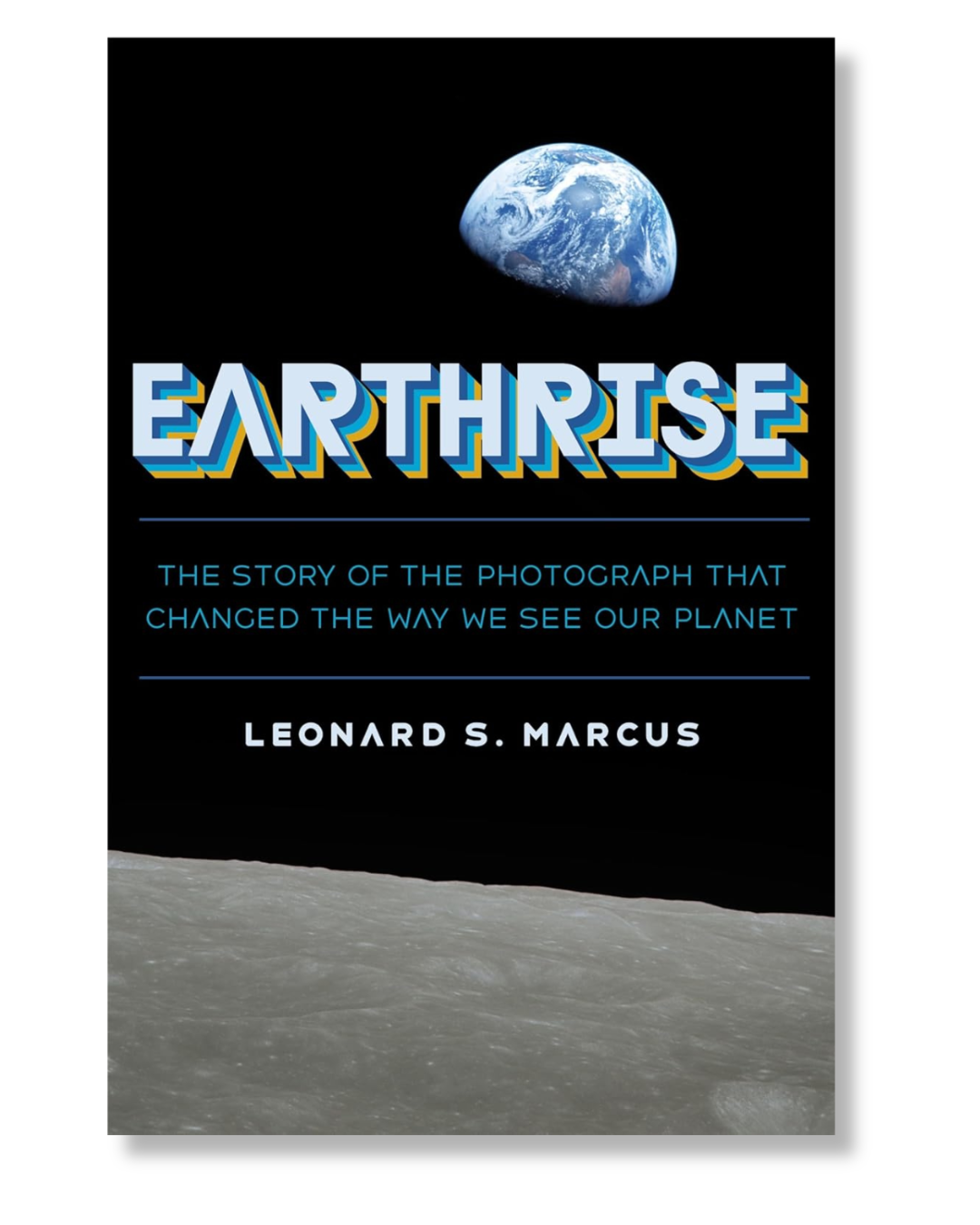 Earthrise
“Kid lit historian Marcus tells the story of the 1968 Apollo 8 mission, which culminated with astronaut Bill Anders snapping a photo of the Earth that soon struck a chord with the public and even became a symbol of the dawning environmental movement. A spellbinding account of the space race, Marcus’ tale also speaks to the power of visual media.”
Other astronauts, like Don Pettit who snapped the millionth photo from the International Space Station, have continued to explore space photography. Discover why art is part of the mission.
Educator, cohost of the “Solve It! For Kids” podcast, and author of The Atlas Obscura Explorer’s Guide to Inventing the World
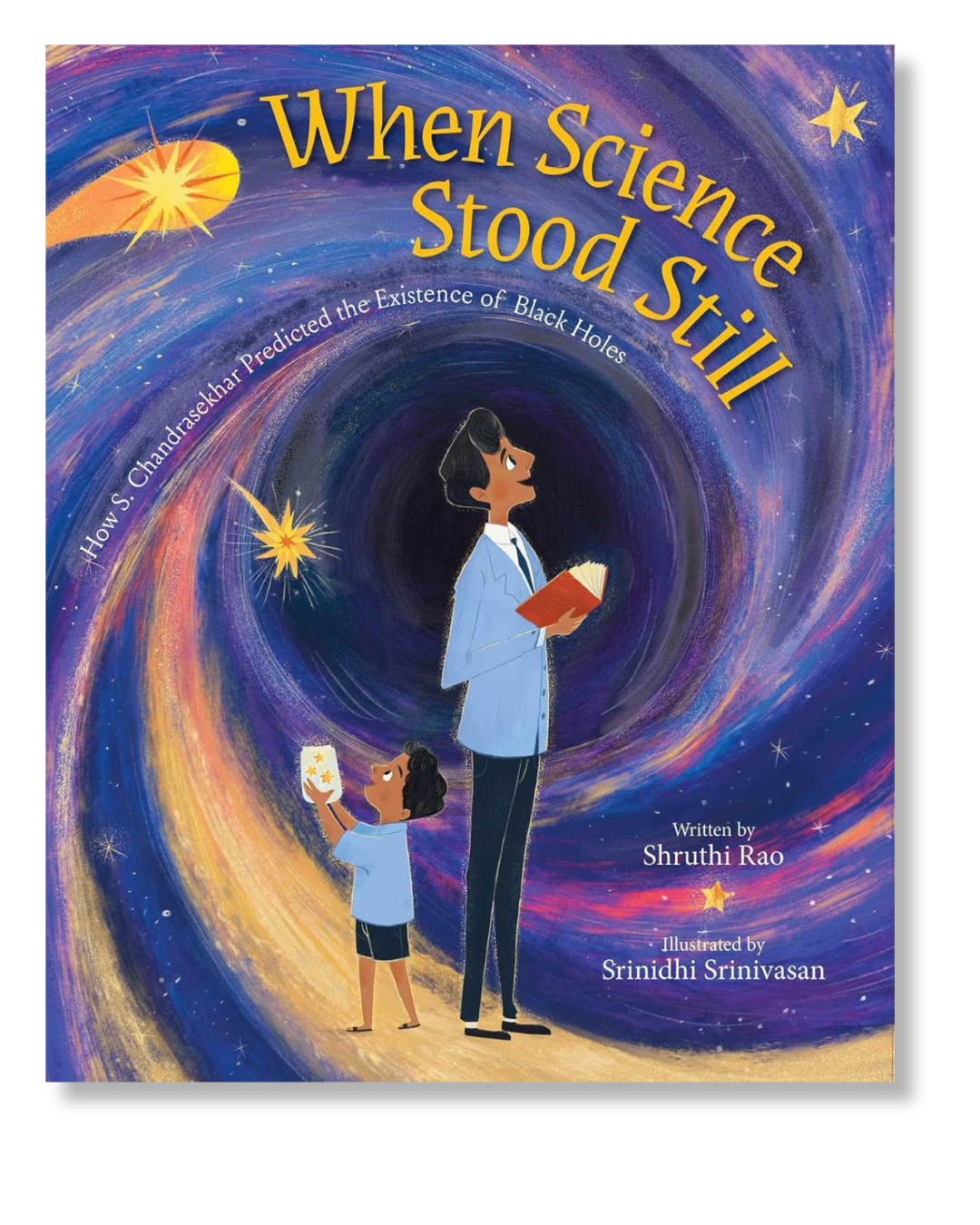 When Science Stood Still
“A fascinating look at how science is not only created, through theories and proof, but also about how it is recognized… or not. Science isn’t always exact or even correct, but without advocates and dedicated scientists, an idea may never move forward. A fabulous book that gives young readers a glimpse into how people think about science through the lens of the theory of black holes.”
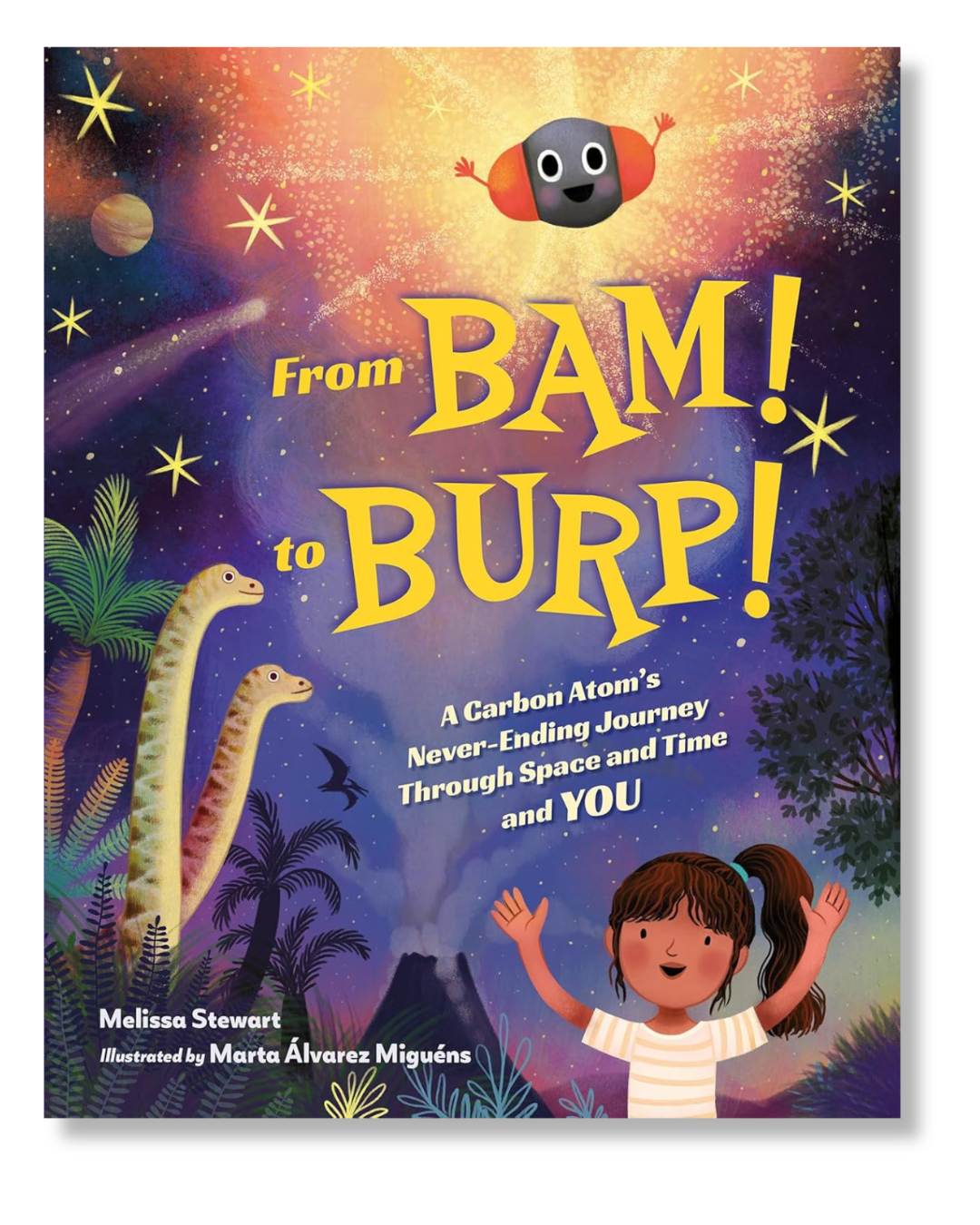 From BAM! to BURP!
“Did you know that a carbon atom that was once in a dinosaur could now be in the pancakes you ate at breakfast? Check out this awesome STEM picture book that takes the reader on the epic journey of a carbon atom as it travels through the universe and across time.”
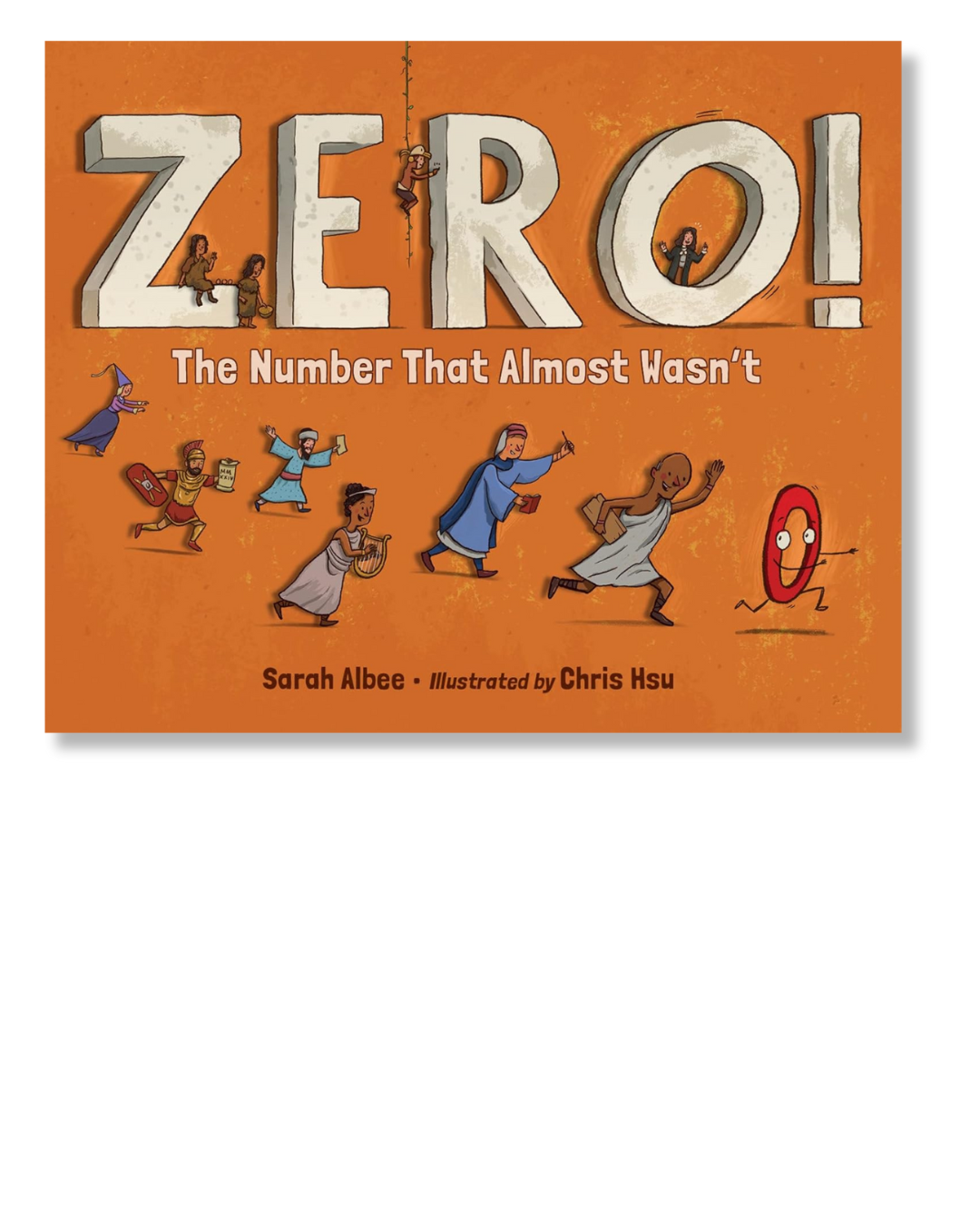 Zero! The Number That Almost Wasn’t
“This is a beautifully written and illustrated history of the number zero. Kids of all ages will find this book fascinating simply because of all of the intriguing information inside. It’s a really fun and interesting read!”
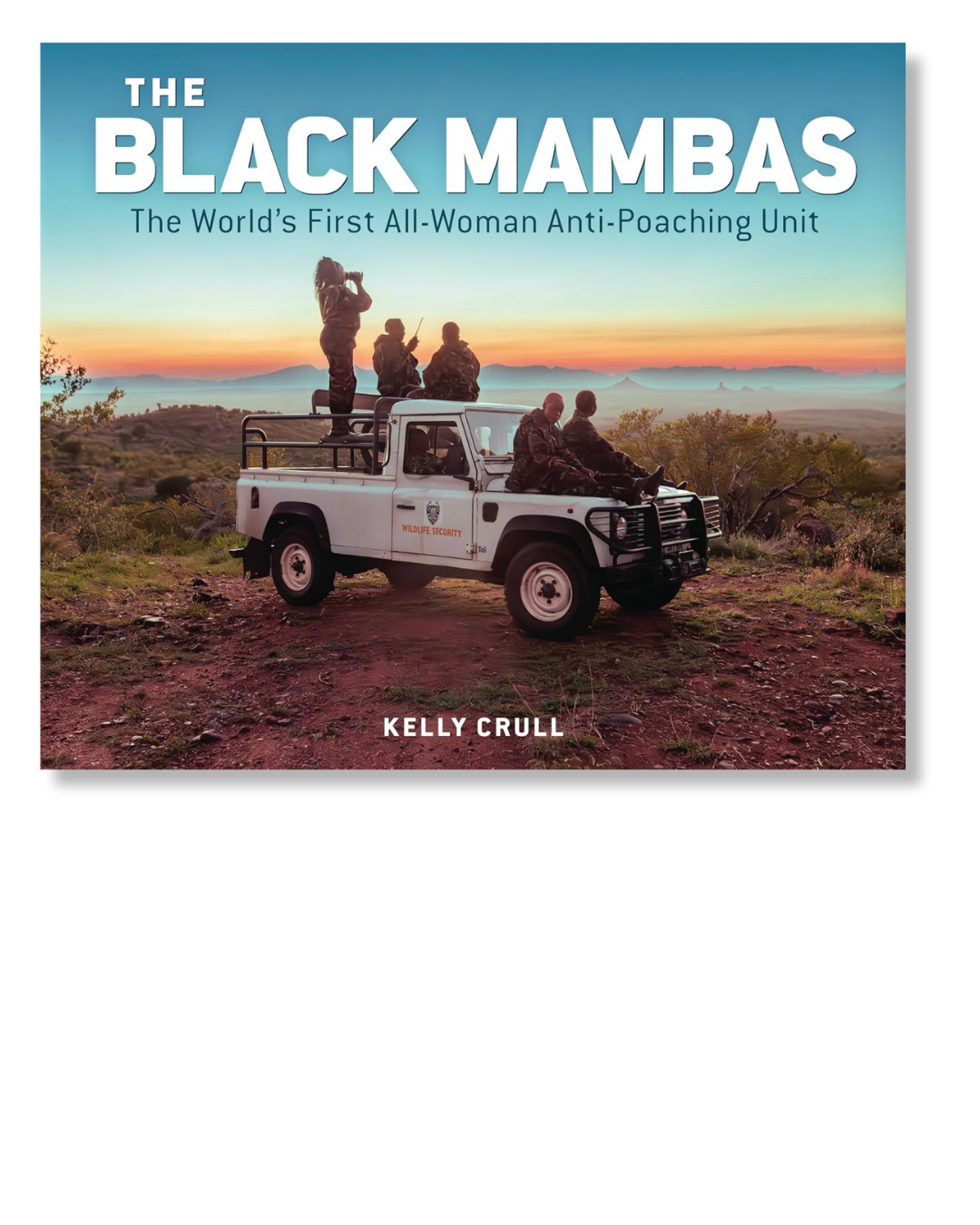 The Black Mambas
“This fascinating book follows the work of the Black Mambas, the world’s first all-woman anti-poaching unit. Told from a unique first-person narrative, this book allows the reader to follow the daily life of these amazing women rangers. Perfect for kids interested in STEM and conservation work.”
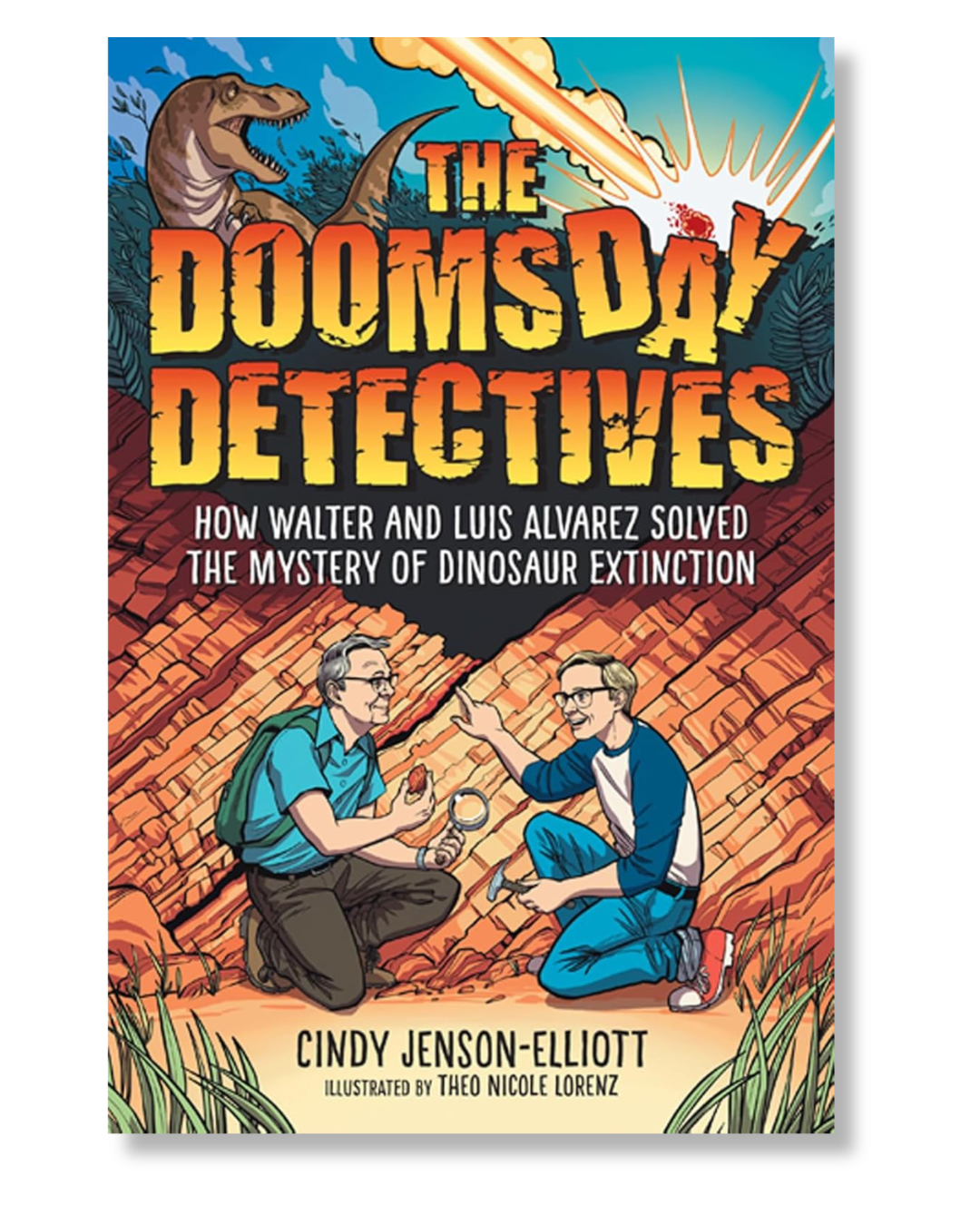 The Doomsday Detectives
“Want to take a deep dive into dinosaurs and learn how they became extinct? This is the book for you! Packed with tons of fun facts, a great story, and graphic image panels to explain the difficult science, this book is perfect for the history- and STEM-loving kid.”
What was it like to witness the end of the dinosaurs? Author Riley Black stopped by SciFri to share what we know about the last days, weeks, and years of dinosaur’s reign on Earth.
Need even more recommendations? You can always find great ideas in trade journals like Kirkus, Publishers Weekly, School Library Journal, and Booklist. Or try pages like STEAM Team Books for targeted options. Plus the American Library Association awards the Sibert Medal annually to the best works of nonfiction for children. Check out the list of current and past winners for excellent science books. And don’t miss Science Friday’s “Best Science Books for Kids” lists from 2022, 2023, and 2024.
Are you an avid science reader too? Join the SciFri Book Club where we discuss books that spark curiosity—nonfiction, sci-fi, biographies, poetry, and more. Enjoy live-streamed events, expert chats, and a healthy dose of nerdy joy. Plus, it’s FREE!
Sandy Roberts is Science Friday’s Education Program Manager, where she creates learning resources and experiences to advance STEM equity in all learning environments. Lately, she’s been playing with origami circuits and trying to perfect a gluten-free sourdough recipe.