featured segment
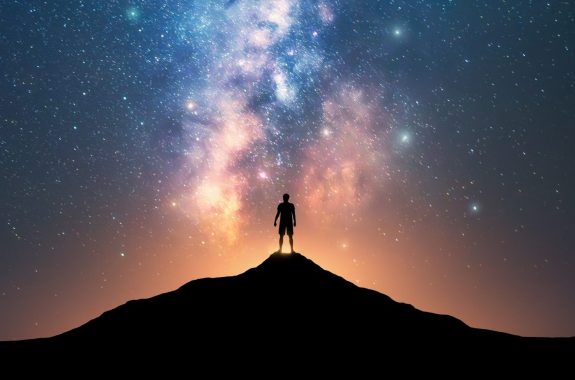
The lucky breaks that make our Earth home
An astrophysicist explores all that it took for life to exist on Earth, from the formation of stars to self-organizing molecules.
Heard on the Air

16:30
Your DNA is constantly mutating, and that’s a good thing
Everyday DNA mutations can help us understand immune function and aging—and even mitigate harm caused by some inherited diseases.

12:04
Maine nearly became the first state to ban data centers
Maine shows how public mobilization is making a difference in determining where data centers go, and how they impact local communities.
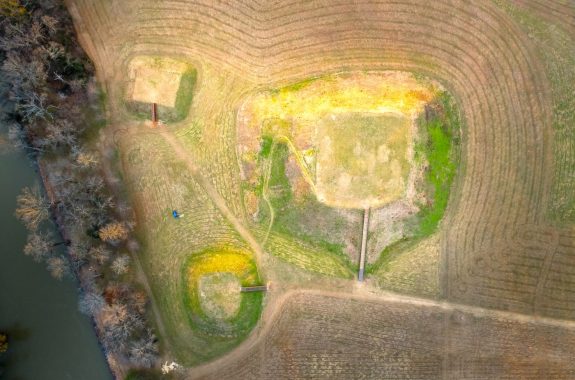
What urban design tells us about democracy
Archaeologists can use the design of ancient temples, plazas, and cities to piece together the story of how a place was governed.
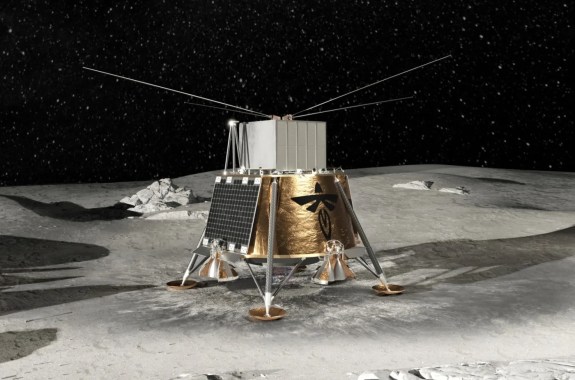
Listening for the cosmic ‘dark ages,’ from the lunar far side
The LuSEE-Night mission would place a small radio telescope on the far side of the moon to listen for signals of the cosmic “dark ages.”
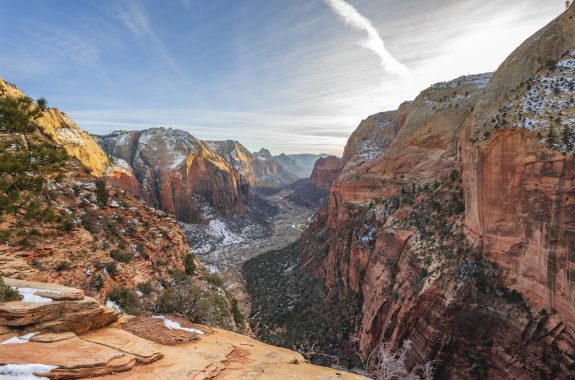
How do you describe nature? Two poets help us
For Earth Day, we wanted to know how to best put our feelings about nature into words. Two poets help us out.
The lucky breaks that make our Earth home
An astrophysicist explores all that it took for life to exist on Earth, from the formation of stars to self-organizing molecules.