Subscribe to Science Friday
 This story is part of The State of Science, a series featuring science stories from public media journalists across the United States. It features reporting by Joe Hong from Gothamist and WNYC.
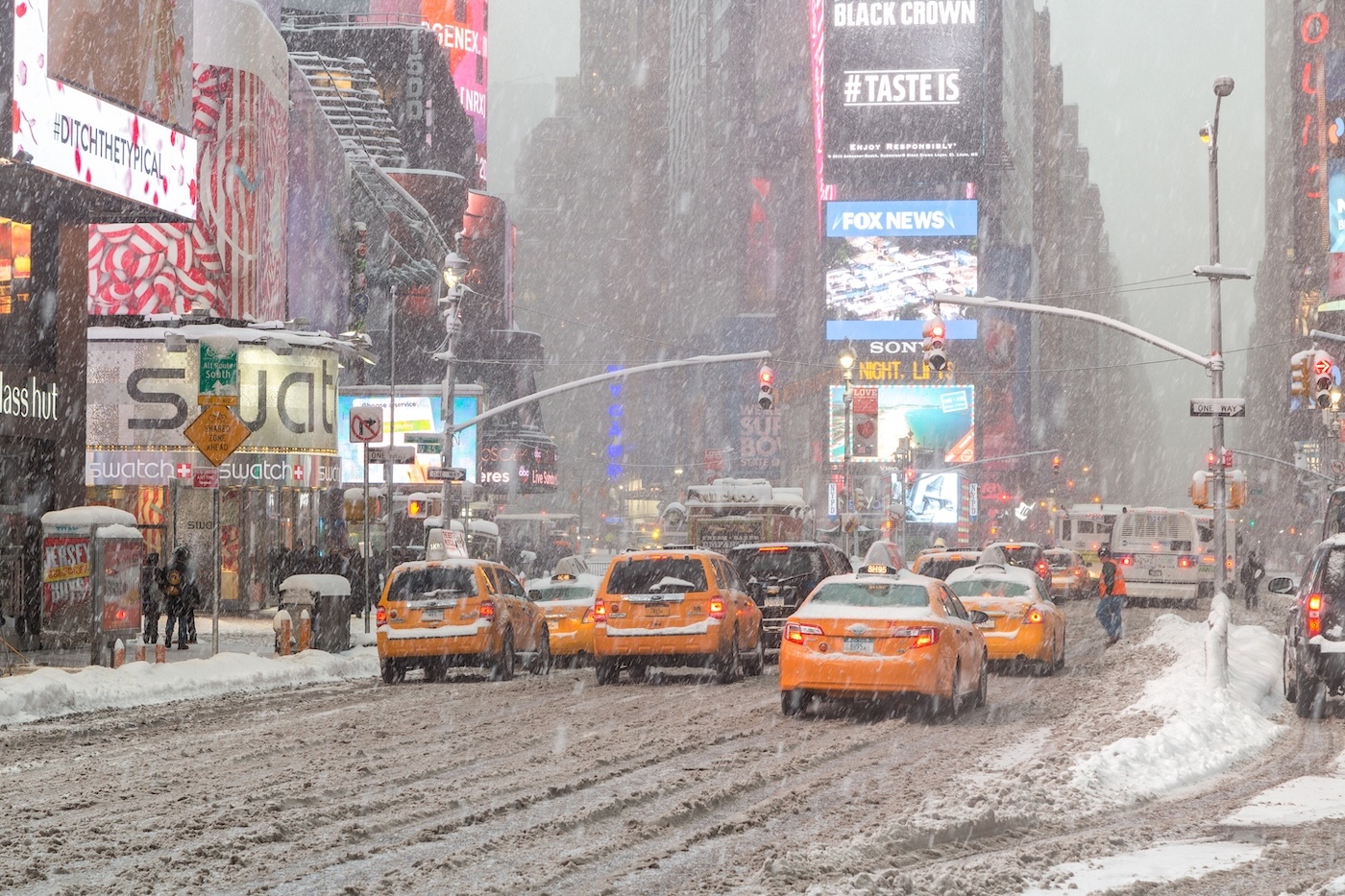
Every winter, pristine, downy snowflakes transform into a ragout of black, yellow, and brown streaks. And there are probably no dirty snowbanks as disgusting as those that line the streets of New York City.
Investigative reporter Joe Hong dug into some NYC snowbanks to find out just what is lurking in these piles of snow. He speaks to host Flora Lichtman about his findings.
Further Reading
Donate To Science Friday
Invest in quality science journalism by making a donation to Science Friday.
Segment Guests
Joe Hong
Joe Hong is the investigative data reporter for Gothamist and WNYC based in New York.
Segment Transcript
FLORA LICHTMAN: Moving from the pungent vape store in the corner to the pungent slush pile in front of that vape store– I’m talking about an urban wintertime icon, the dirty snowbank. Every winter, we watch pristine downy flake transform into a ragout of black, yellow, and brown streaks. Are these frosty sidewalk toilets as disgusting as they seem? My next guest wondered the same thing and dug in to find some answers. Joe Hong is the investigative data reporter for WNYC and Gothamist. And he tested the soiled snowbanks of New York City. Hey, Joe.
JOE HONG: Hey, thanks for having me.
FLORA LICHTMAN: No problem. Was this a passion project for you?
JOE HONG: A little bit, but I think collectively, as a newsroom, we’ve always sort of wondered, oh, man, what is in that gross snow that’s just been sitting there for weeks? And it got to the point where my editor was like, I think we have a lab where we can get this stuff tested. So we decided to scoop some up, put them in some sterilized bottles, and ship them off to this lab in Long Island.
FLORA LICHTMAN: Well, yes. Tell me a little bit more about the process. Where did you collect your snow, and why did you select certain spots?
JOE HONG: Yeah, absolutely. So we picked three spots. The first one is Williamsburg.
FLORA LICHTMAN: So a neighborhood in Brooklyn, New York.
JOE HONG: Yes, yes. And that neighborhood is known for its really bad air pollution. And so we wanted–
FLORA LICHTMAN: And hipsters.
JOE HONG: Exactly.
FLORA LICHTMAN: Just so people know.
JOE HONG: Yeah. Yeah, so we want to know, is the snow sort of soaking up all this air pollution like a sponge? And so we went there. And then I went to the Jackson Heights Roosevelt Avenue subway station.
FLORA LICHTMAN: So we’re talking Queens now.
JOE HONG: In Queens, yeah, and got snow from under the elevated subway track. We know that the subway tracks, they shed lead from the old lead paint that’s on them. And I also found quite a bit of bird poop from the avian residents who live under that track. That had accumulated on the snow.
And then we went to Washington Heights in Upper Manhattan. We chose that neighborhood because I did a story earlier last year that found that Washington Heights residents had the highest number of 311 complaints related to people not picking up after their dogs. And so, yeah, we wanted to see, is this snow just full of dog poop?
FLORA LICHTMAN: This is very scientific. I mean, were you in rubber gloves? Did you have test tubes? How should I picture it?
JOE HONG: Yeah, yeah. So we just wanted to be very cautious. This is stuff that we look at all the time but don’t really want to think about or touch. So we got one bucket for each sample. And then we used a brand-new set of rubber gloves and a brand-new scooper for each one of these samples. So we didn’t want to cross-contaminate or anything.
FLORA LICHTMAN: Oh, of course.
JOE HONG: So yeah, so we wore sort of like PPE as we collected them.
FLORA LICHTMAN: [LAUGHS] PPE.
JOE HONG: Yeah.
FLORA LICHTMAN: And were you– just in terms of methodology here, because we’re a science show, were you scooping up the worst bits in the pile, or were you homing in on the brown streaks or the pink chunks that we all know are there?
JOE HONG: So we were kind of trying to get a representative sample of the grossness that we see. So that meant skimming an inch layer off the top of a pile that looked particularly bad. But if I saw like an actual piece of dog poop just sitting on the snow, I didn’t just grab that piece of dog poop and put it in my bucket.
FLORA LICHTMAN: I mean, we have the results. We know what that is.
JOE HONG: Yeah, yeah, yeah.
FLORA LICHTMAN: OK, we got to get to the results. Were any of the results PP? And by that, I mean particularly perplexing.
JOE HONG: [LAUGHS] Yes. Well, I should say they were initially perplexing. And then we talked to some experts. But we found some high levels of metals like chromium and lead as well in some of the snow. And the levels that we were seeing were significantly higher than what we would find in drinking water. But once we started talking to experts, we realized, oh, if there’s even a little bit of dirt mixed in with the snow– New York City’s soil contains just high levels of lead and various types of metals across the board, so that’s what caused those readings.
And I guess another thing in the Jackson Heights sample, I mentioned all that bird poop that I definitely skimmed some of. What we found, though, is high levels of this bacteria called Enterococcus. And that bacteria is found in the fecal matter of warm-blooded animals. And so this was likely dog poop or, god forbid, human feces.
FLORA LICHTMAN: What about squirrels? Or there are other warm-blooded–
JOE HONG: You know? You’re right.
FLORA LICHTMAN: Rats.
JOE HONG: I did not– rats, yeah. I did not– I didn’t consider that. So yeah, that Jackson Heights sample was particularly rich.
FLORA LICHTMAN: Any other findings that made you scratch your head?
JOE HONG: Not necessarily scratch my head, but the lead readings, I think, were a little eyebrow raising, shall we say, because it’s not inconceivable that small children will be running around and playing in the snow right after it falls. And they might fall or grab some off the top and put it in their mouth.
FLORA LICHTMAN: And eat it. Joe, come on. We all know. Yeah.
JOE HONG: Yeah. I mean, I’m not a parent, so I want to be sensitive here. But I mean, as a kid, I was known to do that as well. But seeing these lead readings made me think, oh, maybe parents should be a little more careful about letting their kids just sort of run around and putting this stuff in their mouths.
FLORA LICHTMAN: So do you think that these findings are transferable to other cities, or did your experts think this is New York specific?
JOE HONG: Yeah, so I think a lot of the metals that we found, like lead and chromium, have a lot of industrial applications, or they’re sort of the byproducts of urban environments. And so, yeah, you’re going to find more of these materials in bigger cities. And the interesting thing, though, if you think about it, is that these snowbanks are just kind of laying bare what’s already on our streets and what’s in our air and in our environment year round. And so, yeah, they’re not grosser than the city on a good day, necessarily. So these snow banks are kind of holding up a mirror to our city’s air and air quality.
FLORA LICHTMAN: [SIGHS] A brown, yellow mirror. Joe Hong is the investigative data reporter for WNYC and Gothamist based in New York. This episode was produced by Kathleen Davis. And if you want to complain about all the potty talk in the app or how we compared poop-encrusted snow piles to a ragout, we always welcome your feedback and also your suggestions and questions. Have you wanted to do an experiment like this? Give us a call. Maybe we can help. 877-4-SCIFRI. We’ll catch you next time. I’m Flora Lichtman.
Copyright © 2026 Science Friday Initiative. All rights reserved. Science Friday transcripts are produced on a tight deadline by 3Play Media. Fidelity to the original aired/published audio or video file might vary, and text might be updated or amended in the future. For the authoritative record of Science Friday’s programming, please visit the original aired/published recording. For terms of use and more information, visit our policies pages at http://www.sciencefriday.com/about/policies/
Meet the Producers and Host
About Flora Lichtman
Flora Lichtman is a host of Science Friday. In a previous life, she lived on a research ship where apertivi were served on the top deck, hoisted there via pulley by the ship’s chef.
About Kathleen Davis
Kathleen Davis is a producer and fill-in host at Science Friday, which means she spends her weeks researching, writing, editing, and sometimes talking into a microphone. She’s always eager to talk about freshwater lakes and Coney Island diners.