Flora Lichtman
Host
Flora has produced science media for 20 years across many formats. She got her start right here at Science Friday, working her way up from intern to fill-in host, and resident videographer. From there, she worked as a video producer for The New York Times, co-creating an Emmy-nominated film series that dramatized scientific discoveries using… paper puppets. She also was nominated for an Emmy for her writing on Bill Nye’s Netflix show “Bill Nye Saves the World.” She has created and launched a number of podcasts in various roles, including hosting Gimlet’s beloved “Every Little Thing,” which connected listeners to experts who could answer their burning questions. The show ran for five years and published over 200 episodes. In her previous role as Hypothesis Fund Managing Editor, she told the stories of world-class scientists pursuing bold new ideas in a new storytelling initiative, The Leap.
Making science accessible, relatable, and human has been a focus of Flora’s career. Some of her inspiration comes from her own experience in science: Long, long ago, she worked at a NATO oceanographic lab in Italy. For the lab’s research expeditions, she lived on a ship where apertivi were served on the top deck, hoisted there via pulley by the ship’s chef.
You can find her @flichtman on social media platforms.

Five years after “Klara and the Sun” was published, the film adaptation exists in an entirely different AI landscape.
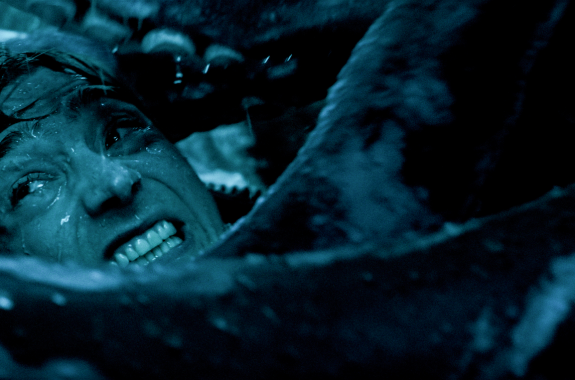
In the new movie “Whalefall,” a scuba diver has a very bad day in the guts of a sperm whale. Could it actually happen?

A linguist weighs in on how “politician speak” has changed over the past century, and what it says about what we want from our leaders.
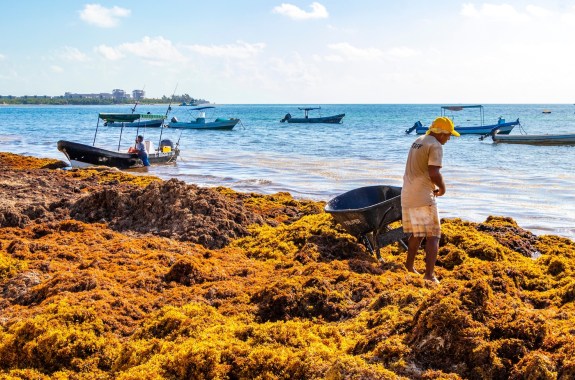
A free-floating seaweed called sargassum is exploding in the Atlantic Ocean, clogging up coastlines from West Africa to the Caribbean.

Attachment styles have taken off as a way to understand relationships. But does the science behind it line up with popular interpretations?
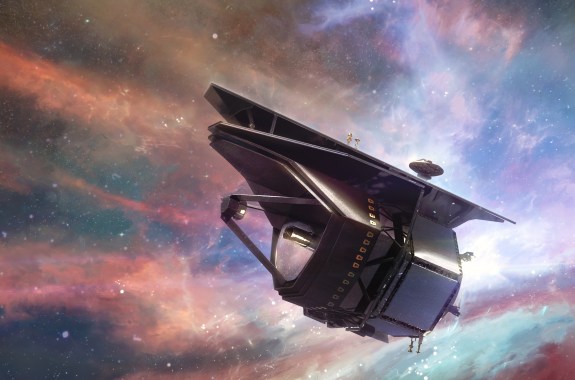
The proposed PRIMA space telescope just entered Phase B of its development. What does that mean?
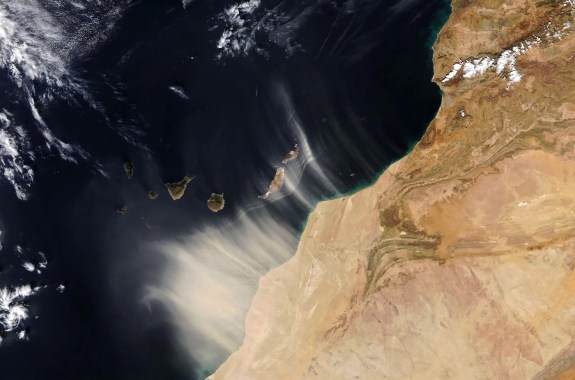
An estimated 2 billion tons of dust are lofted into the air each year, affecting ecosystems, the atmosphere, and the weather.

A new mRNA flu vaccine promises a closer match to circulating flu strains. But dysfunction at federal health agencies is complicating rollout.
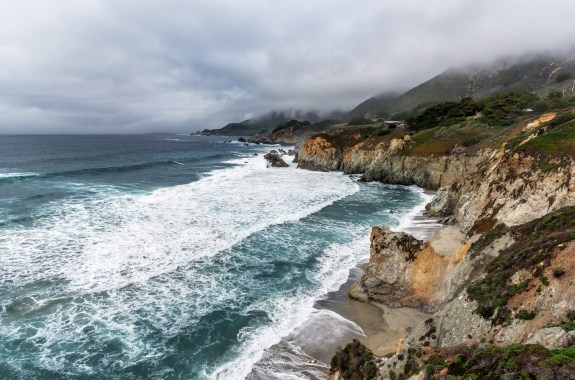
El Niño is driving a Kelvin wave up the West Coast, raising sea levels. What is it, and how does it work?
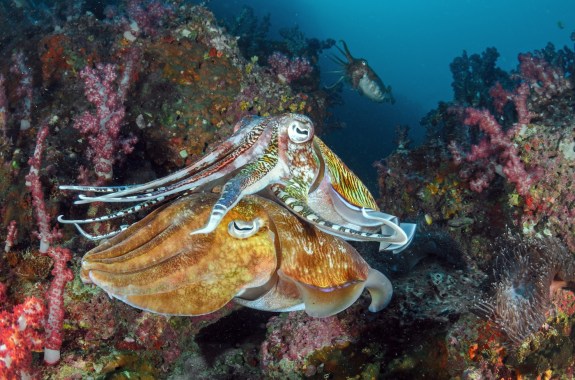
This Cephalopod Week, we’re talking death spirals, cannibalism, and giant squid dissection.