Dee Peterschmidt
Production Manager, Audio
Dee Peterschmidt is Science Friday’s audio production manager, hosted the podcast Universe of Art, and composes music for Science Friday’s podcasts. They’re drawn to stories about art, technology, and the environment.
Before joining the team at Science Friday, Dee was a product intern for NPR, where they helped out with podcast content management and promo art design.
Dee grew up in San Diego, where they learned hip slang like “swoll,” “clean,” and “off the flame” to describe muscle definition.
When they’re not working, you might find them playing Super Smash Bros. with their family, making 8-bit covers of TV show theme songs, or playing D&D as a clumsy bard named Chip Chap Chopman.

A linguist weighs in on how “politician speak” has changed over the past century, and what it says about what we want from our leaders.
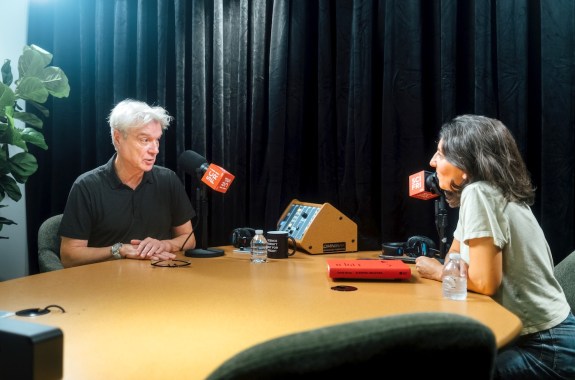
Why do some breakthroughs go dormant—and then wake up? Watch Flora’s interview with artist David Byrne about these “sleeping beauties.”

To prepare for an overseas game, the LA Rams tried a Hail Mary jet lag strategy. They lost, but were they onto something?
Concerns about AI safety are growing. Two researchers explain what “alignment” means, and what questions remain.

After decades of controversy over prescribing hormone therapy for perimenopause, many providers are reconsidering their approach.

Using fossil records and AI tools, scientists reconstructed a soundscape of a Jurassic forest, complete with ancient katydid calls.

Cannabis seems to be everywhere, in many forms. We’re learning more about its effect on teenage brains and its usefulness as a therapeutic.

The LUX-ZEPLIN detector picked up a strange signal that scientists haven’t cracked yet. Could it be a dark matter interaction?

Scientists are trying to decode the hallucinogenic properties of a mushroom that consistently makes people see miniature humans.
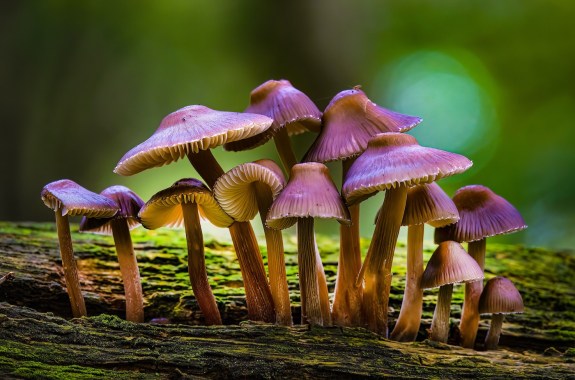
One of the world’s largest organisms is an Oregon fungus thought to be over 8,000 years old. But what does age mean to a fungus, anyway?