Flora Lichtman
Host
Flora has produced science media for 20 years across many formats. She got her start right here at Science Friday, working her way up from intern to fill-in host, and resident videographer. From there, she worked as a video producer for The New York Times, co-creating an Emmy-nominated film series that dramatized scientific discoveries using… paper puppets. She also was nominated for an Emmy for her writing on Bill Nye’s Netflix show “Bill Nye Saves the World.” She has created and launched a number of podcasts in various roles, including hosting Gimlet’s beloved “Every Little Thing,” which connected listeners to experts who could answer their burning questions. The show ran for five years and published over 200 episodes. In her previous role as Hypothesis Fund Managing Editor, she told the stories of world-class scientists pursuing bold new ideas in a new storytelling initiative, The Leap.
Making science accessible, relatable, and human has been a focus of Flora’s career. Some of her inspiration comes from her own experience in science: Long, long ago, she worked at a NATO oceanographic lab in Italy. For the lab’s research expeditions, she lived on a ship where apertivi were served on the top deck, hoisted there via pulley by the ship’s chef.
You can find her @flichtman on social media platforms.
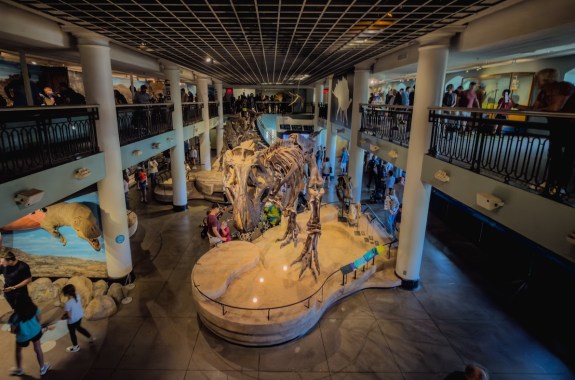
The country’s oldest natural history museum, in Philadelphia, has closed its doors to visitors. Will other museums follow?
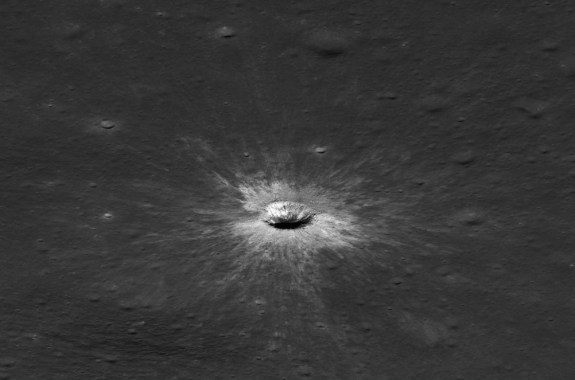
Scientists are learning more about a recent impact crater on the moon. Plus, hunting for extraterrestrial life through technological clues.

The pandemic interrupted the lives of millions of kids. Researchers are studying the impact on their social and emotional development.
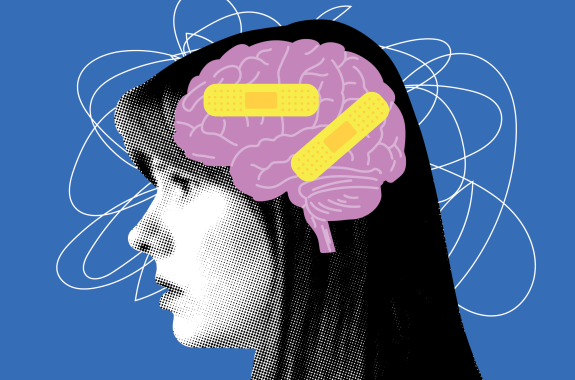
The latest scientific understanding of concussions is upending treatment recommendations for recovery.
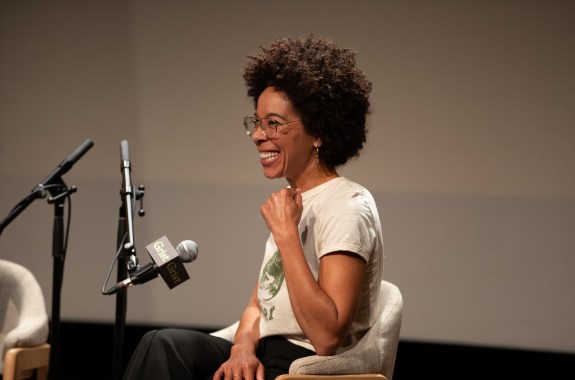
Climate leader Ayana Elizabeth Johnson reflects on this moment of the climate movement and why climate action should be fun.
Concerns about AI safety are growing. Two researchers explain what “alignment” means, and what questions remain.
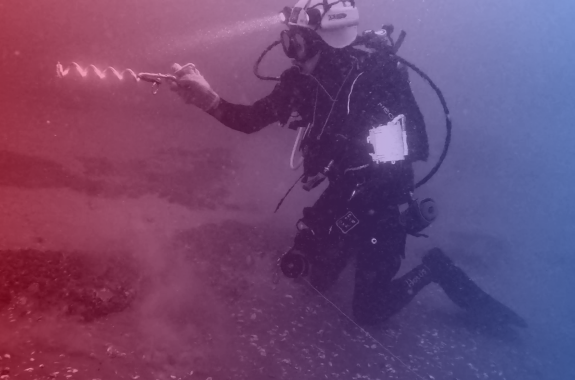
At the end of the last ice age, glacial melt inundated human settlements near shorelines. Underwater archeologists are uncovering their artifacts.
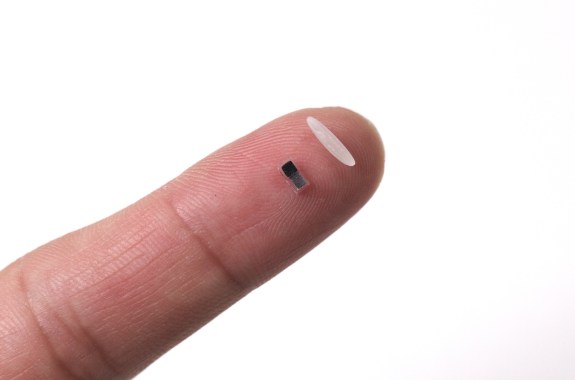
Inventor John Rogers bridges the natural and artificial worlds with flexible, biocompatible electronics.
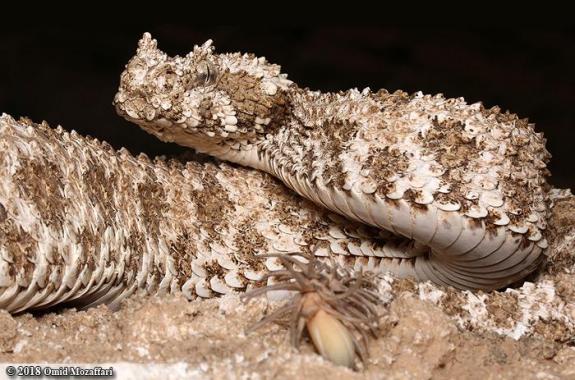
The spider-tailed horned viper uses an unusual appendage to lure in birds. Researchers looked inside the spidery tail.
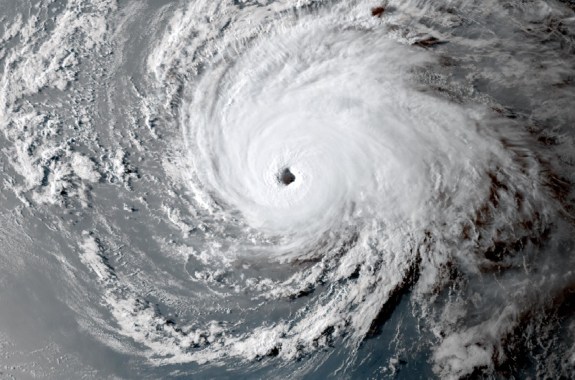
Hawaiʻi has generally been safe from the worst effects of hurricanes. But this year two hurricanes battered the islands in a matter of weeks.