Flora Lichtman
Host
Flora has produced science media for 20 years across many formats. She got her start right here at Science Friday, working her way up from intern to fill-in host, and resident videographer. From there, she worked as a video producer for The New York Times, co-creating an Emmy-nominated film series that dramatized scientific discoveries using… paper puppets. She also was nominated for an Emmy for her writing on Bill Nye’s Netflix show “Bill Nye Saves the World.” She has created and launched a number of podcasts in various roles, including hosting Gimlet’s beloved “Every Little Thing,” which connected listeners to experts who could answer their burning questions. The show ran for five years and published over 200 episodes. In her previous role as Hypothesis Fund Managing Editor, she told the stories of world-class scientists pursuing bold new ideas in a new storytelling initiative, The Leap.
Making science accessible, relatable, and human has been a focus of Flora’s career. Some of her inspiration comes from her own experience in science: Long, long ago, she worked at a NATO oceanographic lab in Italy. For the lab’s research expeditions, she lived on a ship where apertivi were served on the top deck, hoisted there via pulley by the ship’s chef.
You can find her @flichtman on social media platforms.

As black bears return to their historic ranges across the U.S., human encounters are increasing. How can bears and people live in harmony?

Cannabis seems to be everywhere, in many forms. We’re learning more about its effect on teenage brains and its usefulness as a therapeutic.

The LUX-ZEPLIN detector picked up a strange signal that scientists haven’t cracked yet. Could it be a dark matter interaction?

Scientists are trying to decode the hallucinogenic properties of a mushroom that consistently makes people see miniature humans.
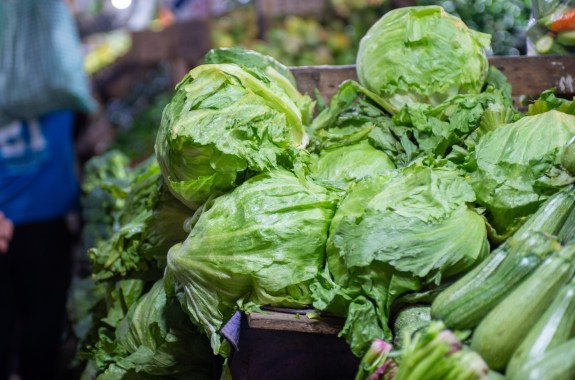
Food recalls abounded this summer, but was it unusual? Plus, why some modern cars burst into flames, even when turned off.
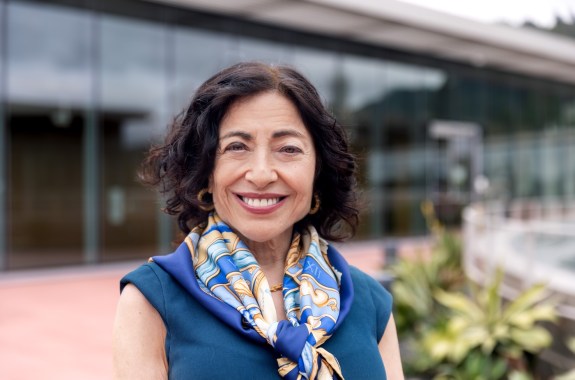
Jennifer Chayes’ game-changing ideas in math and computer science helped pave the way for today’s innovations in machine learning and AI.
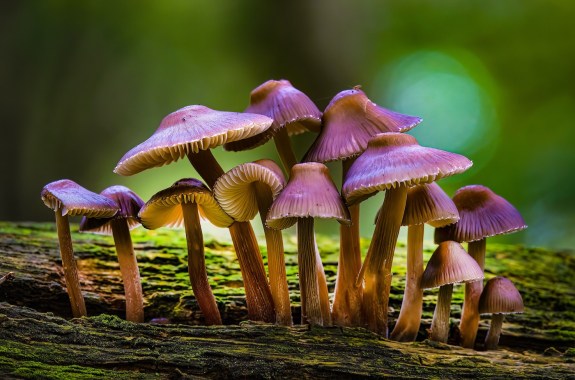
One of the world’s largest organisms is an Oregon fungus thought to be over 8,000 years old. But what does age mean to a fungus, anyway?
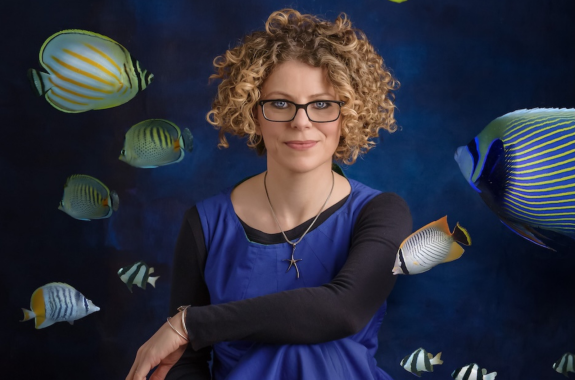
The ocean is in trouble. But the sea has a hold on us, and the stories we tell about it are helping turn the tide.
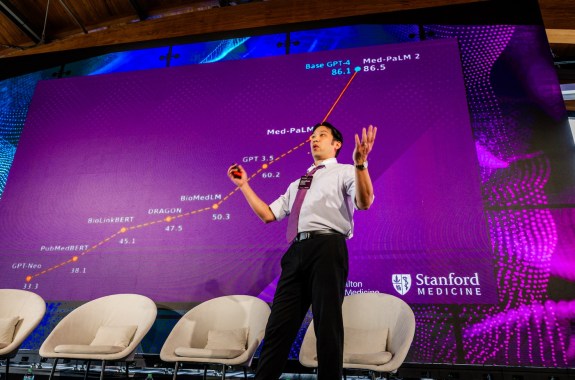
Medical AI tools are transcribing patient visits, responding to doctors’ questions, and analyzing scans. What are the benefits—and the risks?
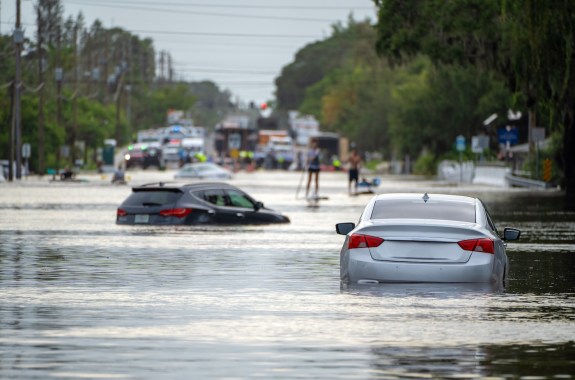
We know that climate change causes weather to be more extreme, more often. Attribution science tries to nail down exactly by how much.