Flora Lichtman
Host
Flora has produced science media for 20 years across many formats. She got her start right here at Science Friday, working her way up from intern to fill-in host, and resident videographer. From there, she worked as a video producer for The New York Times, co-creating an Emmy-nominated film series that dramatized scientific discoveries using… paper puppets. She also was nominated for an Emmy for her writing on Bill Nye’s Netflix show “Bill Nye Saves the World.” She has created and launched a number of podcasts in various roles, including hosting Gimlet’s beloved “Every Little Thing,” which connected listeners to experts who could answer their burning questions. The show ran for five years and published over 200 episodes. In her previous role as Hypothesis Fund Managing Editor, she told the stories of world-class scientists pursuing bold new ideas in a new storytelling initiative, The Leap.
Making science accessible, relatable, and human has been a focus of Flora’s career. Some of her inspiration comes from her own experience in science: Long, long ago, she worked at a NATO oceanographic lab in Italy. For the lab’s research expeditions, she lived on a ship where apertivi were served on the top deck, hoisted there via pulley by the ship’s chef.
You can find her @flichtman on social media platforms.
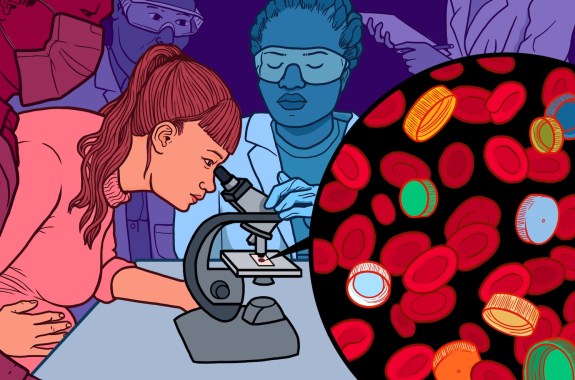
Microplastic researchers are trying to find answers about pressing health concerns while navigating the challenges of a new field of science.
An immunologist who’s been on both sides of vaccine hesitancy talks about what drives it, what gets missed, and how to build trust.
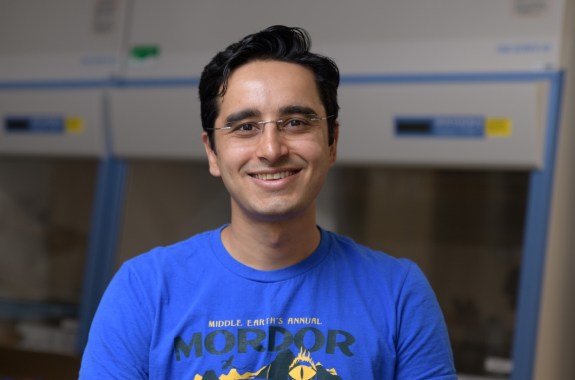
What do the hydrodynamics of insect pee, $1 hearing aids, and squid robots have in common? A lab organized around curiosity, not disciplines.
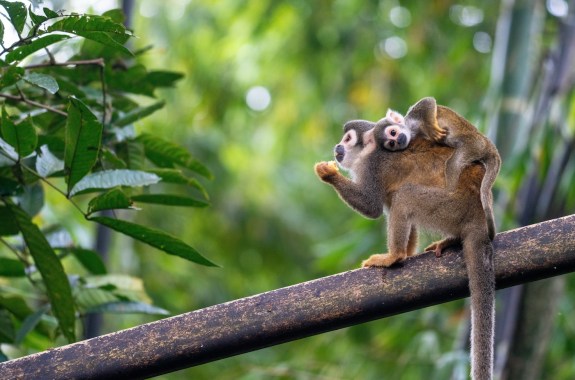
Scientists have long thought extreme childbirth was unique to humans. But some other primates appear to face similar anatomical challenges.
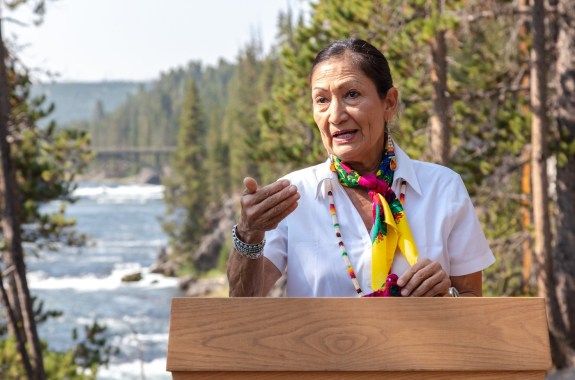
Former Interior Secretary Deb Haaland recounts her unconventional path into politics in a new book. And she tells us why lawsuits can be good.

Modern life involves a lot of sitting and staring at screens, and that takes a toll. Can moving for 5 minutes make a difference?
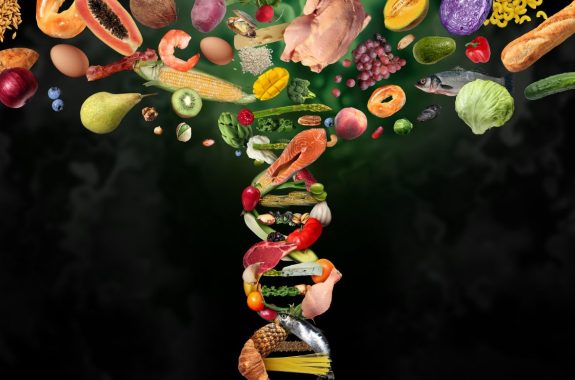
DNA signatures of plant and animal species remain behind even after they’ve been eaten, digested, excreted, and flushed down the toilet.
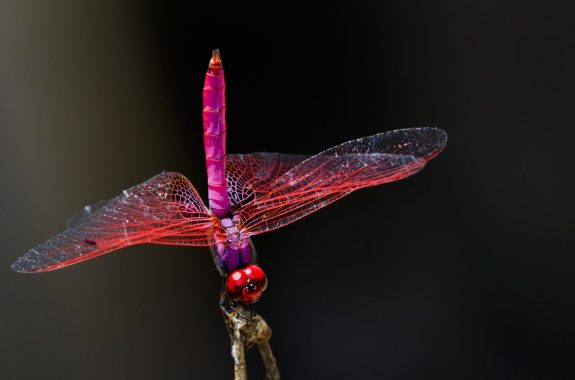
What do a fighter jet and a dragonfly have in common? Plus, how lake fly larvae in Lake Malawi dive 600 feet deep without imploding.
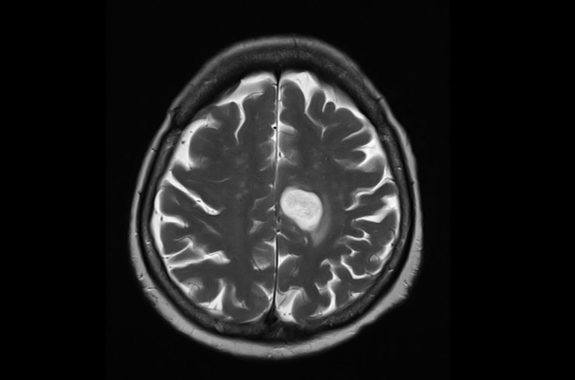
A pioneer of cancer neuroscience explains how brain cancer develops, the role of the nervous system, and what might lead to new treatments.

As NASA plans for longer spaceflights to the moon and Mars, a better menu is important both nutritionally and psychologically.