Kathleen Davis
Producer
Kathleen Davis is a producer and fill-in host at Science Friday, which means she spends her weeks researching, writing, editing, and sometimes talking into a microphone. She heads the show’s State of Science project, bringing local science stories to a national audience.
Before joining the Science Friday team in 2020, Kathleen reported on tech and breaking news at WESA, Pittsburgh’s NPR station. One time, her coworkers made her a dinosaur themed birthday cake, complete with a Rice Krispy meteor.
Kathleen is originally from the great state of Michigan, and is always eager to talk about freshwater lakes and Coney Island diners. She can often be found taking long walks to run errands that would be done much faster by other modes of transportation.

12:11
A record-breaking snow drought in Colorado jeopardizes skiing, fishing, and rafting. Can economies that rely on outdoor recreation adjust?
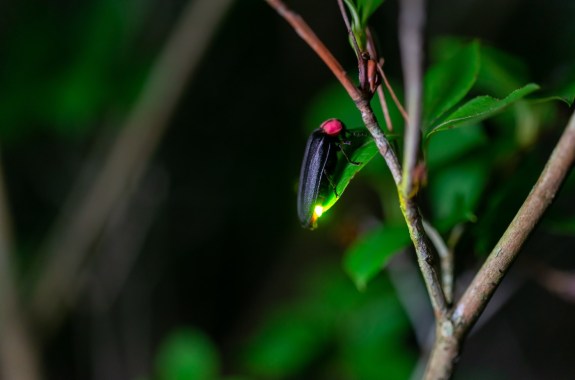
A new journal documents species “lost to science.” Plus, a project to locate lost firefly species in the U.S. and Canada.

Modern life involves a lot of sitting and staring at screens, and that takes a toll. Can moving for 5 minutes make a difference?
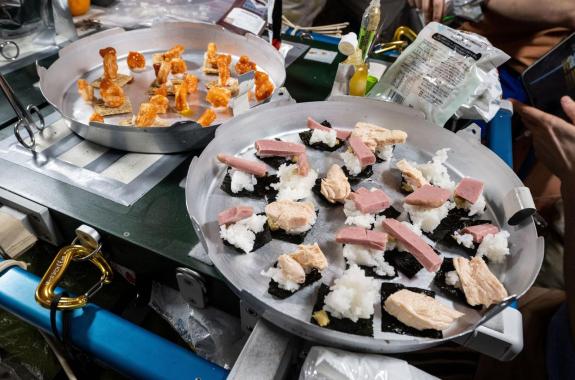
As NASA plans for longer spaceflights to the moon and Mars, a better menu is important both nutritionally and psychologically.
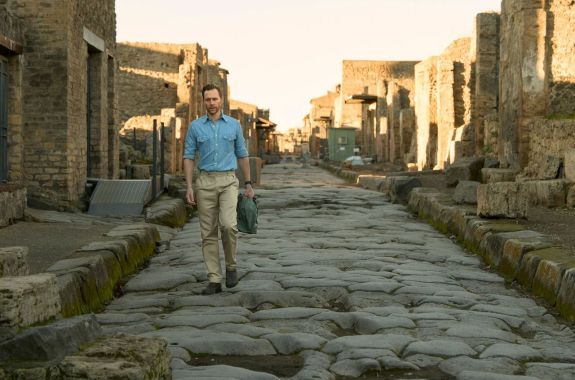
Archeologists are piecing together the lives of ordinary Pompeii residents, from a fish sauce entrepreneur to an enterprising businesswoman.
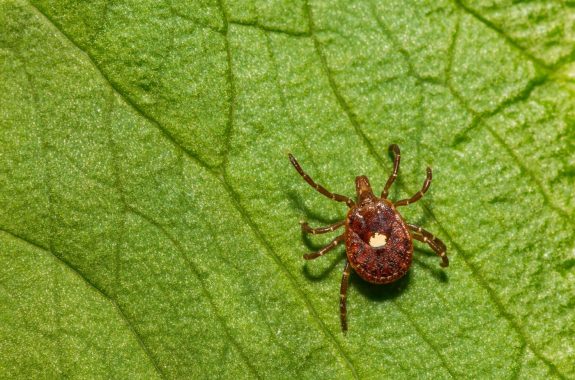
Cases of alpha-gal syndrome, a red meat allergy that comes from a tick bite, are climbing fast. But why does it only develop in certain people?
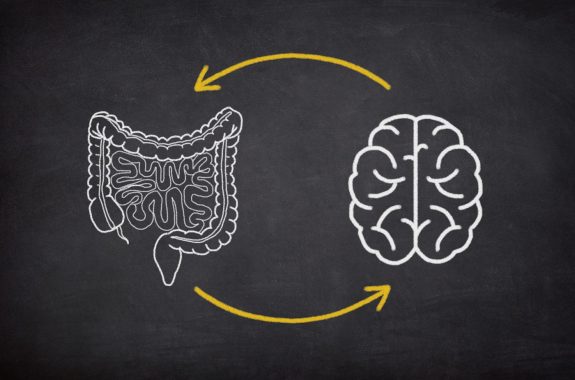
Two experts at the forefront of untangling the gut-brain connection explain its role in IBS, Parkinson’s, and depression.
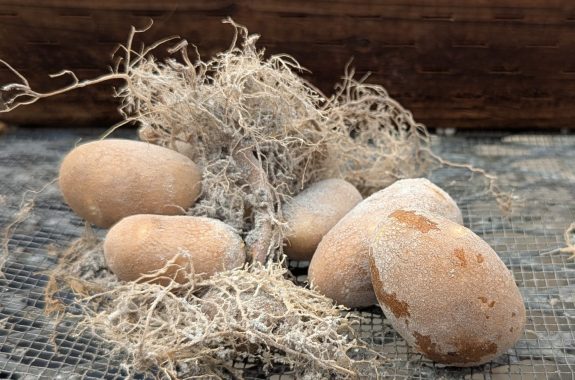
As NASA prepares for long-term moon bases, scientists are working on how to grow food in lunar soil and deal with razor-sharp moon dust.

Musical daydreams are a phenomenon shared across humankind. What do they tell us about our brains?

Do sugary drinks really cause more intense hangovers? Is wine both bad for you and good for you? Experts take on the chemistry of happy hour.