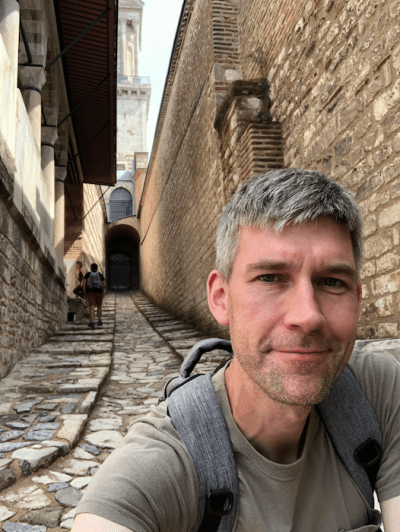
Sam Kean is the New York Times bestselling author of eight books, including The Museum of Lost Things, Dinner with King Tut, and The Disappearing Spoon. His work has appeared in National Geographic, The New Yorker, and The New York Times, and his books have won multiple international awards for literary science writing. His podcast, The Disappearing Spoon, debuted at #1 on the iTunes charts for science podcasts.

Segment
Listen
Did the fire at the Library of Alexandria set humanity back?
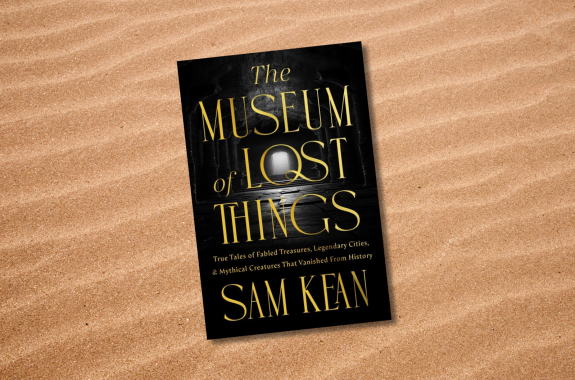
Author Sam Kean explores our fascination with lost knowledge in his new book, “The Museum of Lost Things.”
Book Excerpt
Read More
How Caesar’s civil war led to a devastating loss of knowledge
In “The Museum of Lost Things,” a beheading and a late-night visitor lead to the devastating fire at the Library of Alexandria.
Segment
Listen
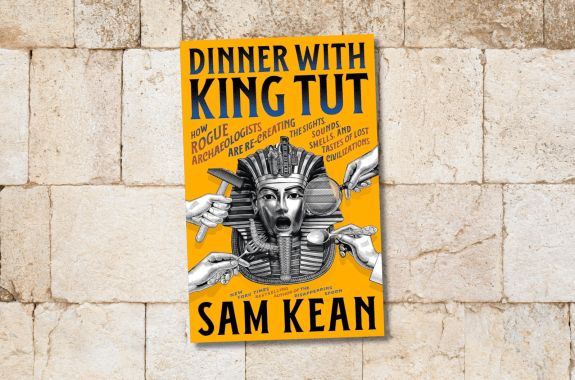
How Archaeologists Try To Smell, Hear, And Taste The Past
In “Dinner With King Tut,” Sam Kean shows how experimental archaeology can recreate the stinky, slimy, and tasty parts of ancient history.
Book Excerpt
Read More
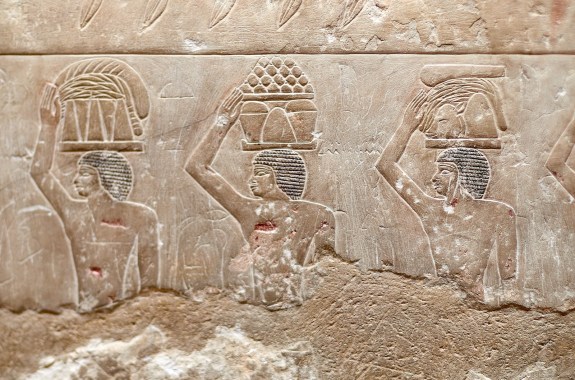
To Understand Ancient Beer, Try Brewing It Yourself
Author Sam Kean writes about how experimental archaeology engages the senses and offers an intimate look into ancient history.
Segment
Listen
23:40
Science Crimes: From Grave Robbers To An Icepick Surgeon
A new book documents the biggest scientific crimes in history and pulls no punches.
Segment
Listen
42:23
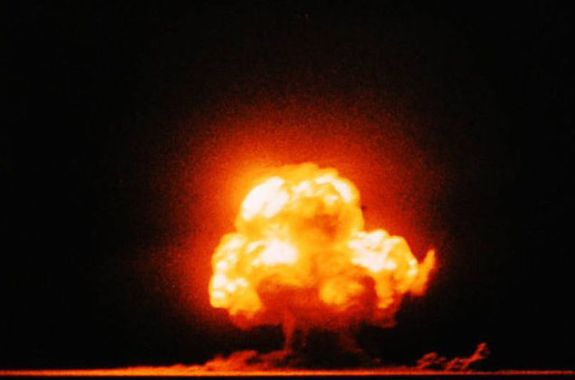
How The Allies Sabotaged The Nazi Atomic Bomb
The Allies were terrified the Nazi atomic bomb would be ready before their own—and they were willing to try anything to stop them.
Article
Read More
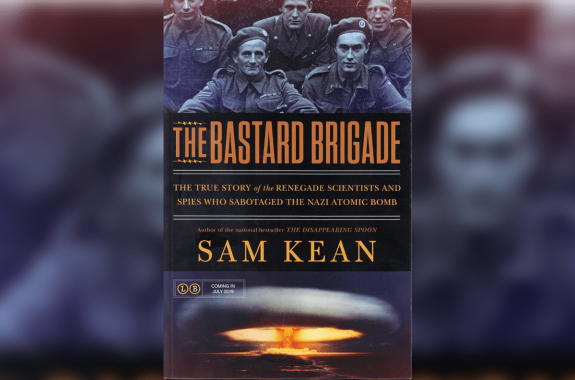
Keeping The Nuclear Bomb Out Of Hitler’s Hands
During World War II, two French physicist’s assistants escape German occupation with a crucial nuclear weapon ingredient before the Nazis get to it first.
Article
Read More
The Real Roswell Cover-Up? Spying On Air
Author Sam Kean explains the secret Cold War project behind the infamous 1947 Roswell crash.
Segment
Listen
23:46
The Alchemy Of Air
Science writer Sam Kean tells the story of the gases that have shaped human history.
Segment
Listen
17:42
Discovering the Brain’s Ghoulish Glitches
Science writer Sam Kean discusses some of the brain’s most ghoulish glitches and what they can teach us about how healthy brains operate.