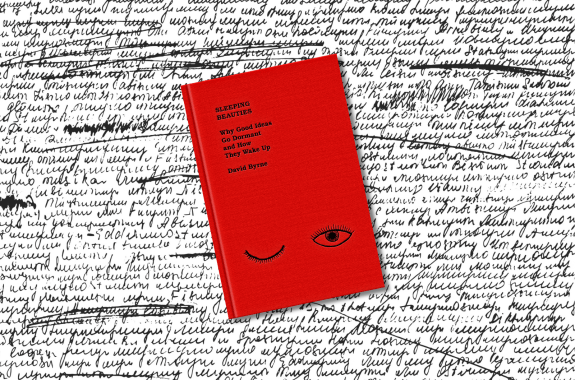
What are ‘sleeping beauties’ in the world of knowledge?
In a new book, artist David Byrne explores how important ideas are forgotten—and then remembered—over time.
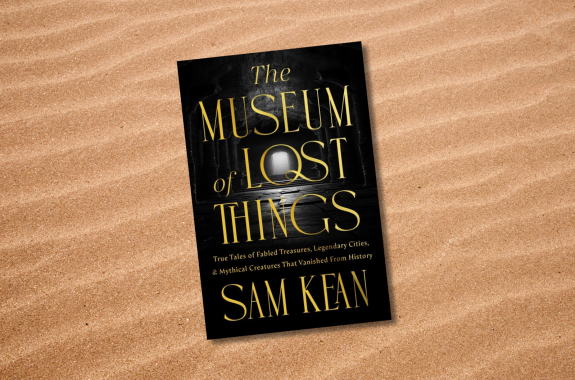
How Caesar’s civil war led to a devastating loss of knowledge
In “The Museum of Lost Things,” a beheading and a late-night visitor lead to the devastating fire at the Library of Alexandria.
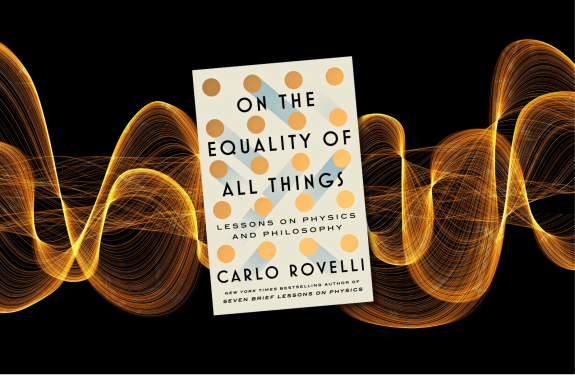
The laws of physics are just one window on reality
In “On the Equality of All Things,” Carlo Rovelli challenges the idea that physical laws can explain everything about the world.
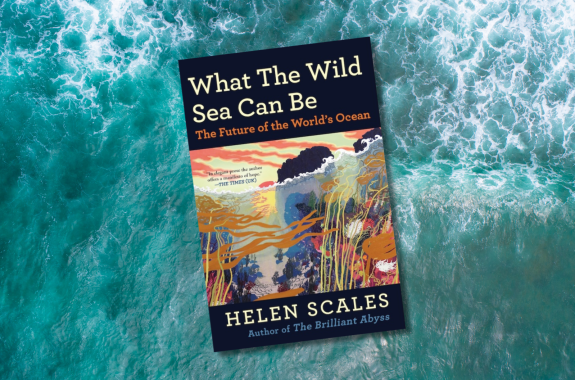
25,000 trilobites and the dizzying biodiversity of the ancient ocean
In “What the Wild Sea Can Be,” a snapshot of plankton and trilobites from eons past hints at the scale of the ocean’s existence.

Finding political identity in nature and community
In “A Voice Like Mine,” Deb Haaland finds connection through running, and reflects on how we all have a role in the politics of community.
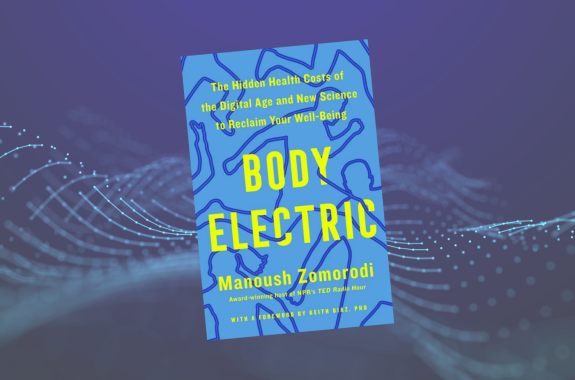
Reclaiming health and humanity in a tech-filled life
“Body Electric” examines what technology and screens are doing to our minds and bodies, and how we can reclaim our well-being.
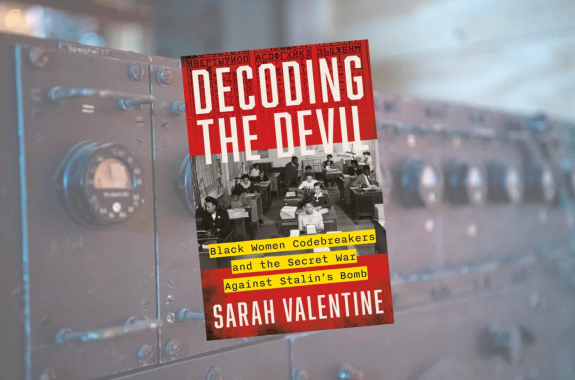
Joining the NSA’s hidden team of Black codebreakers in 1950
In “Decoding the Devil,” a woman named Iris joins a hidden NSA unit of Black codebreakers decoding Soviet messages during the Cold War.
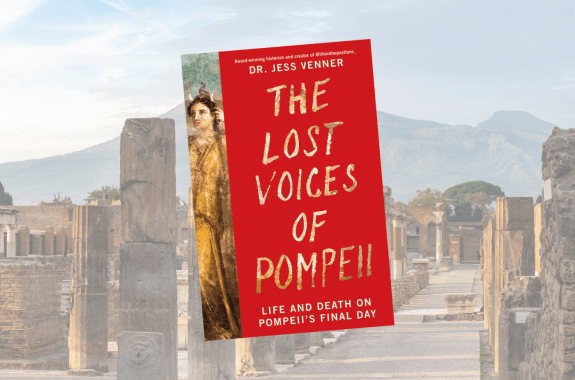
Before its catastrophic end, Pompeii was full of life
In “The Lost Voices of Pompeii,” ordinary people live their lives and seek to be remembered in the turbulent years before Mt. Vesuvius erupts.
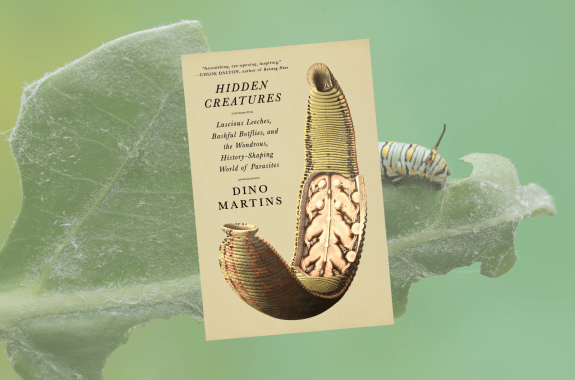
Tiny wasps emerge from a caterpillar, and reveal a hidden world
In “Hidden Creatures,” a young entomologist discovers the miraculous world of parasites when cocoons sprout from a caterpillar.
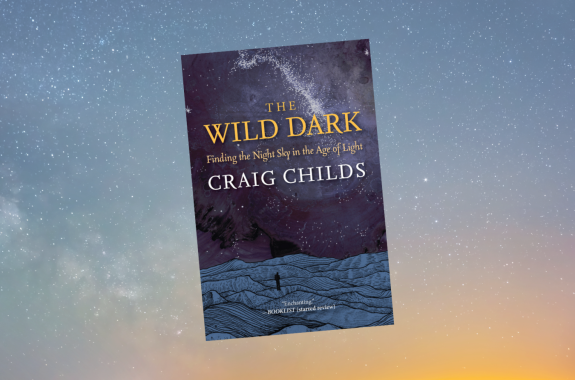
Learning to trust the night sky, one star at a time
In “The Wild Dark,” a young Craig Childs finds himself alone in a dark wilderness. As the Milky Way comes into focus, fear turns to wonder.