Subscribe to Science Friday
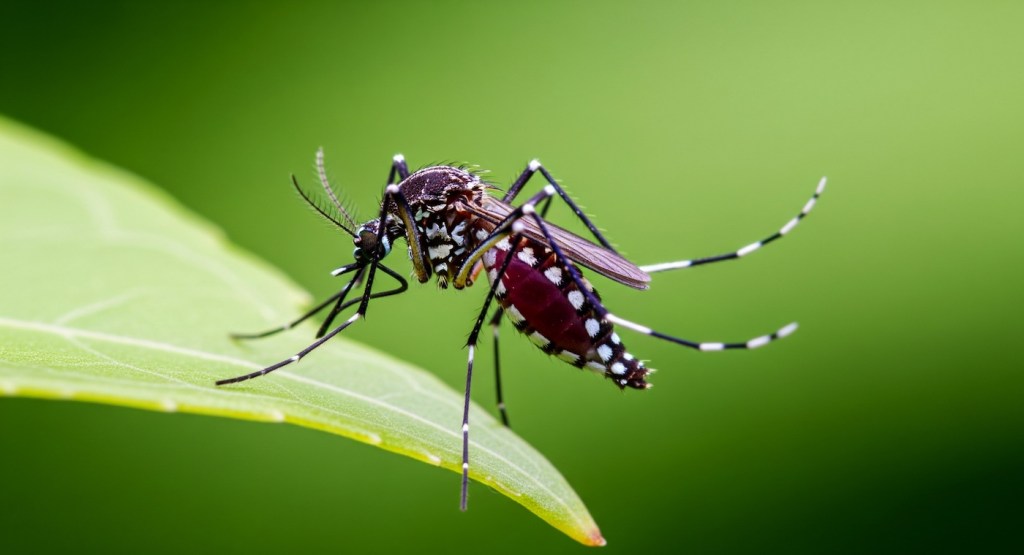
In Florida, three counties have declared states of emergency due to rising cases of dengue—a viral infection spread by mosquitos carrying the dengue virus. There have been around 1,000 cases in the state this year, making it the largest outbreak in the continental U.S. in decades.
But this is part of a larger story. Over the last couple of decades, the number of dengue cases has surged globally, and dengue is becoming more common in places it hasn’t historically been.
So what’s behind these shifts? And what public health measures should we be thinking about? Flora chats about this with epidemiologist Gabriela Paz-Bailey, chief of CDC’s dengue branch in San Juan, Puerto Rico.
Donate To Science Friday
Invest in quality science journalism by making a donation to Science Friday.
Segment Guests
Gabriela Paz-Bailey
Dr. Gabriela Paz-Bailey is an epidemiologist and chief of the dengue branch in the Division of Vector-Borne Diseases of the CDC. She’s based in San Juan, Puerto Rico.
Segment Transcript
The transcript is being processed. It will be available 2-3 days after this story’s publication date.
Meet the Producers and Host
About Rasha Aridi
Rasha Aridi is a producer for Science Friday and the inaugural Outrider/Burroughs Wellcome Fund Fellow. She loves stories about weird critters, science adventures, and the intersection of science and history.
About Flora Lichtman
Flora Lichtman is a host of Science Friday. In a previous life, she lived on a research ship where apertivi were served on the top deck, hoisted there via pulley by the ship’s chef.