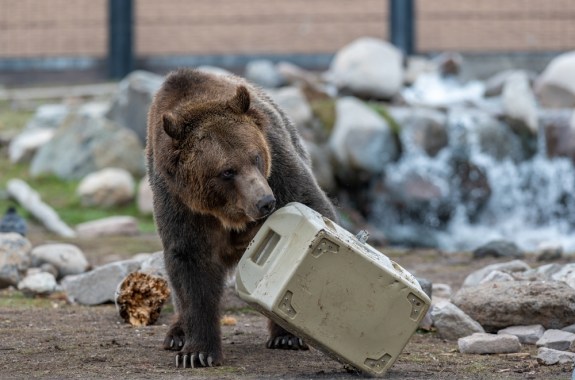
Is that garbage can bear resistant? These bears will find out
In the name of safety, test engineers turn pill bottles over to kids, launch dead chickens through jet engines, and let bears loose on coolers.
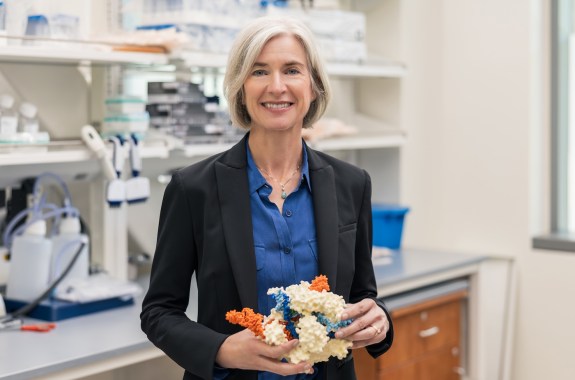
Jennifer Doudna on what it takes to be a good scientist
CRISPR pioneer Jennifer Doudna on the evolution of gene-editing technology, her own path, and what it takes to be a good scientist.
Everyone is calling for safer AI. So what does that mean?
Concerns about AI safety are growing. Two researchers explain what “alignment” means, and what questions remain.
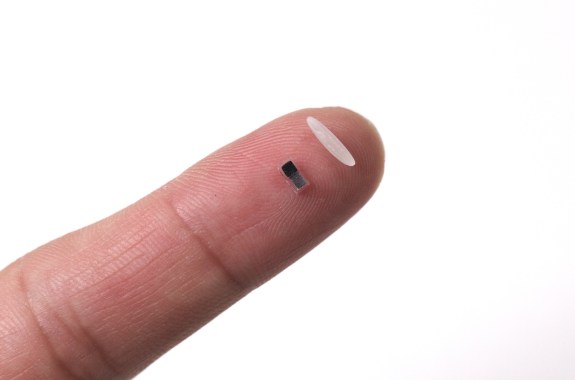
Bringing hard electronics into soft and squishy bodies
Inventor John Rogers bridges the natural and artificial worlds with flexible, biocompatible electronics.

Did the fire at the Library of Alexandria set humanity back?
Author Sam Kean explores our fascination with lost knowledge in his new book, “The Museum of Lost Things.”

Did scientists just find a dark matter particle? Maybe
The LUX-ZEPLIN detector picked up a strange signal that scientists haven’t cracked yet. Could it be a dark matter interaction?
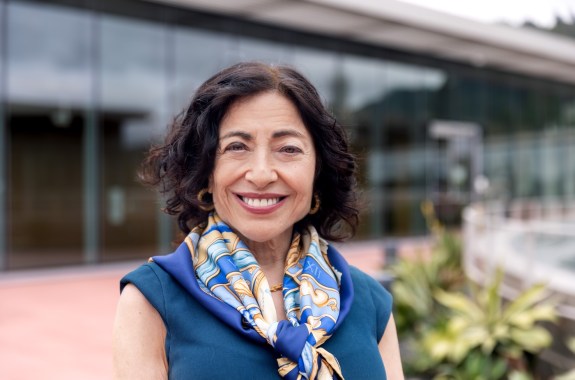
For Jennifer Chayes, math is a ‘native tongue’
Jennifer Chayes’ game-changing ideas in math and computer science helped pave the way for today’s innovations in machine learning and AI.
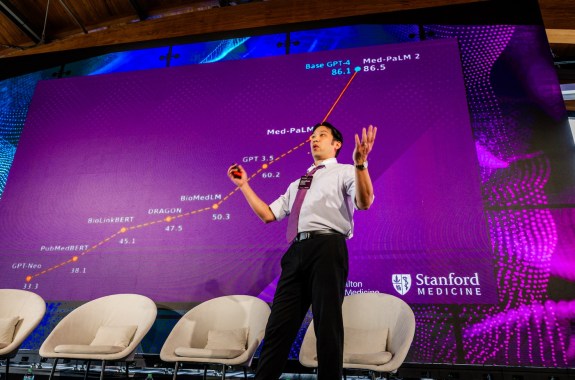
AI is everywhere in healthcare now. Doctors are conflicted
Medical AI tools are transcribing patient visits, responding to doctors’ questions, and analyzing scans. What are the benefits—and the risks?
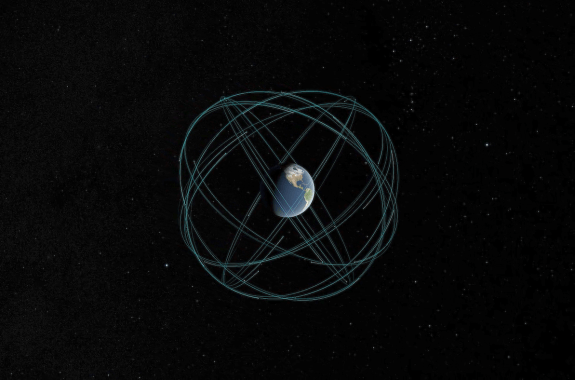
How GPS shaped our world
How GPS transformed from a niche military technology to one we rely on every day.
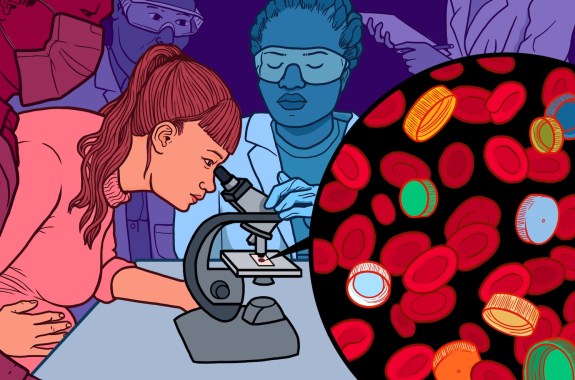
How do you figure out if microplastics are affecting pregnancy?
Microplastic researchers are trying to find answers about pressing health concerns while navigating the challenges of a new field of science.