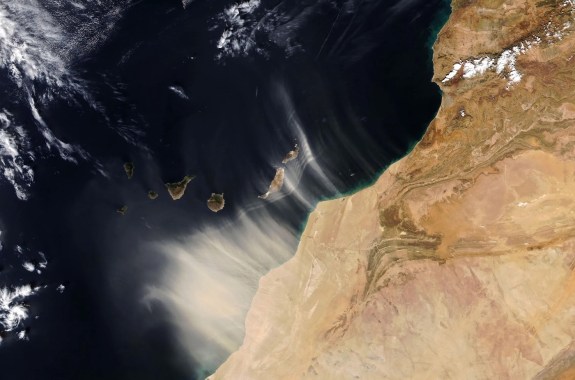
How dust traveling through the atmosphere shapes our world
An estimated 2 billion tons of dust are lofted into the air each year, affecting ecosystems, the atmosphere, and the weather.
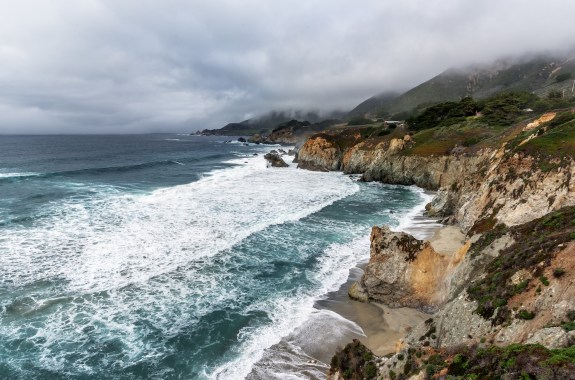
What is the Kelvin wave on the West Coast?
El Niño is driving a Kelvin wave up the West Coast, raising sea levels. What is it, and how does it work?

Ayana Elizabeth Johnson on making climate action cool
Climate leader Ayana Elizabeth Johnson reflects on this moment of the climate movement and why climate action should be fun.
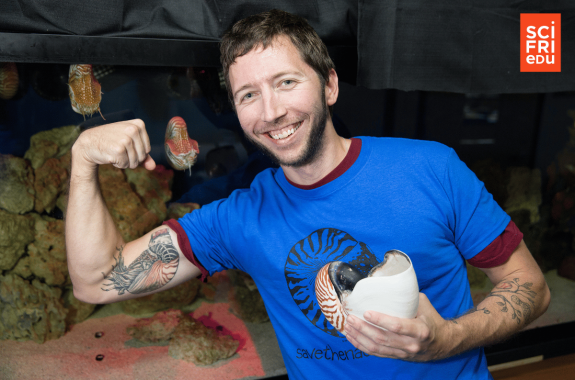
Discover the chambered nautilus with Dr. Gregory J. Barord
Join SciFri Educate on October 8 for a Cephalopod Week live Q&A about the ancient relative of the octopus and squid.
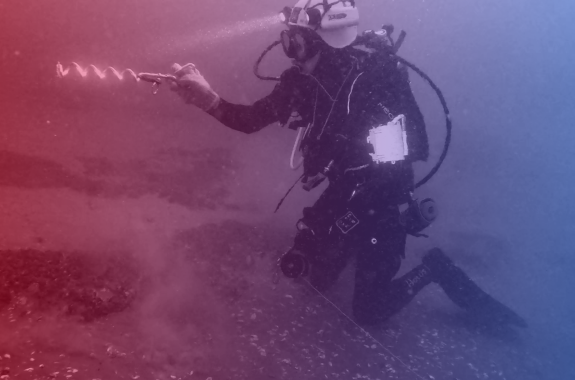
Underwater archeology reveals clues about Ice Age humans
At the end of the last ice age, glacial melt inundated human settlements near shorelines. Underwater archeologists are uncovering their artifacts.
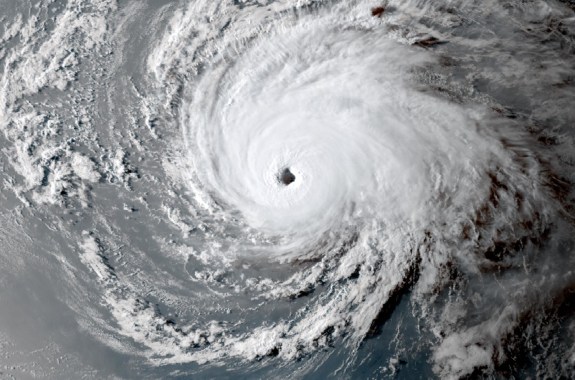
Climate change is increasing hurricane risk for Hawaiʻi
Hawaiʻi has generally been safe from the worst effects of hurricanes. But this year two hurricanes battered the islands in a matter of weeks.
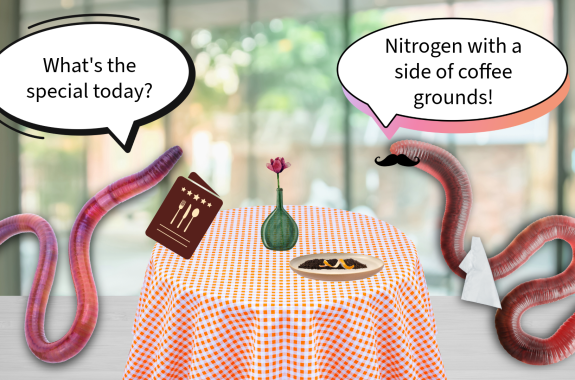
From scraps to soil: the dirt on the (not so lowly) worm
Turn your leftovers into new soil by building a worm farm to learn about composting, vermicomposting, and how decomposition works.
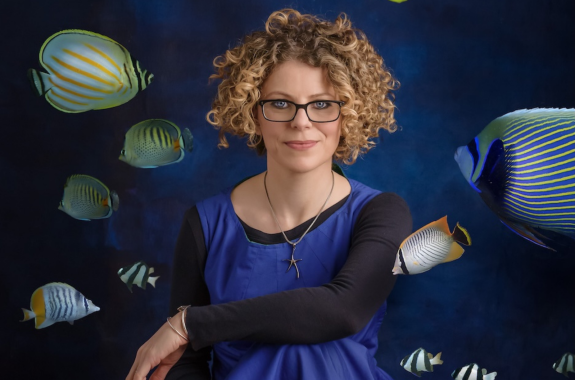
The power of the stories we tell about the ocean
The ocean is in trouble. But the sea has a hold on us, and the stories we tell about it are helping turn the tide.
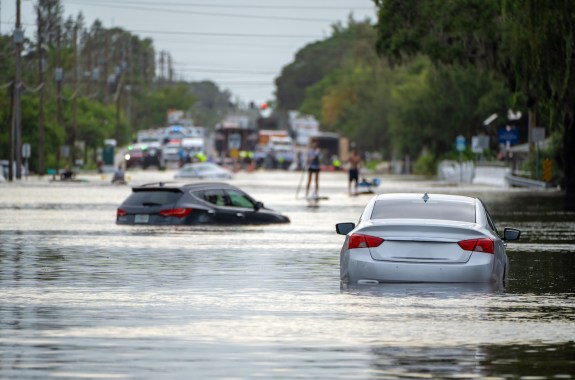
How much worse was that storm because of climate change?
We know that climate change causes weather to be more extreme, more often. Attribution science tries to nail down exactly by how much.
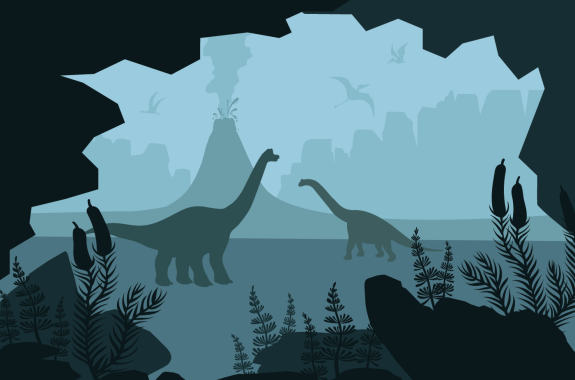
Could we live in a dinosaur world?
If you got sucked back to dino times, you might get snacked on by a giant meat-eater. But what other dangers would you face?