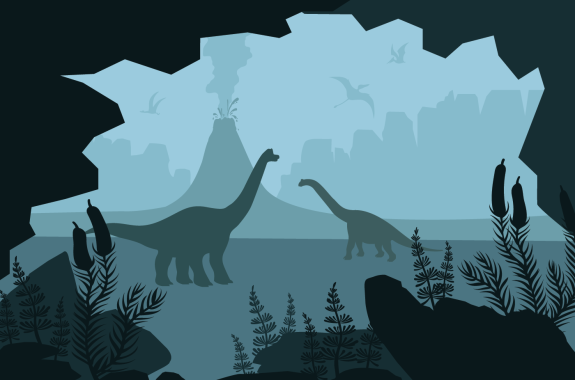
Could we live in a dinosaur world?
If you got sucked back to dino times, you might get snacked on by a giant meat-eater. But what other dangers would you face?
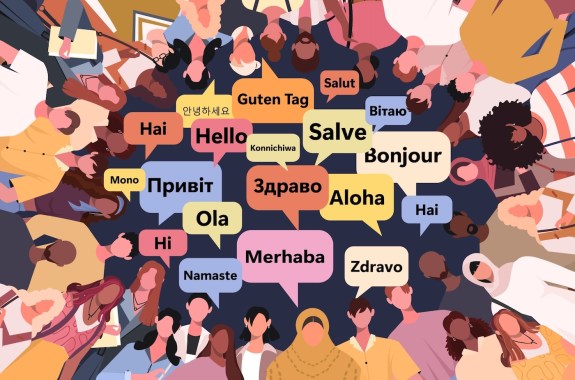
Researchers identify a ‘golden age’ of language diversity
At the peak of linguistic diversity, humans may have spoken up to 10 times as many languages as we do today.
What we get wrong about vaccine hesitancy
An immunologist who’s been on both sides of vaccine hesitancy talks about what drives it, what gets missed, and how to build trust.
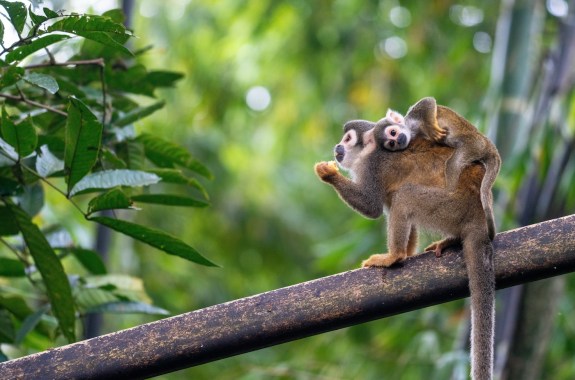
Some primates undergo even more extreme childbirth than humans
Scientists have long thought extreme childbirth was unique to humans. But some other primates appear to face similar anatomical challenges.
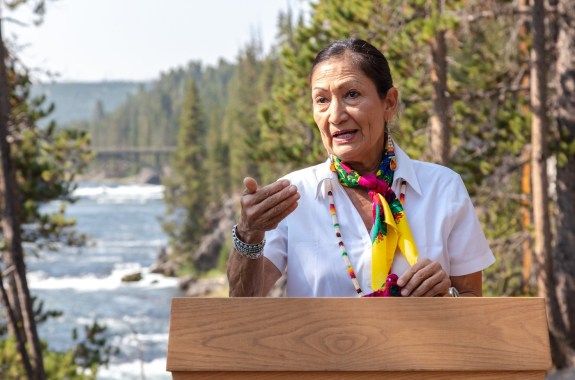
Deb Haaland is a politician, and proud of it
Former Interior Secretary Deb Haaland recounts her unconventional path into politics in a new book. And she tells us why lawsuits can be good.
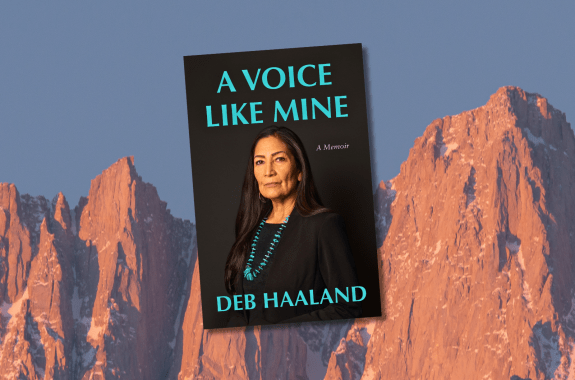
Finding political identity in nature and community
In “A Voice Like Mine,” Deb Haaland finds connection through running, and reflects on how we all have a role in the politics of community.
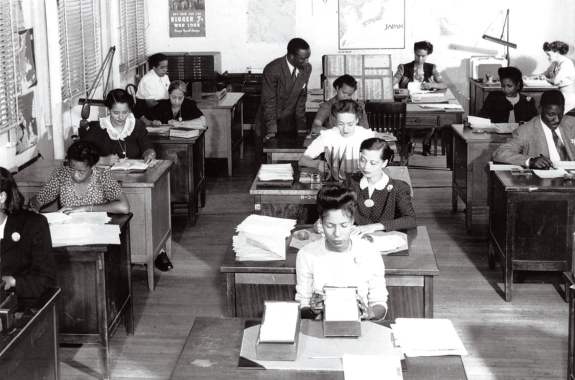
The Black women codebreakers of the Cold War
A new book tells the story of Black women cryptologists who deciphered Soviet telegrams intercepted during the early days of the Cold War.
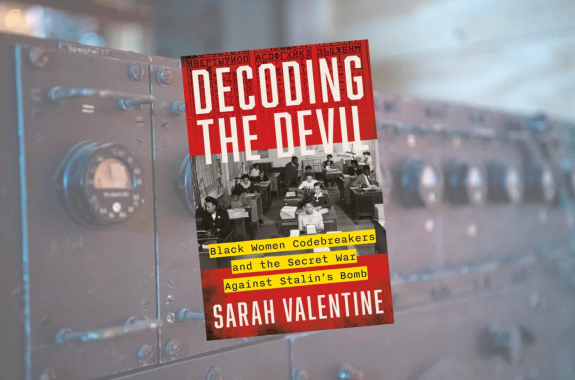
Joining the NSA’s hidden team of Black codebreakers in 1950
In “Decoding the Devil,” a woman named Iris joins a hidden NSA unit of Black codebreakers decoding Soviet messages during the Cold War.
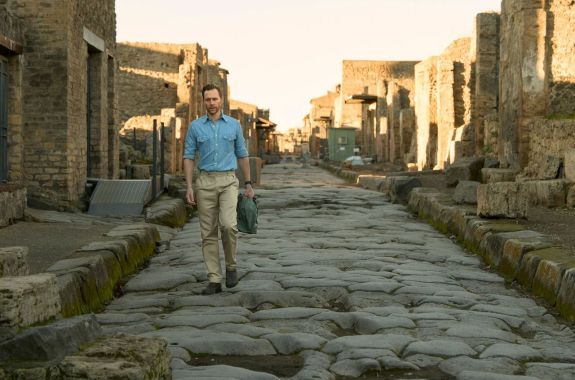
How do you piece together what life was like in Pompeii?
Archeologists are piecing together the lives of ordinary Pompeii residents, from a fish sauce entrepreneur to an enterprising businesswoman.
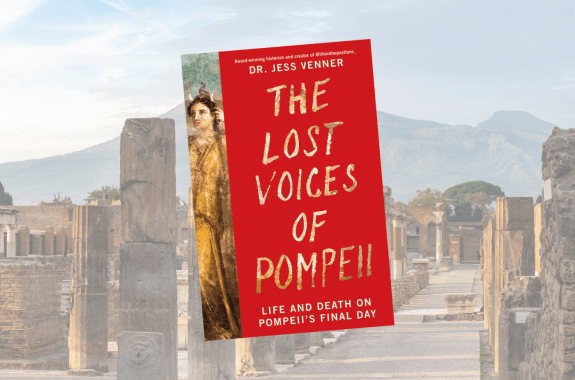
Before its catastrophic end, Pompeii was full of life
In “The Lost Voices of Pompeii,” ordinary people live their lives and seek to be remembered in the turbulent years before Mt. Vesuvius erupts.