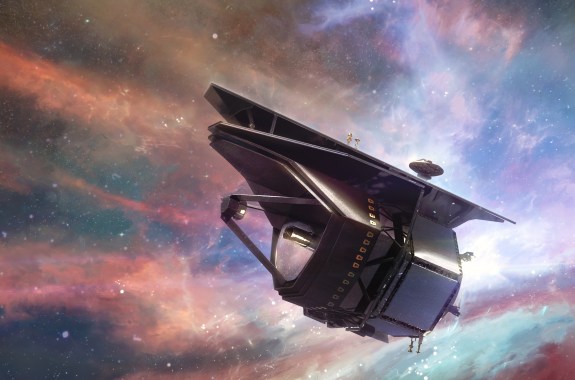
Getting the billion-dollar PRIMA space telescope off the ground
The proposed PRIMA space telescope just entered Phase B of its development. What does that mean?
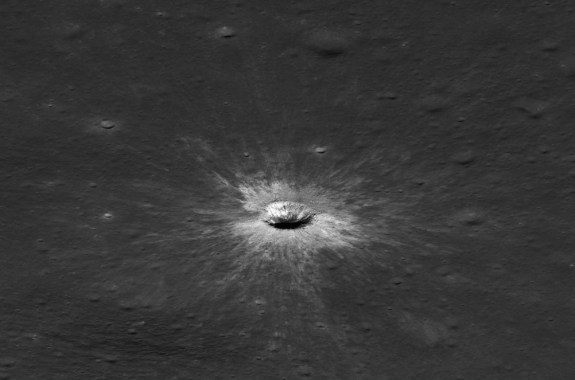
A new lunar crater + Searching for signs of alien technology
Scientists are learning more about a recent impact crater on the moon. Plus, hunting for extraterrestrial life through technological clues.

Did scientists just find a dark matter particle? Maybe
The LUX-ZEPLIN detector picked up a strange signal that scientists haven’t cracked yet. Could it be a dark matter interaction?
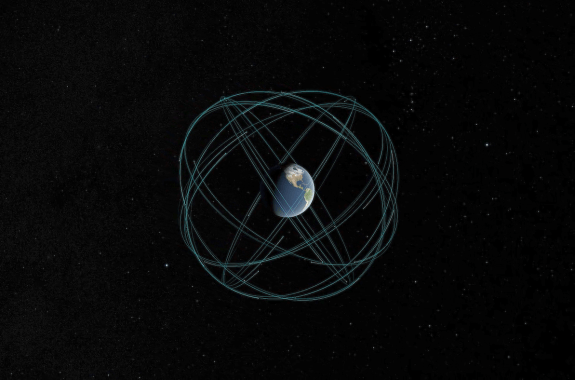
How GPS shaped our world
How GPS transformed from a niche military technology to one we rely on every day.
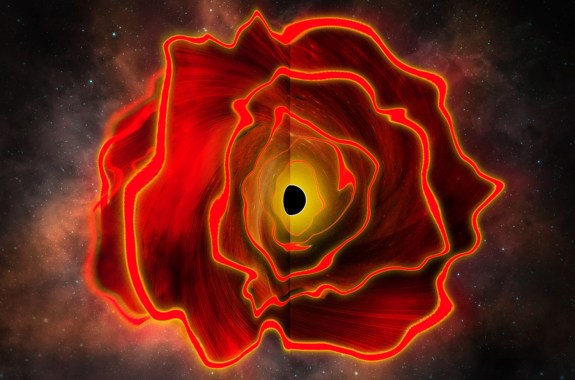
What are the mysterious ‘little red dots’ in images of space?
Little red dots appear all over images from the James Webb Space Telescope. They may belong to a new cosmic category called black hole stars.
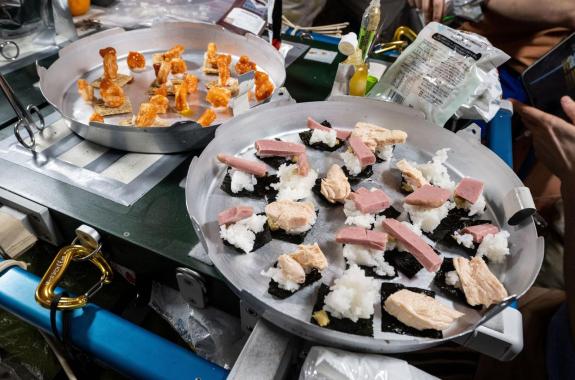
How can astronaut food be better?
As NASA plans for longer spaceflights to the moon and Mars, a better menu is important both nutritionally and psychologically.
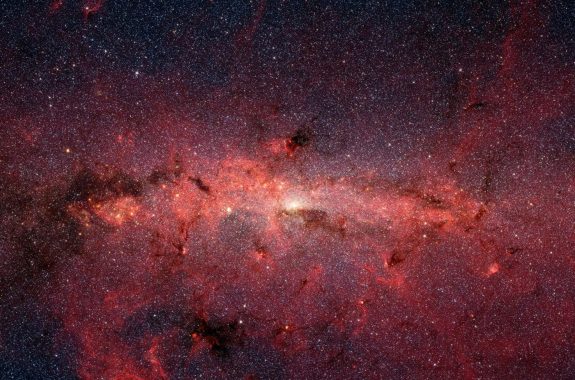
Peering through dust clouds to the center of the galaxy
Andrea Ghez developed a way to peer through dust clouds and observe stars orbiting the supermassive black hole at the center of the Milky Way.
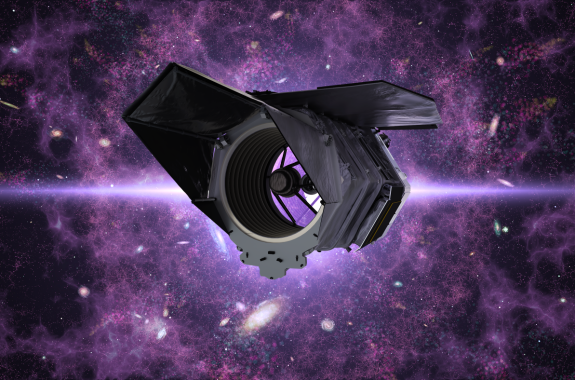
A space telescope launch + Alvin submersible check-up
The Nancy Grace Roman Space Telescope is slated for launch in August. Plus, routine maintenance for the Alvin deep-sea submersible is no joke.
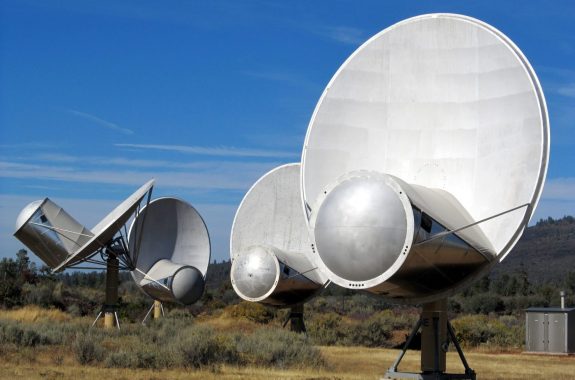
What will our reaction be when we discover aliens?
The sci-fi movie “Disclosure Day” predicts that our reaction to intelligent alien life will be chaotic. But what does the science say?
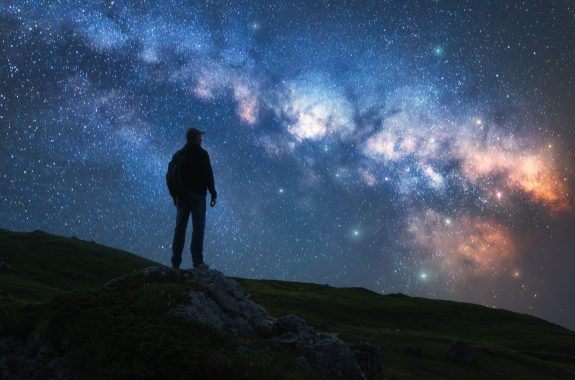
Reconnecting with the night sky and reining in light pollution
Writer Craig Childs biked from the brightest sky to the darkest in our Book Club pick “The Wild Dark.” Plus, the latest on light pollution.