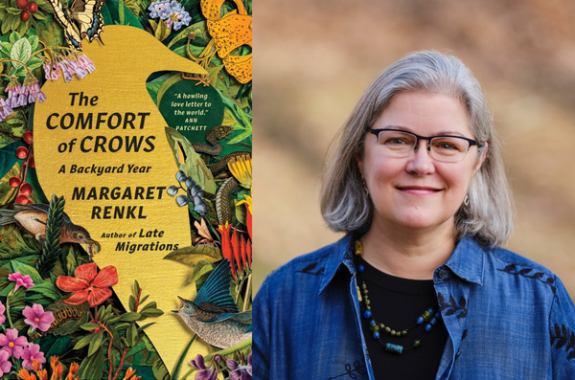
Celebrate the rythmn of the natural world with Margaret Renkl
On November 20, SciFri Book Club will talk live with Renkl about her book, “The Comfort of Crows” and finding joy in nature.

Ayana Elizabeth Johnson on making climate action cool
Climate leader Ayana Elizabeth Johnson reflects on this moment of the climate movement and why climate action should be fun.
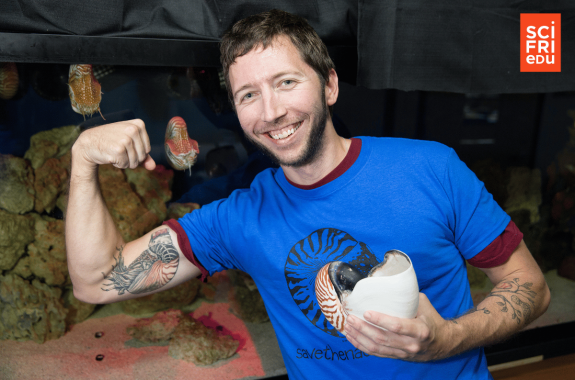
Discover the chambered nautilus with Dr. Gregory J. Barord
Join SciFri Educate on October 8 for a Cephalopod Week live Q&A about the ancient relative of the octopus and squid.
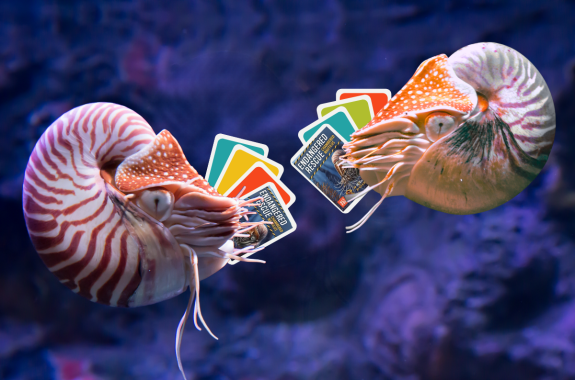
Play this game to build critical thinking and science literacy
This facilitator’s guide for “Endangered Rescue: Chambered Nautilus” offers expert tips for sharing escape room-style games with learners.
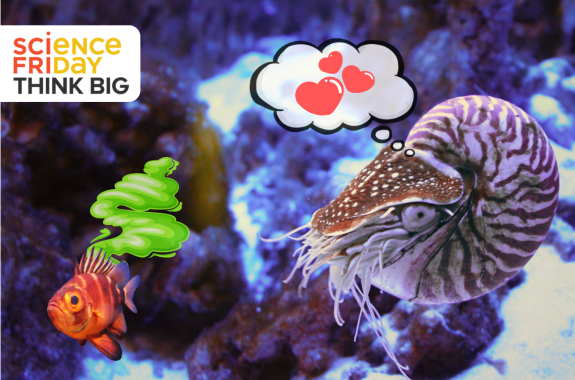
Can a living fossil learn new tricks? Meet the nautilus!
With poor eyesight, the chambered nautilus hunts by smell. Explore how a blue-light experiment revealed mysteries of the cephalopod’s memory.
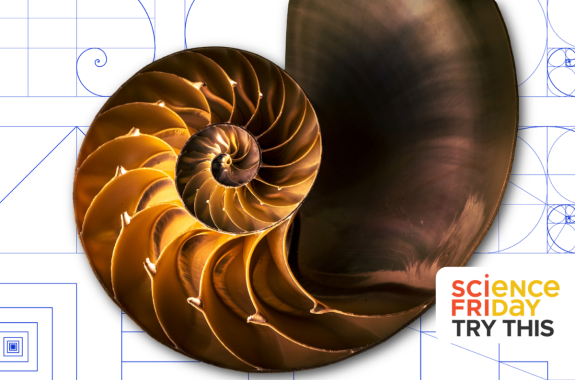
Myth or math? Is the nautilus shell’s golden ratio real?
Grab a ruler, crunch the length-to-height ratios, and use the Fibonacci sequence to test whether this famous spiral is truly golden.
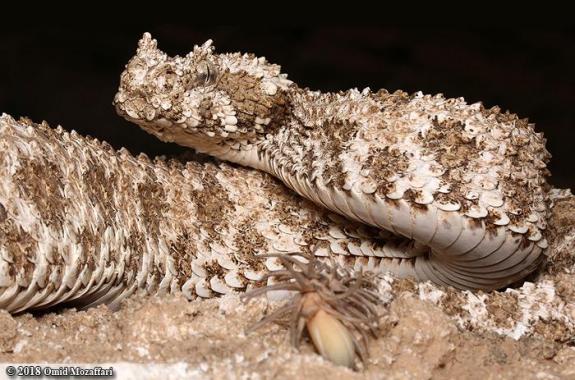
The inner secrets of a snake with a spider on its tail
The spider-tailed horned viper uses an unusual appendage to lure in birds. Researchers looked inside the spidery tail.
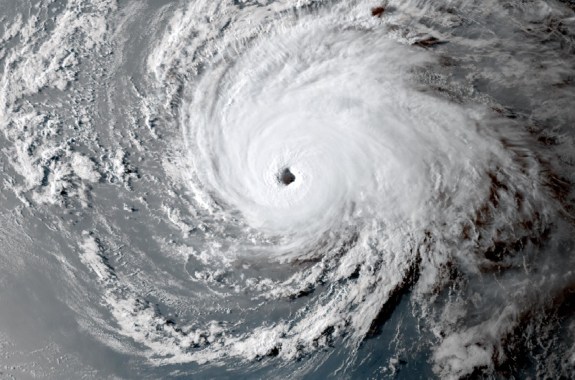
Climate change is increasing hurricane risk for Hawaiʻi
Hawaiʻi has generally been safe from the worst effects of hurricanes. But this year two hurricanes battered the islands in a matter of weeks.
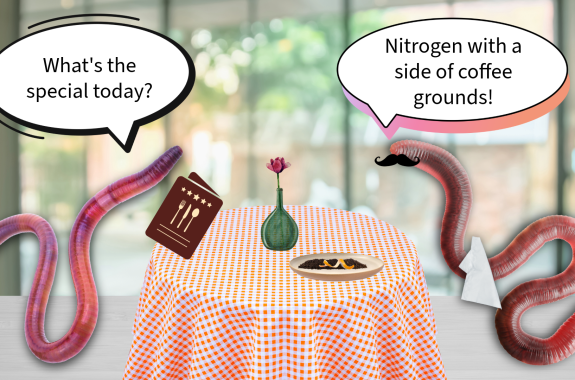
From scraps to soil: the dirt on the (not so lowly) worm
Turn your leftovers into new soil by building a worm farm to learn about composting, vermicomposting, and how decomposition works.

What would a Jurassic forest sound like?
Using fossil records and AI tools, scientists reconstructed a soundscape of a Jurassic forest, complete with ancient katydid calls.