Audio
Listen to Science Friday live on Fridays, or listen to our daily podcast
BROADCASTS
Listen to the full 2-hour Science Friday broadcast, from last week or any week you like.
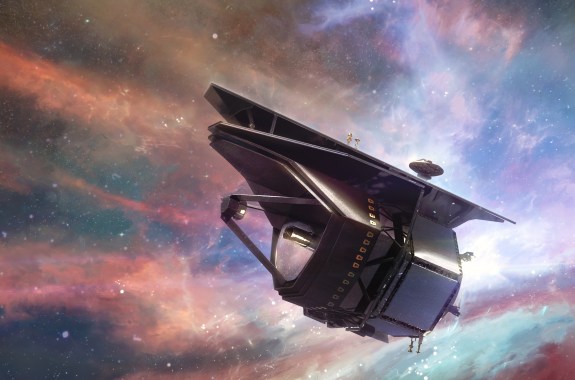
Getting the billion-dollar PRIMA space telescope off the ground
The proposed PRIMA space telescope just entered Phase B of its development. What does that mean?
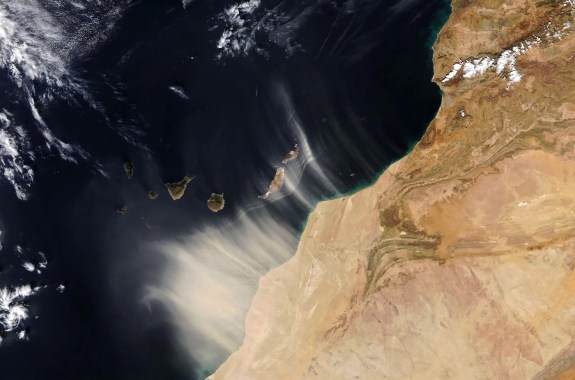
How dust traveling through the atmosphere shapes our world
An estimated 2 billion tons of dust are lofted into the air each year, affecting ecosystems, the atmosphere, and the weather.

The science and politics of the new mRNA flu vaccine
A new mRNA flu vaccine promises a closer match to circulating flu strains. But dysfunction at federal health agencies is complicating rollout.
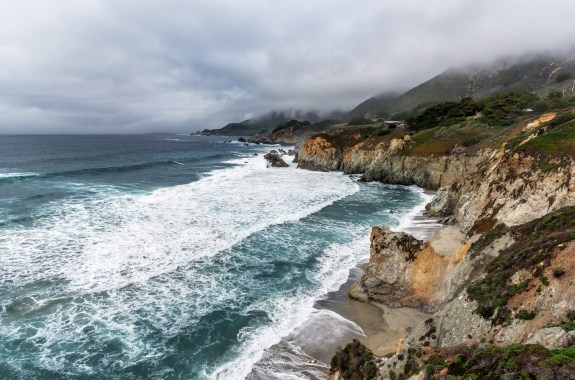
What is the Kelvin wave on the West Coast?
El Niño is driving a Kelvin wave up the West Coast, raising sea levels. What is it, and how does it work?
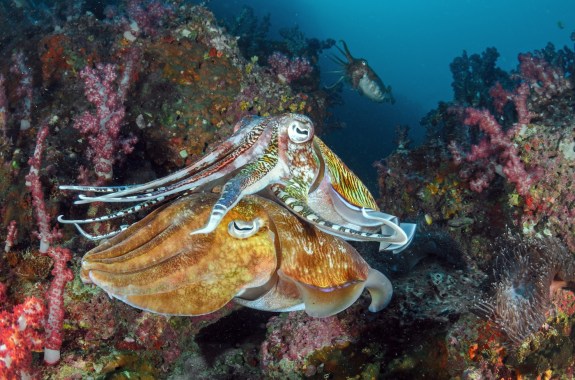
The punk rock life of cephalopods
This Cephalopod Week, we’re talking death spirals, cannibalism, and giant squid dissection.
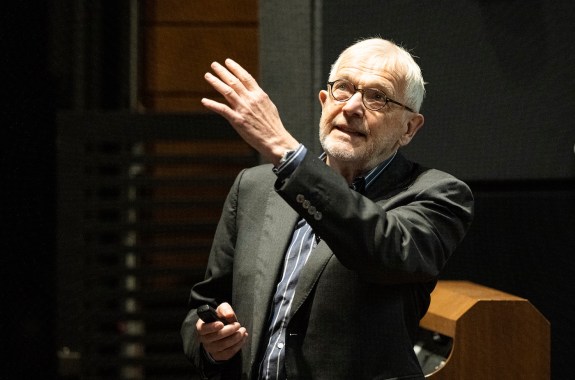
The Nobel winner searching for deep-space neutrinos in Antarctica
In 2013, Francis Halzen spoke with Ira about the IceCube Neutrino Observatory. This week, Halzen won the Nobel Prize.
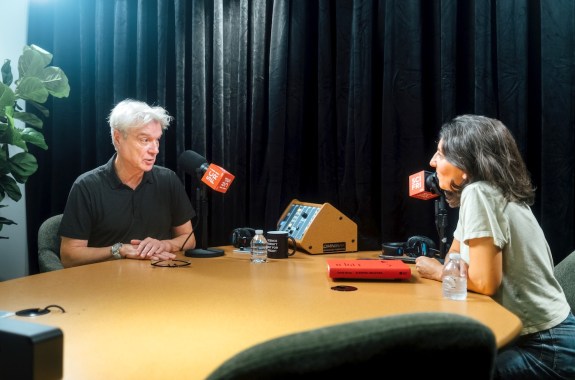
How important ideas get reawakened, with David Byrne
Why do some breakthroughs go dormant—and then wake up? Watch Flora’s interview with artist David Byrne about these “sleeping beauties.”
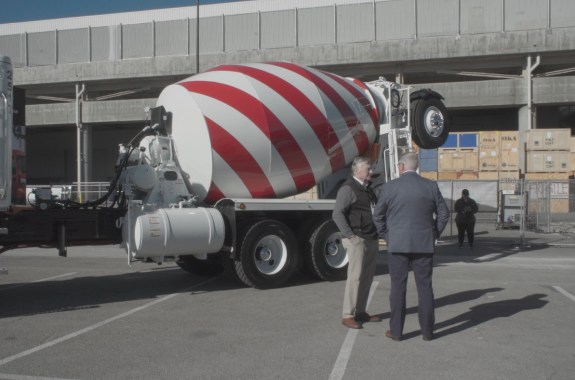
‘The History of Concrete’ with John Wilson
John Wilson’s latest feature film, “The History of Concrete” is an idiosyncratic journey about more than just concrete.

The science of the LA Rams’ high-risk, high-reward jet lag strategy
To prepare for an overseas game, the LA Rams tried a Hail Mary jet lag strategy. They lost, but were they onto something?
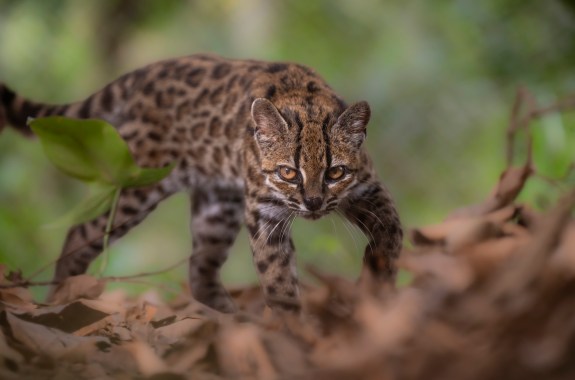
The tilcayo is the new wild cat on the block
The tiny, 3-pound tilcayo is the first cat species to be described in a century. And yes, it is as cute as you’d think.