Charles Bergquist
Director and Senior Producer
As Science Friday’s director and senior producer, Charles Bergquist channels the chaos of a live production studio into something sounding like a radio program. He coordinates in-studio activities each week from 1-4. And then collapses. He also produces pieces for the radio show. His favorite topics involve planetary sciences, chemistry, materials, and shiny things with blinking lights.
Charles has been at Science Friday longer than anyone on staff except Ira, and so serves as a repository of sometimes useful, sometimes useless knowledge about the program. He remembers the time an audience member decided to recite a love poem during a live remote broadcast, the time the whole staff went for ice cream at midnight in Fairbanks, Alaska, and the name of that guy Ira is trying to remember from a few years back who did something with space.
He hails from southeastern Pennsylvania and worked for a while as a demonstrator at the Franklin Institute, Philadelphia’s science museum (favorite devices: Maillardet’s Automaton, the stream table, the Chladni plates). He has a degree in chemistry from the University of Delaware, home of the Fighting Blue Hens, and a master’s in journalism from New York University’s Science, Health, and Environmental Reporting Program. However, he attended the program prior to the addition of ‘Health’ to its name, which may explain his slight unease when covering medical topics.
Outside the walls of Science Friday, he enjoys backpacking, camping, cooking not-entirely-healthy things, reading escapist fiction, and trying to unravel his children’s complicated stories.

Scientists are learning more about a recent impact crater on the moon. Plus, hunting for extraterrestrial life through technological clues.

Inventor John Rogers bridges the natural and artificial worlds with flexible, biocompatible electronics.
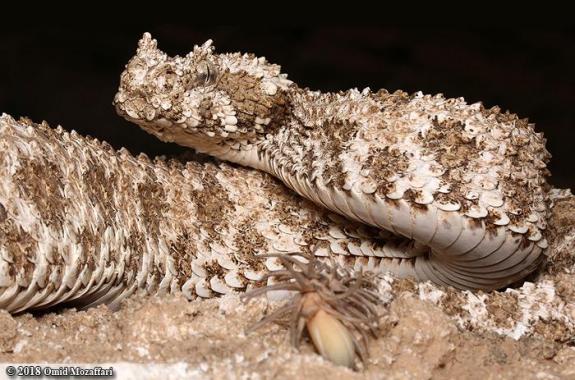
The spider-tailed horned viper uses an unusual appendage to lure in birds. Researchers looked inside the spidery tail.
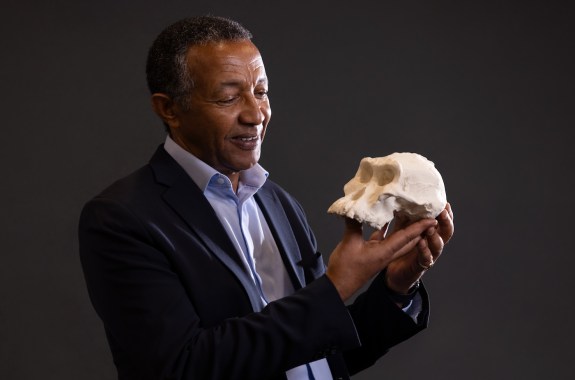
Yohannes Haile-Selassie has a talent for spotting fossils, and has discovered ancestors on several branches of the human family tree.

Physicist Carlo Rovelli urges conversations between physics and philosophy in a search for answers about the universe.

Jennifer Chayes’ game-changing ideas in math and computer science helped pave the way for today’s innovations in machine learning and AI.
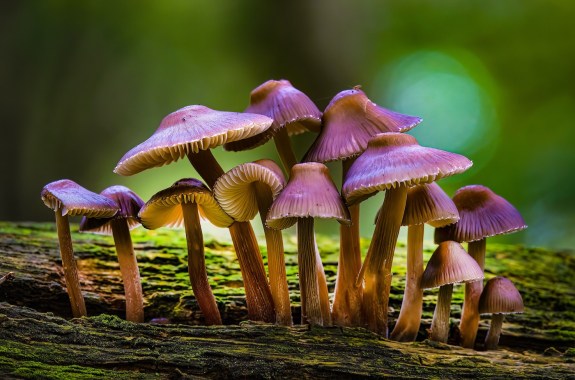
One of the world’s largest organisms is an Oregon fungus thought to be over 8,000 years old. But what does age mean to a fungus, anyway?
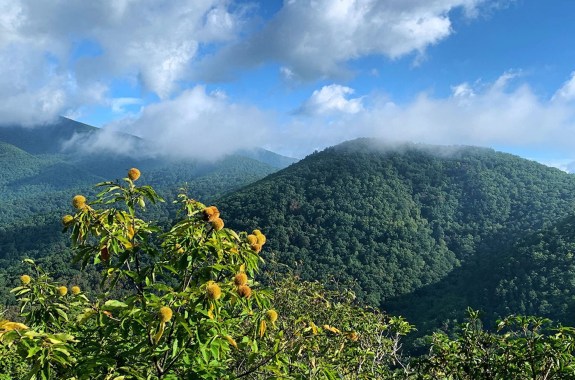
In a conversation from February, how genetic research could speed up the restoration of the American chestnut tree.
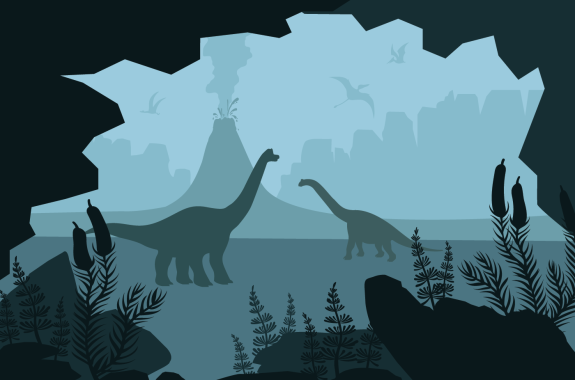
If you got sucked back to dino times, you might get snacked on by a giant meat-eater. But what other dangers would you face?
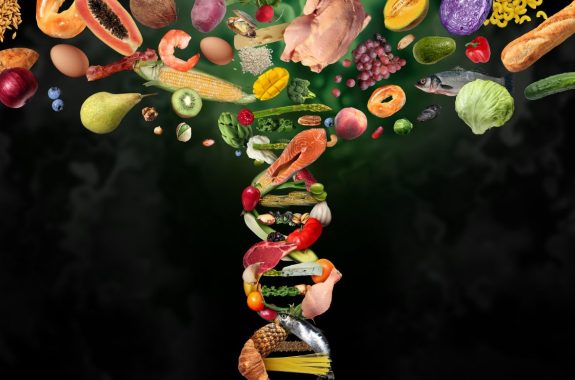
DNA signatures of plant and animal species remain behind even after they’ve been eaten, digested, excreted, and flushed down the toilet.