John Dankosky
Editorial Director
John leads the audio team that creates our weekly radio show and daily podcast.
John loves working on journalism collaborations. He helped build our State of Science Reporting Network; brought together 18 stations across the Northeast to cover environmental issues; a project which eventually led to the New England News Collaborative; worked with NPR on their Collaborative Coverage Project; and hosted the national collaborative talk program America Amplified.
For 25 years, John oversaw news programming at WNPR, where he started the daily talk show, Where We Live. He’s also produced award-winning long-form documentaries on mental health and elder care, and reported hundreds of short stories for NPR and public radio stations. These covered everything from politics to PFAS to basketball shoes, including one story about virtual reality in dentistry that’s actually pretty embarrassing to listen to now.
You might know his voice as a long-time guest host on Science Friday, and you can still see him periodically hosting live events for The Connecticut Mirror.
He and his wife and their three cats live in the sleepy Northwest hills of Connecticut, where they run LAM Yoga, a small studio that leads international yoga retreats. But John grew up in Pittsburgh, and is as big a Mr. Rogers fan as you’ll find anywhere.
7:13
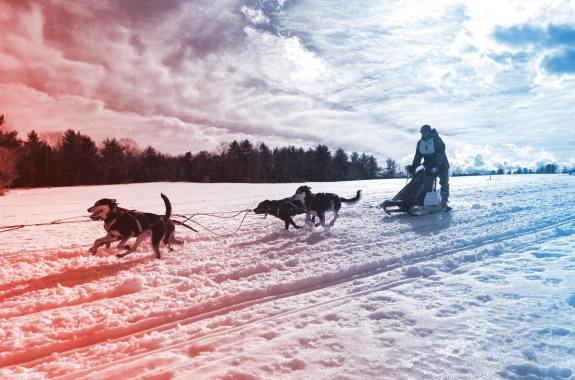
At the World Championship Sled Dog Derby, warm weather played an unwanted star role.
9:57
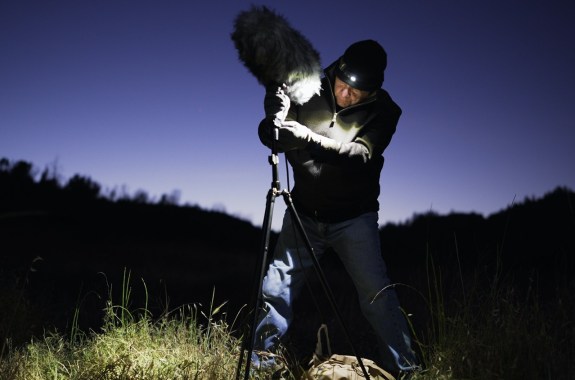
Human activity is erasing the natural soundscape, says Bernie Krause, a former musician turned ecologist.
12:09
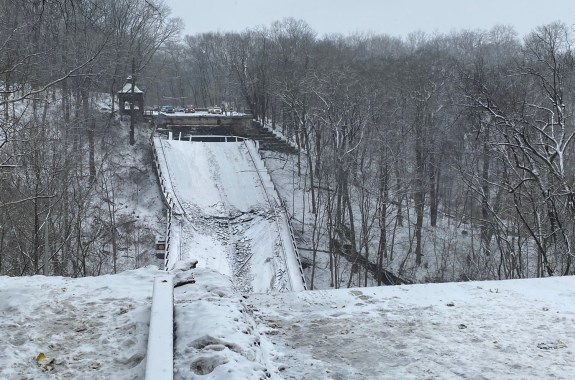
Larger vehicles, increased traffic, and climate change are putting pressure on America’s aging infrastructure. How did things get so dire?
7:50
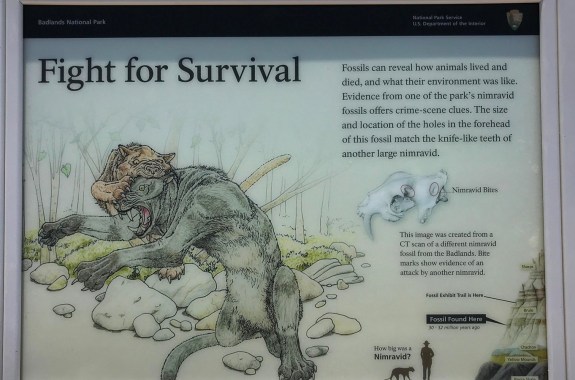
A combination of factors led to a period known as the “Cat Gap,” a stretch of 6.5 million years where there were no cats or cat-like animals living in North America.
9:36
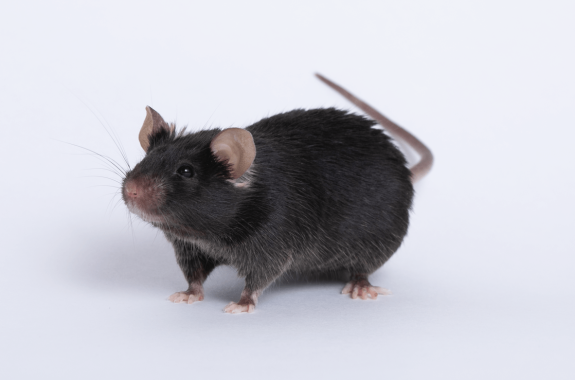
Despite mice’s genetic similarity to humans, treatments that work in mice often don’t work in humans.
7:50
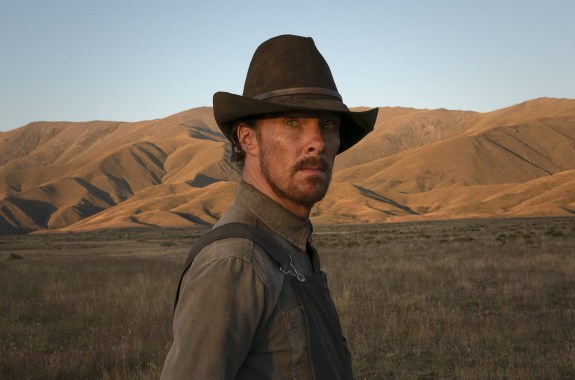
A leading contender for an Oscar for Best Picture has a somewhat hidden science theme.
9:26
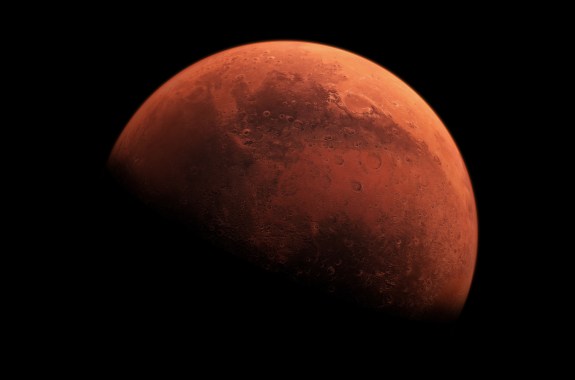
A planetary scientist explores the history of Mars in her book, “The Sirens of Mars.”
2:23
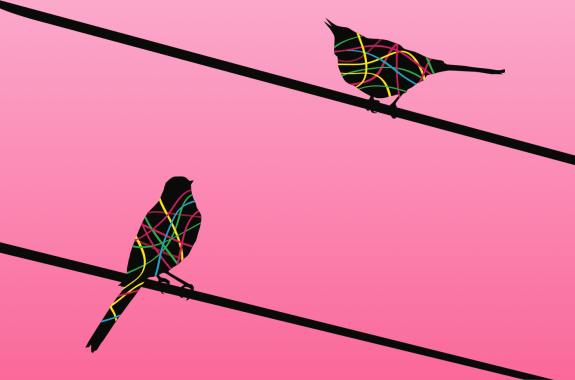
Listen to the many non-vocal sounds that birds use to communicate.

2:00
Some black holes sound like a wobbling top, while others rumble in low bass tones. Listen to them yourself, thanks to MIT professor Scott Hughes.
11:48
Plus, scientists discover a new species of millipede that actually lives up to its name.