On Today's Podcast
What was life like for Tyranossaurus rex?
T. rex may be the most famous prehistoric predator, but their life wasn’t always bone-snapping chomps and food chain scaremongering.
Listen NowOctober 23, 2026
CRISPR pioneer Jennifer Doudna discusses the evolution of gene-editing technology and what it takes to be a good scientist. Timekeepers around the world voted to stop using leap seconds, but what does that mean for us? Plus, how "problem bears" help test engineers evaluate consumer products, author Kazuo Ishiguro on emotional truth in our age of AI, and the science of apple varieties.
17:22
For Planet-Seekers, a Cautionary Tale
The tale of the planet Vulcan’s “discovery”—and destruction at the hands of Einstein—may hold lessons for today’s planet-hunters.

Discovering Planet Vulcan
The story of how a country doctor thought he found a new planet in the solar system.
16:49
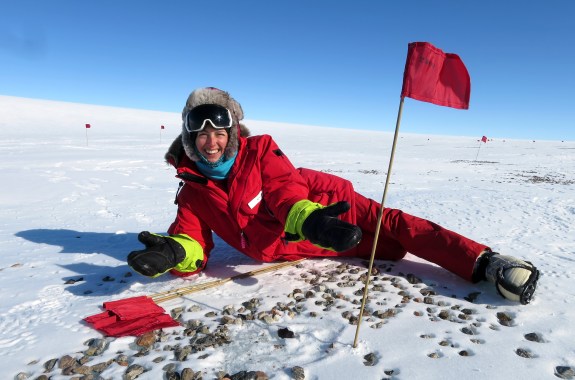
Confessions of a Meteorite Hunter
Meteorite hunter Nina Lanza reports back from six weeks scouring the Antarctic ice for space rocks.
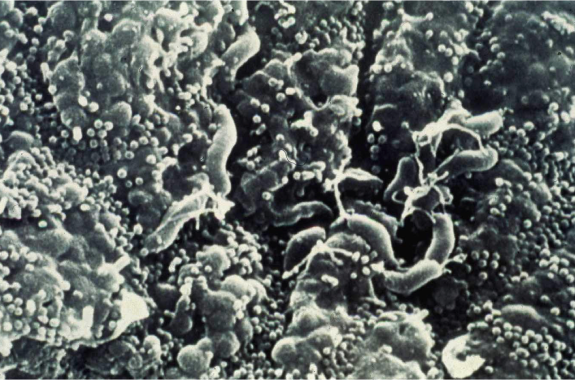
The Bacterium Disappearing From Our Stomachs
A primer on the gut bacterium Helicobacter pylori, and the controversy surrounding it.

Oliver Sacks: Under the Influence
Oliver Sacks was wealthy in friends, mentors, and other inspiring companions. Let’s meet a few of them.
Ira-Witness News: Climate Change Skeptic Meteorologist Feels the Heat
In an interview with Yale Climate Connections, meteorologist Greg Fishel explains how he came to accept anthropogenic climate change.

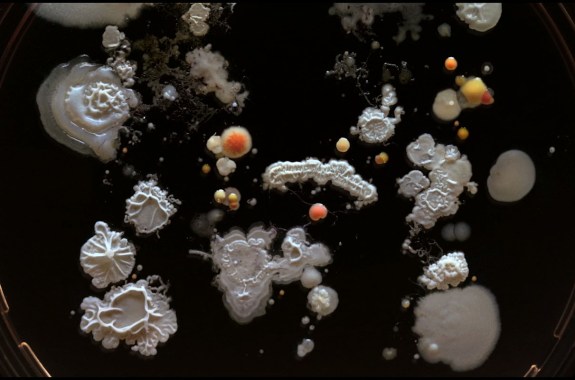
Make A Home For Microbes To Understand Their Behavior
Build a home for microbes as you create a Winogradsky column, a simple ecosystem for bacteria and other microorganisms.
The Week-After SciFri Quiz! 1/26/16
How much do you know about Planet Nine and prehistoric violence?
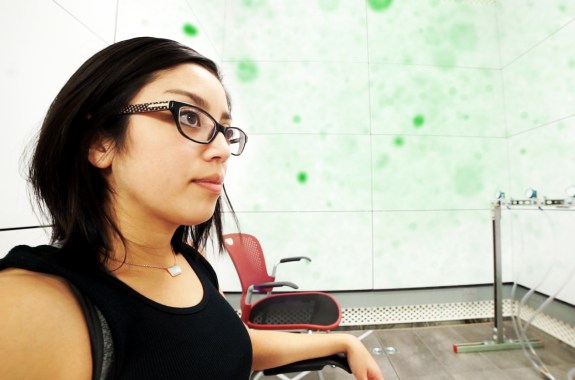
Your Very Special Microbial Cloud
At the Biology and the Built Environment Center at the University of Oregon, researchers have revealed that not only can they detect and catalog the microbial cloud of someone in a room, but each person’s cloud is unique.
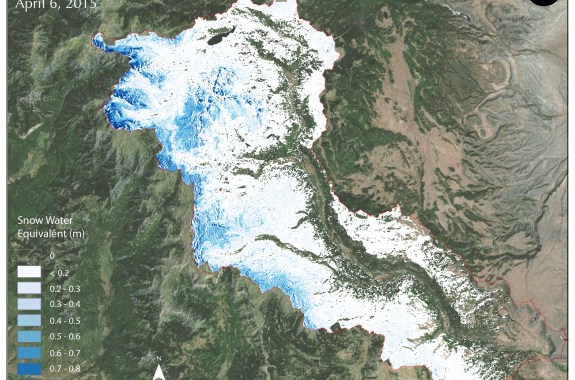
Can the ‘Godzilla’ El Niño’ Solve California’s Drought Problem?
The effects of El Niño may only be a down payment on a drought with a huge mortgage to pay off.
12:07
PCB Contamination, Space Flowers, and Python Removal
High levels of toxic polychlorinated biphenyls are showing up in European marine mammals. Plus, a look at the pros and cons of a public python removal competition.
12:09
To Compose the Perfect Bite, Listen to Your Food
Dan Pashman, host of WNYC’s The Sporkful podcast, tells us how sound can influence the taste of your food, prevent cooking mishaps, and help you to compose the perfect bite.
7:22
Digging Deep Into the Crust of the Earth
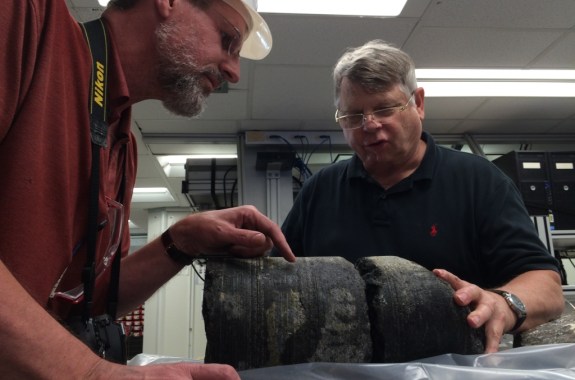
Researchers are drilling through the earth’s crust to learn about the formation of the planet.

The Bodybuilder: Oliver Sacks’ Days on Muscle Beach
The renowned neurologist remembers his bodybuilding days on Venice, California’s Muscle Beach.

8:43
Read ‘On the Move’ With the #SciFriBookClub
The SciFri Book Club celebrates Oliver Sacks’ literary legacy by reading his autobiography, “On the Move.”
SciFri Book Club Meetup: New York Botanical Garden
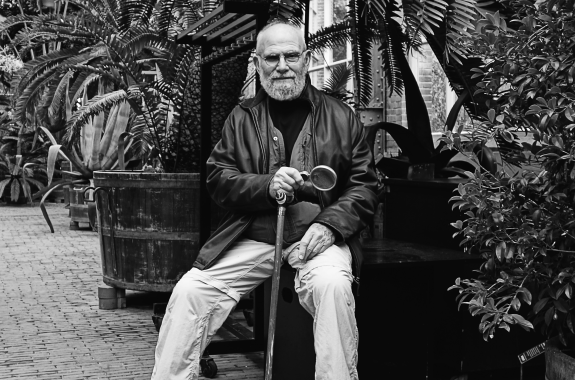
Discuss Oliver Sacks’ “On the Move” with fellow SciFri Book Clubbers at the New York Botanical Garden.

17:13
Somewhere Out There, Planet Nine
Researchers calculate that there may be a large undiscovered ninth planet lurking in the distant reaches of our solar system.
17:21
Archaeological Find Points to Ancient Human Violence
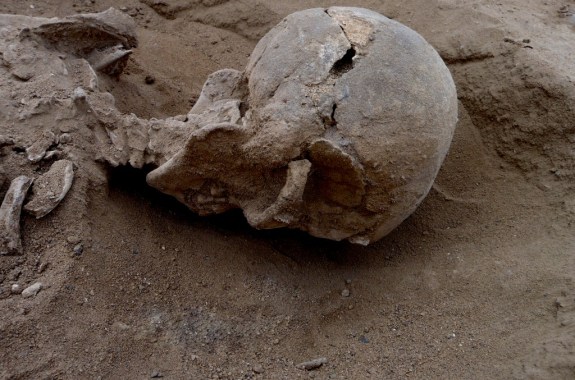
Archaeologists report the discovery of evidence for a 10,000-year-old massacre.

10:17
Does Apple Deserve Its Reputation for Good Design?
Apple’s former Human Interface Evangelist argues that the company is “destroying design.”