On Today's Podcast
Isabella Rossellini on how acting connects to animal cognition
Should we anthropomorphize animals or not? An actor and an ecologist share what they’ve learned about animal cognition.
Listen NowOctober 23, 2026
CRISPR pioneer Jennifer Doudna discusses the evolution of gene-editing technology and what it takes to be a good scientist. Timekeepers around the world voted to stop using leap seconds, but what does that mean for us? Plus, how "problem bears" help test engineers evaluate consumer products, author Kazuo Ishiguro on emotional truth in our age of AI, and the science of apple varieties.
11:53
The Mysterious Flicker Behind Star KIC 8462852
Astronomers explore theories behind a distant star with a mysterious glow, including swarming comets and alien megastructures.
17:27
Government Glitches: What Happens When IT Projects Fail
Bob Charette reflects on a decades-worth of IT fails in government and what can be done to improve the outcome of these projects.
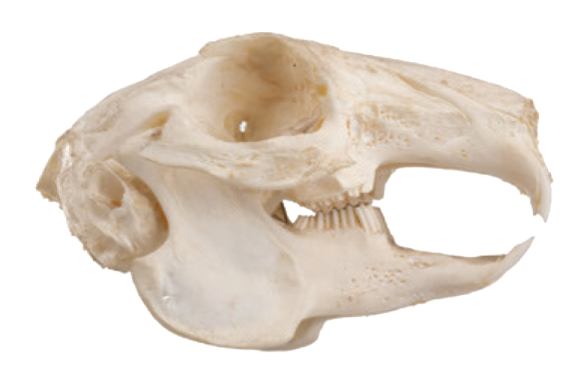
Cosmic Connections: Dark Matter and the Dinosaurs
An excerpt from “Dark Matter and the Dinosaurs.”
16:32
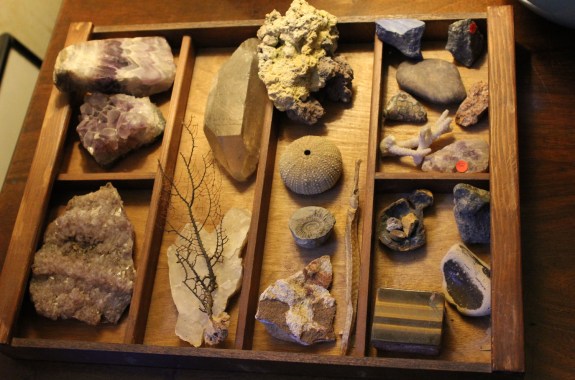
Build A Cabinet Of Curiosities
In his book “Cabinet of Curiosities,” nature writer Gordon Grice shares tips for building your own natural history collection.
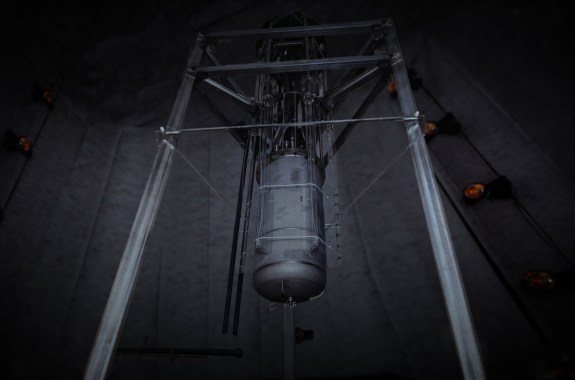
The Hunt for Dark Matter
Deep in an abandoned gold mine in rural South Dakota, a team of physicists are hunting for astrophysical treasure.
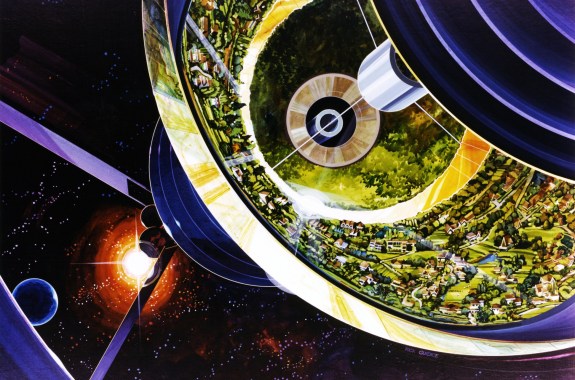
This ’70s Artist Painted Our Future In Space
Forty years ago, artist Rick Guidice teamed up with NASA scientists to envision the space civilizations of the future.
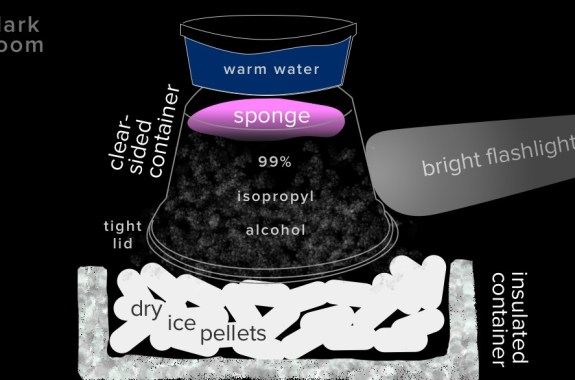
Build A Cloud Chamber
Observe the radioactive particles all around you by building a cloud chamber using a clear container, dry ice, and a little rubbing alcohol.

Science Friday Goes to St. Paul
On November 3rd, Science Friday will join Minnesotans to talk the science of superheroes.
12:09
Sexual Harassment Allegations, Doggie Dementia, and Cuban Internet
BuzzFeed News science reporter Azeen Ghorayshi talks about the sexual harassment accusations against astronomer Geoff Marcy, as well as other selected short subjects in science.
22:40
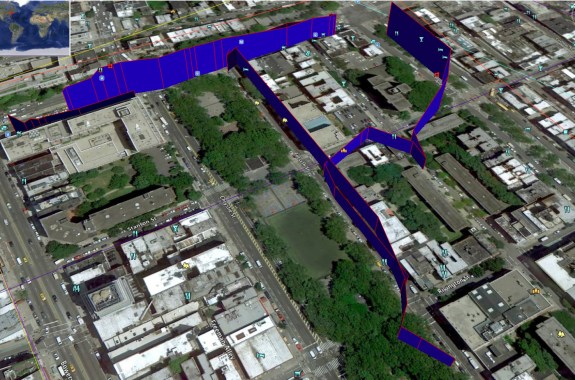
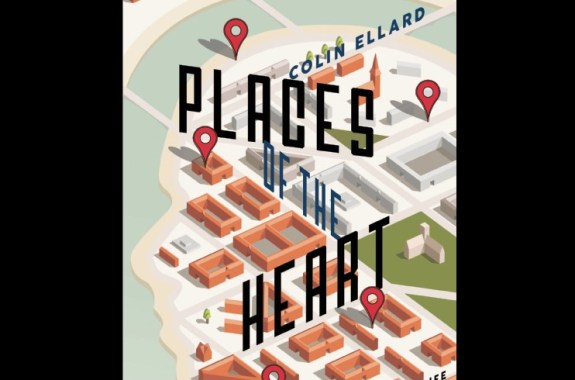
Can Science Help Build Happier Cities?
Cognitive neuroscientist Colin Ellard studies how our streetscapes shape our bodies, brains, and behavior.
11:07
The Hunt for Dark Matter
In this week’s Video Pick, scientists hunt for dark matter deep below the Earth’s surface.
11:44
Forecasting the Flu
Researchers seek to track the flu using nasal swabs and search engine queries.

23:13
Do Or DIY This Halloween
Green fire, magic mirrors, fiber optic fairy wings—just a few of the ways to geek out this Halloween with do-it-yourself projects.
10:57
Can You Hear Me Now? Why Mobile Audio Still Lags
Will services like HD voice—which doubles the sample rate for voice calls—clear up our mobile audio quality issues?
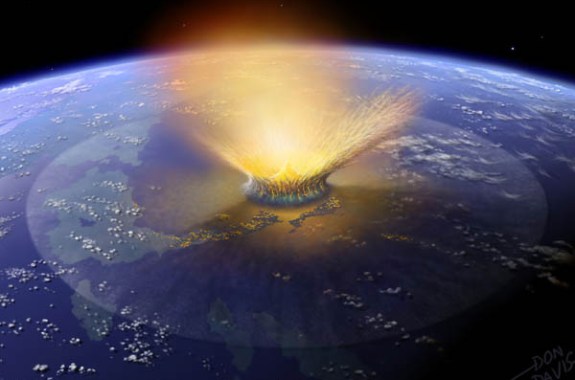
Did Dark Matter Kill the Dinosaurs?
The invisible stuff that comprises a quarter of the universe could be more complex that previously thought.

11:56
Pluto’s Haze, a Michigan Mammoth, and Antioxidants and Skin Cancer
Pluto’s blue skies, a woolly mammoth in Michigan, and whether antioxidants help with the treatment of skin cancer.
24:47
2015 Nobel Prizes: Mysteries of the Cosmos and Our DNA
This year’s crop of Nobel Prizes were unveiled this week, and the awards go to parasite-zapping drugs, a DNA repair kit, and the mystery of missing neutrinos.