On Today's Podcast
What was life like for Tyranossaurus rex?
T. rex may be the most famous prehistoric predator, but their life wasn’t always bone-snapping chomps and food chain scaremongering.
Listen NowOctober 23, 2026
CRISPR pioneer Jennifer Doudna discusses the evolution of gene-editing technology and what it takes to be a good scientist. Timekeepers around the world voted to stop using leap seconds, but what does that mean for us? Plus, how "problem bears" help test engineers evaluate consumer products, author Kazuo Ishiguro on emotional truth in our age of AI, and the science of apple varieties.

9:10
The SciFri Book Club Reads ‘The Soul of a New Machine’
This August, the SciFri Book Club reads Tracy Kidder’s Pulitzer Prize-winning account of the creation of a new computer.
11:43
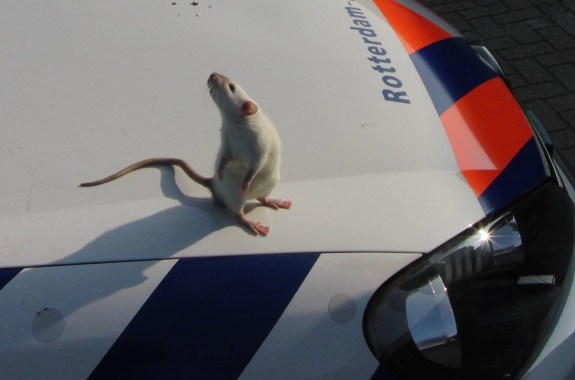
Rats on the Job
The average rat sleeps all day and eats garbage all night…but some of them have jobs to get to.
17:20
Keeping Cool (Without Making Global Warming Worse)
The global demand for air conditioning isn’t sustainable, so what other options do we have?

10:08
Can Babies Take A Joke?
Researchers say toddlers can figure out when their parents are joking.
6:17
Video Pick: The Unlikely Tale of a Tenacious Snail
For over 70 years, no one had seen the oblong rocksnail, until one spring day in 2011.
Join the SciFri Book Club This Summer
This August, the SciFri Book Club reads Tracy Kidder’s love letter to computer engineers, “The Soul of a New Machine.” Here’s how to participate.
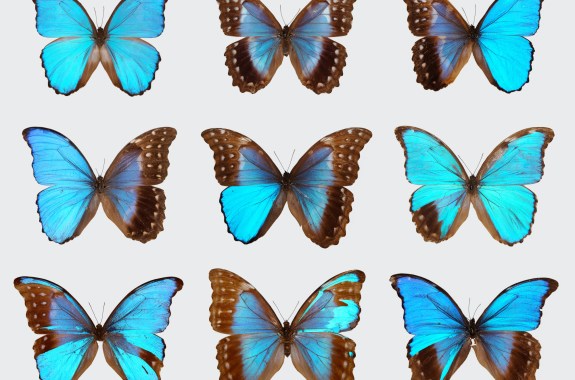
The Curious Case Of The Blue Morpho Butterflies
Biologists are using the medley of blues and browns in these wings to help them understand butterfly wing development.
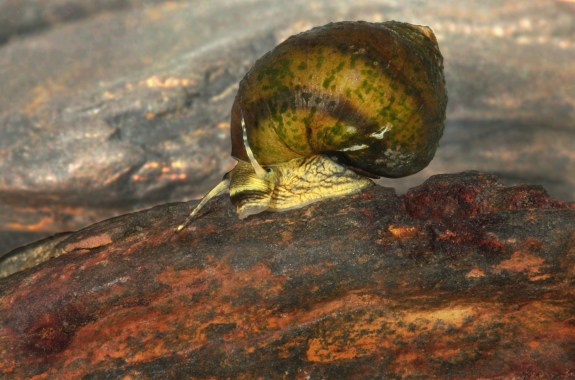
The Unlikely Tale of a Tenacious Snail
For over 70 years, no one had seen the oblong rocksnail, until one spring day in 2011.
12:13
Polio-free Nigeria, Ant Cooperation, and Tweet Takedowns
Brooke Borel, of Popular Science and the blog Our Modern Plagues, shares this week’s top science news.
17:32
Deconstructing School Discipline
Researchers rethink discipline in an effort to break down the “school-to-prison” pipeline.
8:00
Can Intestinal Bacteria Shape Response to Early-Life Stress?
A new study investigates the link between the gut and the brain in mice.
8:18
So Flashy: The Chemistry Behind a Firefly’s Glow
Scientists work to understand the chemistry and benefit of firefly flashes.
11:37
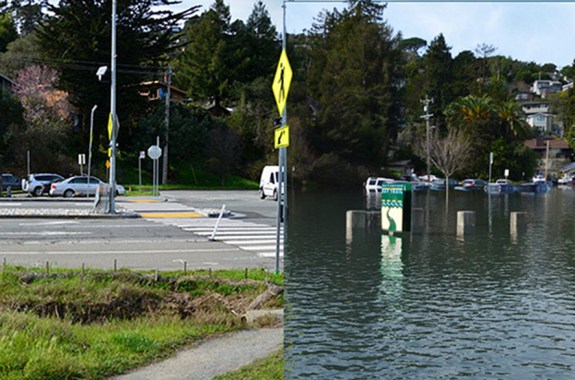
A Device to Visualize Your Climate Change Future
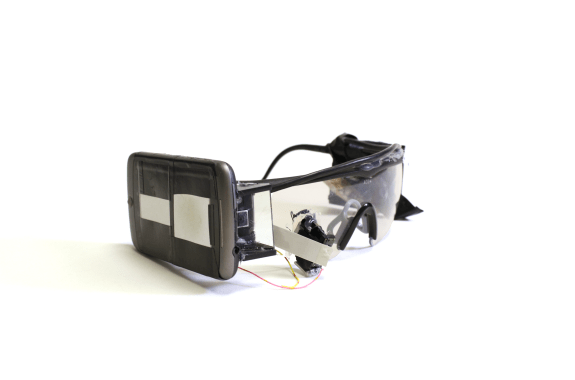
In Marin County, California, augmented reality binoculars are helping locals visualize sea level rise—and plan for it.
20:18
Wearable Technology Goes Way Back
Google Glass, Fitbits, and the Apple Watch are just the latest products in a long evolution of wearable technology.
7:59
Black-Market Marijuana Farming Is Far From Green
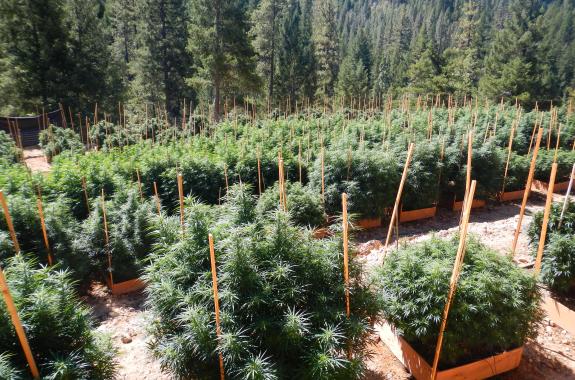
Illegal pot farms north of San Francisco are repeating many of the environmental sins of the logging era, like clear-cutting and road building.

A Wave Break In The Clouds
These picturesque clouds reveal a particular kind of turbulence in the atmosphere.

How Many Licks? Controlling Lollipop Licker Variation
How many licks does it take to get to the center of a Tootsie Pop? Navigate the perils of licker variation by designing your own lollipop-licking experiment.
11:56
An HIV Mystery, the Search for E.T., and a Bug Bite Itch Zapper
BuzzFeed News science editor Virginia Hughes shares her top stories from this week in science, and astronomer Seth Shostack debates the pros and cons of attempting to contact E.T.
17:31
Tips and Hacks for Navigating Recreational Drones
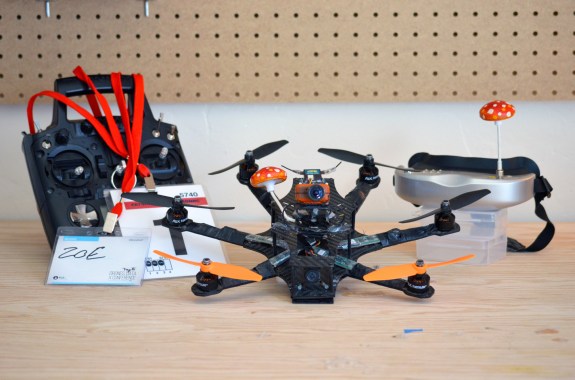
From pocket-size drones to camera-equipped quadcopters, drone educator Steve Cohen navigates us through tips for buying and building personal drones.