On Today's Podcast
Isabella Rossellini on how acting connects to animal cognition
Should we anthropomorphize animals or not? An actor and an ecologist share what they’ve learned about animal cognition.
Listen NowOctober 23, 2026
CRISPR pioneer Jennifer Doudna discusses the evolution of gene-editing technology and what it takes to be a good scientist. Timekeepers around the world voted to stop using leap seconds, but what does that mean for us? Plus, how "problem bears" help test engineers evaluate consumer products, author Kazuo Ishiguro on emotional truth in our age of AI, and the science of apple varieties.
12:02
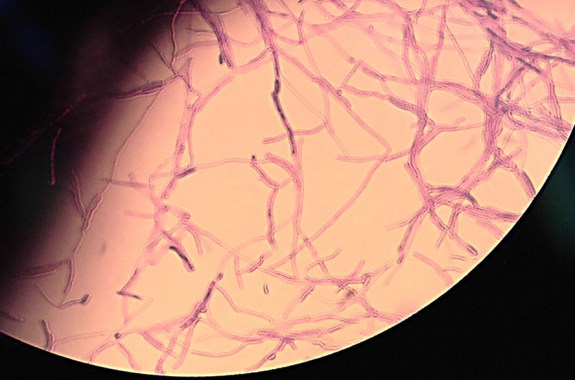
Move Over E.Coli: DARPA’s Quest for Next-Gen Bugs
Alicia Jackson, deputy director of DARPA’s Biological Technologies Office, says synthetic biology could be the next big thing for military innovation.
17:27
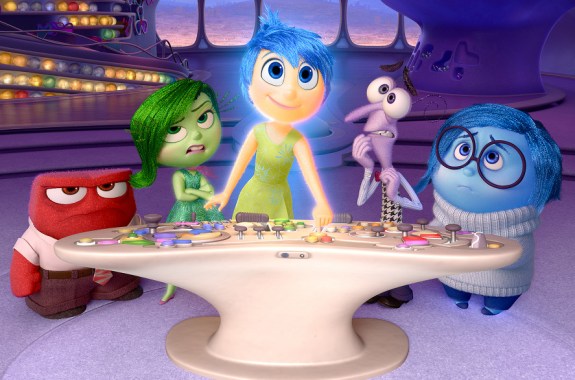
Meet Inside Out’s Emotion Coach
Psychology professor Dacher Keltner helped the filmmakers of the film “Inside Out” navigate the 11-year-old mind.

17:00
Food Failures: I Scream, You Scream…When We Ruin Our Ice Cream
Jeff Potter, author of “Cooking for Geeks” returns to share homemade ice cream hacks.
Science Friday at the Aspen Ideas Festival
Ira Flatow and the SciFri crew will put on a live show in Colorado on June 30th.
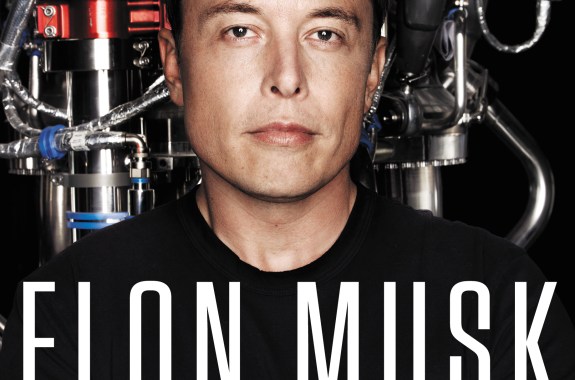
A Peek Inside the Mind of Elon Musk
An excerpt from the new biography “Elon Musk.”
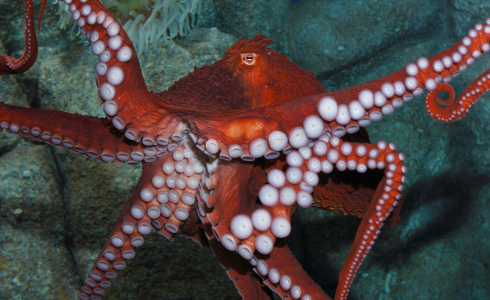
The Octopus Whisperer
To keep the brainy creatures healthy in captivity, caretakers employ a variety of tricks, including dog toys.
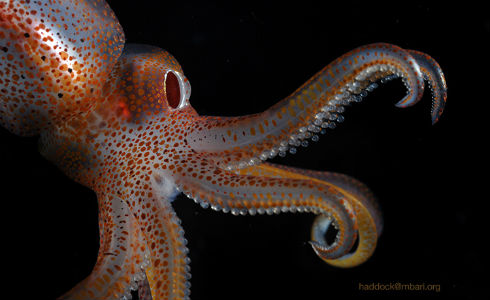
Meet the Cock-Eyed Squid
This midwater cephalopod sports different-size eyes for different functions.
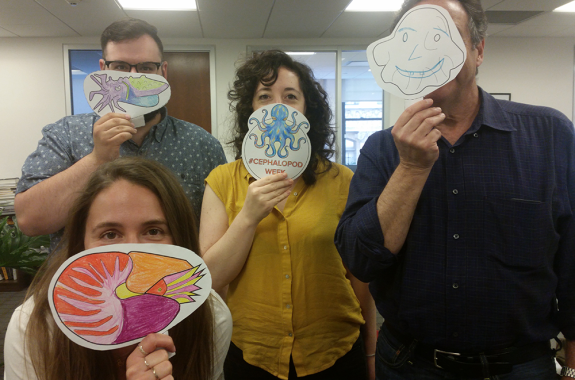
Take a Selfielopod for #CephalopodWeek!
Print one of our cutouts and take your own selfielopod for Cephalopod Week.
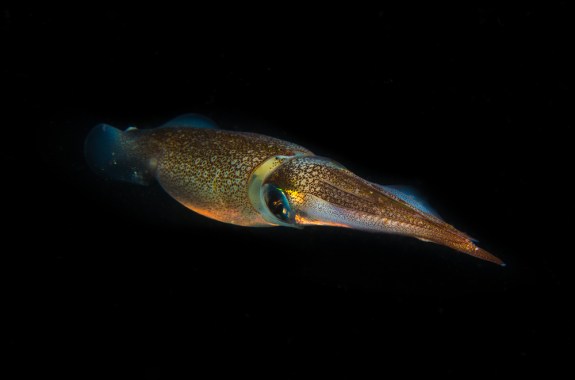
Jet Propulsion Locomotion Of Squid And Octopus
Can you engineer a jet propulsion system that mimics the speed of a squid?
12:00
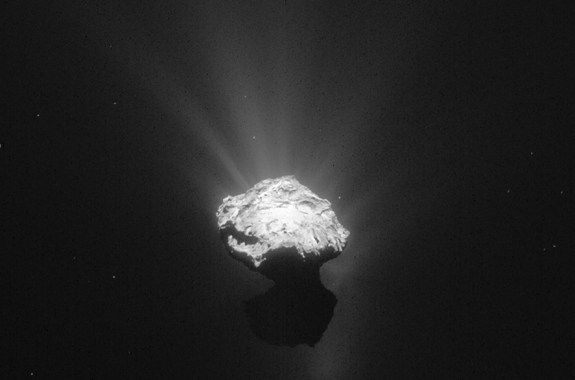
A Cometary Awakening, a Vaccine Mystery, and Brand New Bacteria
Tariq Malik of Space.com talks about Philae’s unexpected awakening, and Arielle Duhaime-Ross helps decipher a mystery that has plagued scientists for 50 years.
17:36
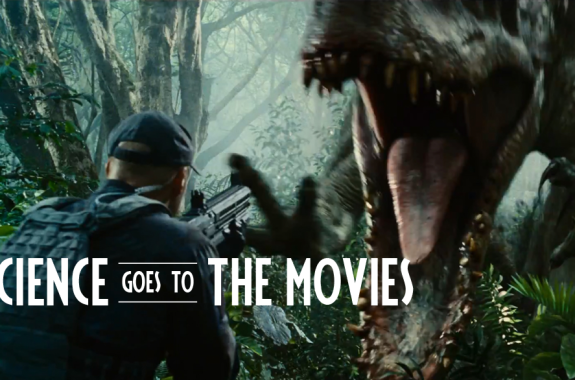
Science Goes To The Movies: ‘Jurassic World’
Paleontologists Lindsay Zanno and Kenneth Lacovara share what made them clap and cringe while watching “Jurassic World.”
7:14
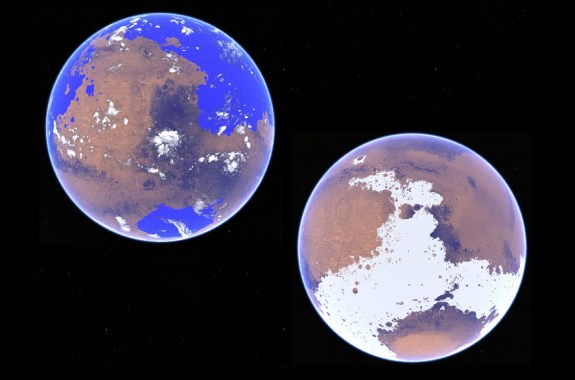
Could Mars Have a Cold, Icy Past?
The ancient climate of Mars may have been cold and icy, according to researchers.
9:33
Cephalopod Week Is Back
We kick off our second annual Science Friday Cephalopod Week—a celebration of all things tentacled.
5:57
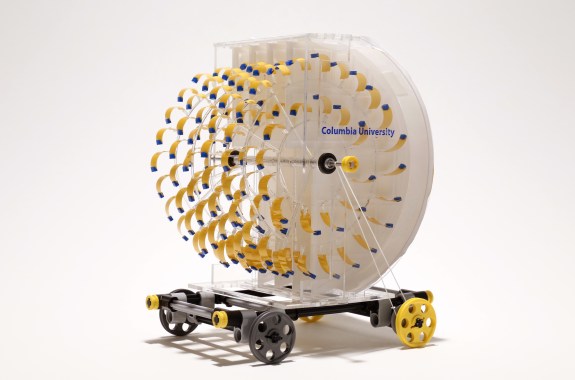
Engineering Evaporation
Researchers at Columbia University design engines powered by evaporation.
15:57
Not All Cooking Oils Are Created Equal
Ever wondered which cooking oil is healthiest? Tom Brenna, a professor of human nutrition at Cornell University, helps us get to the fat of the matter.
24:23
Throw These Science Books in Your Beach Bag
Maria Popova and Lee Billings share their summer reading picks.
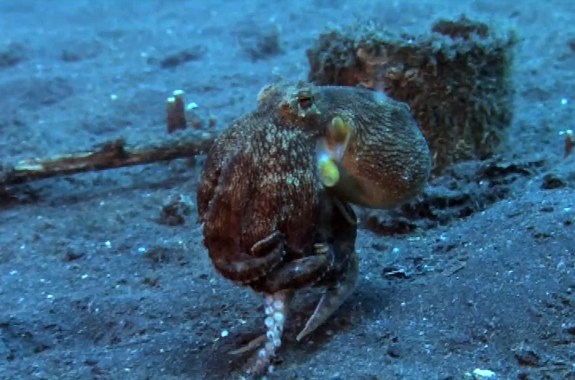
Run, Octopus, Run!
Chrissy Huffard explains how and why an octopus might stand up on two tentacles and run backwards.

The Attraction of Liquid Magnets
Liquid magnets lend themselves to art, as well as medical research.
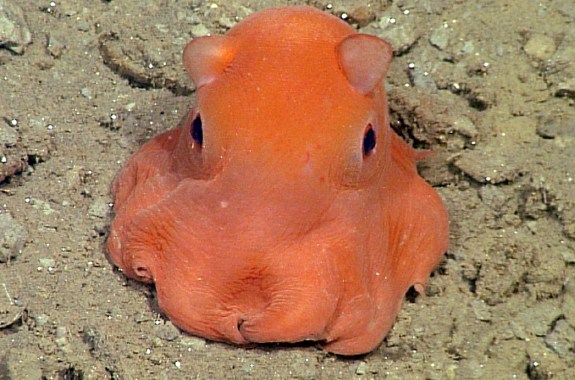
Isn’t This Octopus Adorabilis?
Stephanie Bush of the Monterey Bay Aquarium Research Institute aims to classify and name a presently undescribed deep-sea cephalopod.
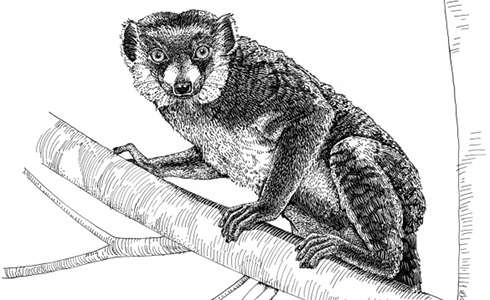
What Lemurs Can Teach Us About Human Evolution
An excerpt From “The Strange Case of the Rickety Cossack and Other Cautionary Tales From Human Evolution.”