On Today's Podcast
Did the fire at the Library of Alexandria set humanity back?
Author Sam Kean explores our fascination with lost knowledge in his new book, “The Museum of Lost Things”
Listen NowSeptember 11, 2026
Scientists used fossil records and AI tools to reconstruct a soundscape of a Jurassic forest. Shorter courses of antibiotics may actually reduce antimicrobial resistance. Plus, a new study found a group of genes associated with fibromyalgia. And, as black bears return to their historic ranges across the U.S., human encounters are increasing. How can bears and people live in harmony?

10:58
Ocean Liner SS United States Will Become An Artificial Reef
The ship will join Florida’s 4,300 artificial reefs—human-made places for fish and other marine life to live. How do these reefs work?

17:25
Where Does Plastic And Other Trash Go After We Throw It Away?
A journalist traveled to five continents to learn about the afterlife of our trash, and why most “recyclable” plastic actually isn’t.
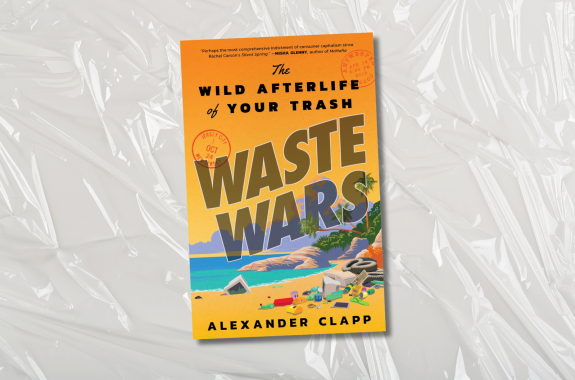
How The Global Waste Trade Passes The Buck Across The World
Richer countries often dispose of trash by paying someone else to make it their problem. And trying to recycle plastic doesn’t always help the planet.
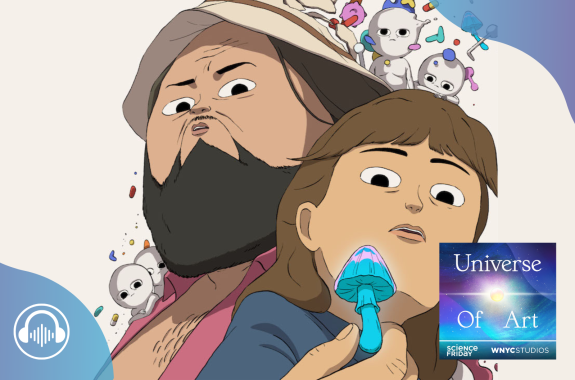
In A New Animated TV Show, A Clash Over An All-Healing Mushroom
The show’s starring scientist finds a mushroom that can heal any ailment. But powerful people will do anything to stop him from cultivating it.

11:49
Royal Tomb Of Egyptian King Thutmose II Unearthed
Finding the original tomb of the royal is one of the most significant developments in Egyptian archeology in recent history.
16:47
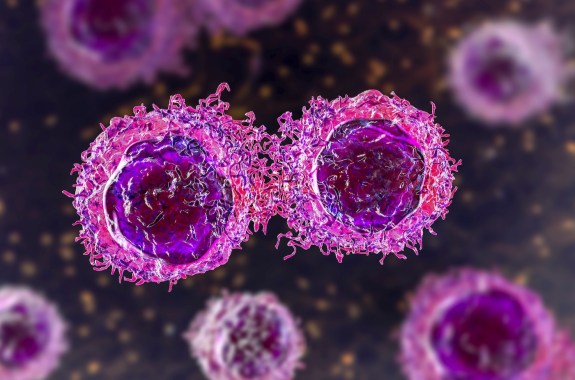
A Vaccine For Pancreatic Cancer Continues To Show Promise
In a small trial, nearly half of pancreatic cancer patients who received an mRNA vaccine for the disease had no relapse three years later.

12:15
In Search Of The Best Tail For Balance
The bone and joint structures in mammal tails help them keep their balance. Could those benefits be adapted for robots?

16:57
Why Are Flu And Other Viral Infection Rates So High This Year?
Flu infections are the highest they’ve been in nearly 30 years, and flu deaths this winter have surpassed COVID deaths. What’s going on?
9:22
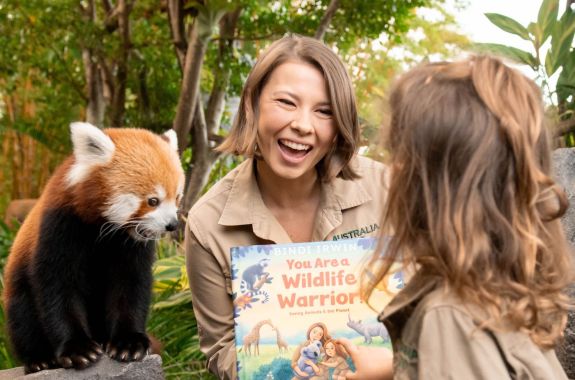
Bindi Irwin Encourages Kids To Become ‘Wildlife Warriors’
In her first children’s book, conservationist Bindi Irwin takes little readers on a journey through Australia Zoo.
7:52
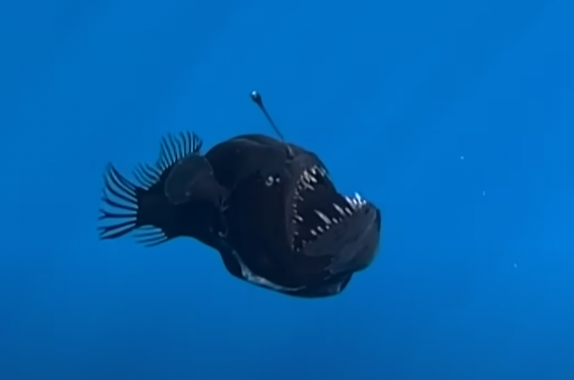
Why The Internet Was Captivated By A Hideous Fish
A video of a gloriously creepy anglerfish inspired tears and poetry online. But why was this deep-sea dweller near the surface at all?

16:49
Making Sense Of Federal Cuts To Science—And What Comes Next
The CEO of one of America’s oldest scientific societies discusses the recent cuts to scientific institutions, and how scientists can respond.
Cosmic Chemistry? It Was “Love At First Science”
We asked our listeners to tell us how they found love while doing or appreciating science. Read on for some romantic resonance.
12:14
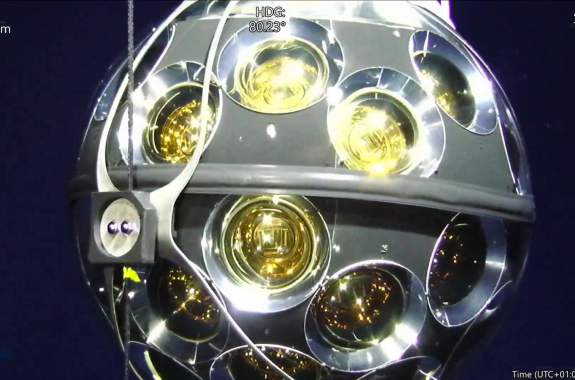
Most Powerful Neutrino Ever Is Detected In the Mediterranean
A neutrino with a record-breaking level of energy was picked up by a detector in the Mediterranean Sea.
17:31
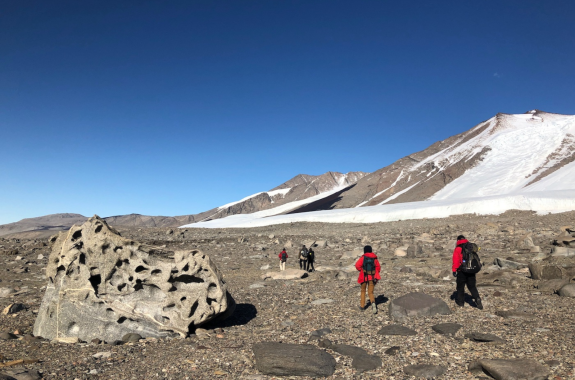
Adventures In Science At The Icy ‘Ends Of The Earth’
A new book explores how one biologist’s work at the North and South Poles changed the way he sees the world and our place in it.
12:15
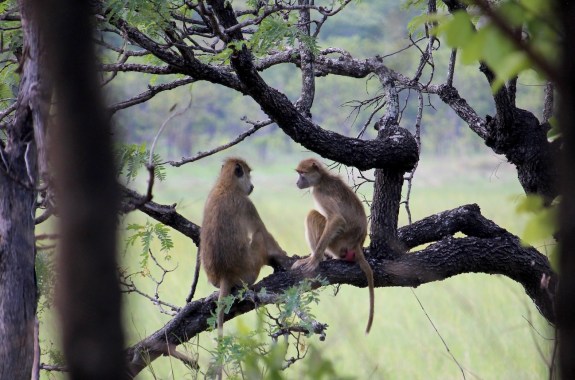
Can Men and Women (Baboons) Really Just Be Friends?
Just like in “When Harry Met Sally”, the answer isn’t so simple for Kinda baboons, which form long-term friendships between the sexes.
12:10
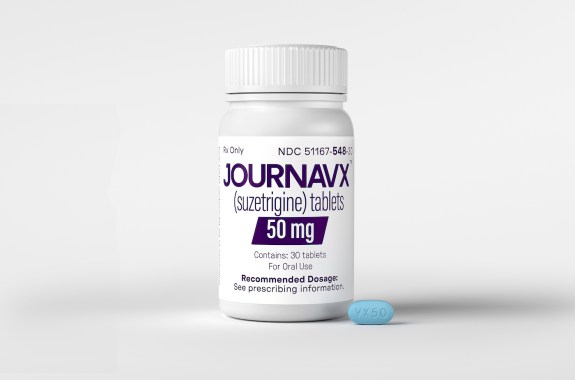
The FDA Approves A New, Non-Opioid Painkiller
It’s the first FDA approval for a pain medication in 25 years. How does the drug work, and who is it for?

11:05
Might Uranus And Neptune Have Deep, Multi-Layer Oceans?
Non-mixing layers of water and hydrocarbons thousands of miles deep could explain the icy planets’ strange magnetic fields.
5:42
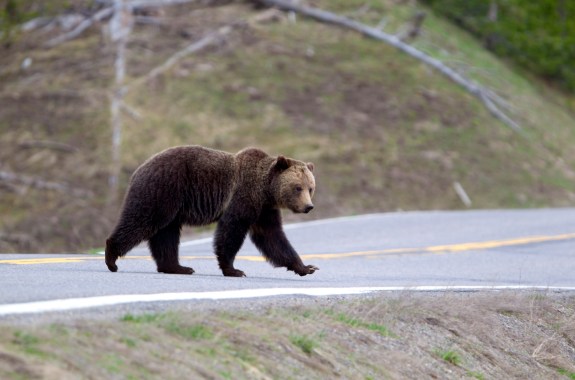
The Best Bear Deterrent May Be Drones
New research found drones to be more effective than dogs, cars, or loud noises at convincing bears to avoid human areas.
17:02
What Happens To Your Body When You’re Grieving
In a new book, Dr. Mary-Frances O’Connor explores the ways grief affects the body, from the heart to the immune system.
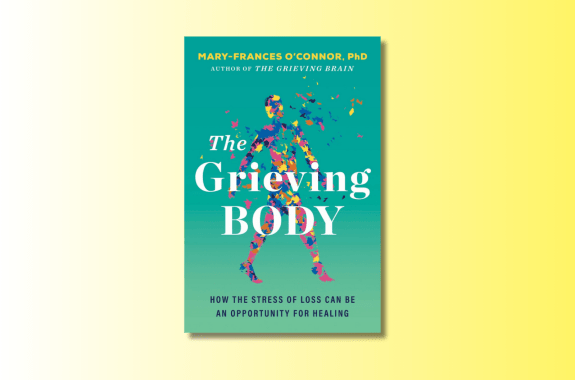
When A Person That’s A Part Of You Is Gone
“The Grieving Body” shows evidence that our connection to the people we love is in both our minds and our bodies.