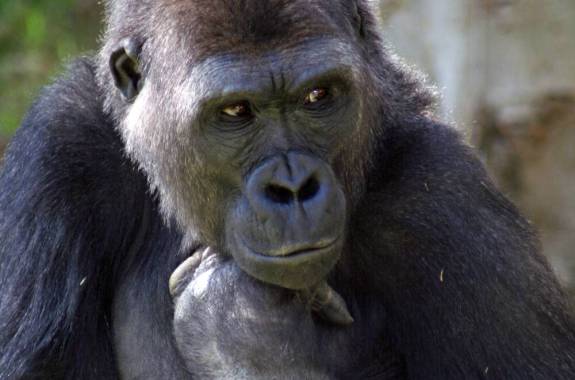
Gorilla Genome Sheds Light On Human Evolution
A study in Nature finds that gorillas are more like humans than previously thought.
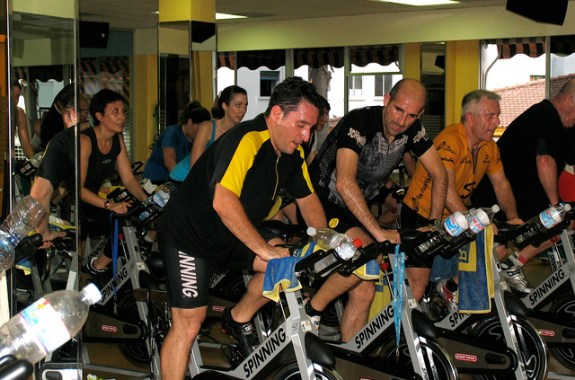
A Workout Can Change Your DNA
New research shows that strenuous exercise can change your genes to boost energy metabolism.
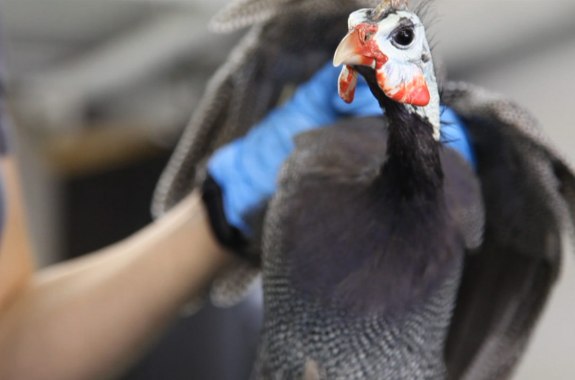
Studying Locomotion With Rat Treadmills, Wind Tunnels
For some scientists, a regular day at the office is training a guinea fowl to run on a treadmill.
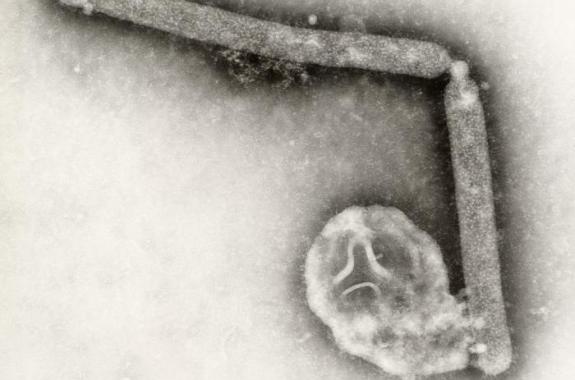
Mild Winter May Be Keeping Flu Bugs At Bay
This year’s flu season is off to a later start than any other year on record, according to the CDC.
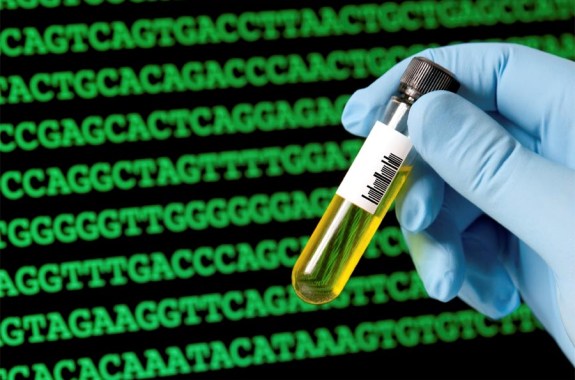
Genetic Test Reveals Unexpected Data
A look at one reporter’s personal journey to understand the risks and benefits of DNA. mapping.
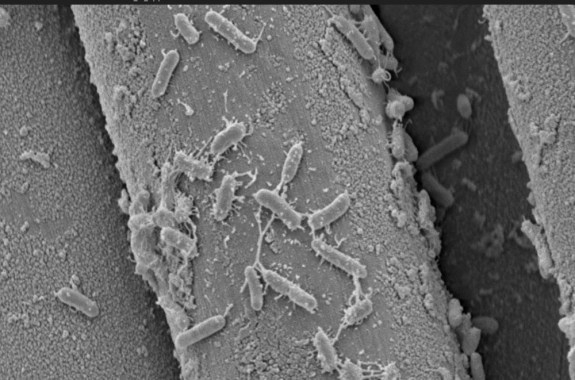
Powering Up…With A Microbial Fuel Cell
Researchers used river mud–and the bacteria that live in it–to power a fuel cell.
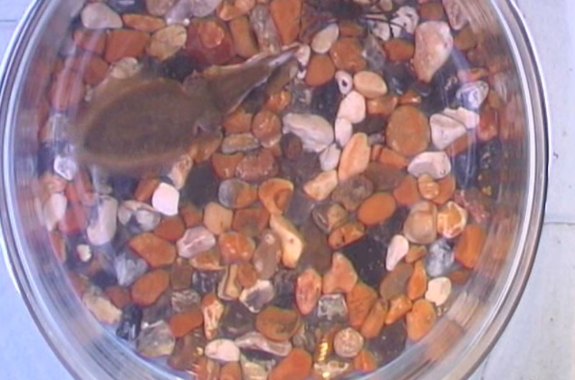
Where’s The Cuttlefish
Biologist Sarah Zylinski studies how cuttlefish see the world by looking at their skin.
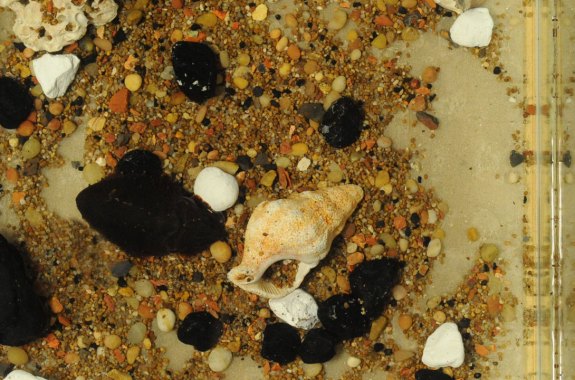
Where’s the Cuttlefish?
Cuttlefish change the patterns on their body for courtship rituals, when they eat a snack, and most famously when they want to blend in.

The Science Of Yoga: The Risks And The Rewards
New York Times science writer William Broad’s book investigates popular health claims about yoga.
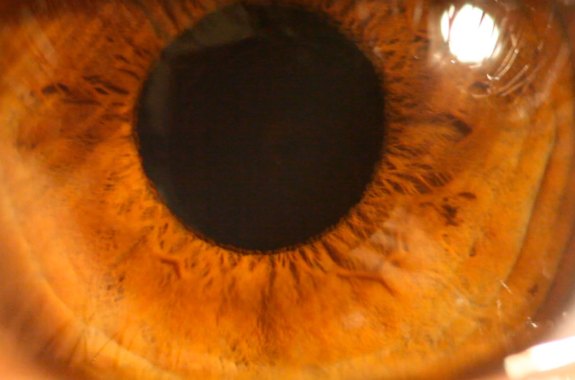
Valentine’s Day Special: Look Of Love
Our pupils change size in response to light, and thoughts.