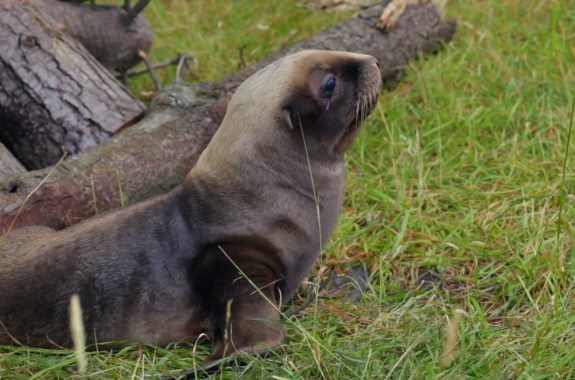
How To Save The World’s Rarest Sea Lion Pups
After being hunted off the mainland of New Zealand centuries ago, a new generation of the Earth’s rarest sea lions species has miraculously returned.
7:14
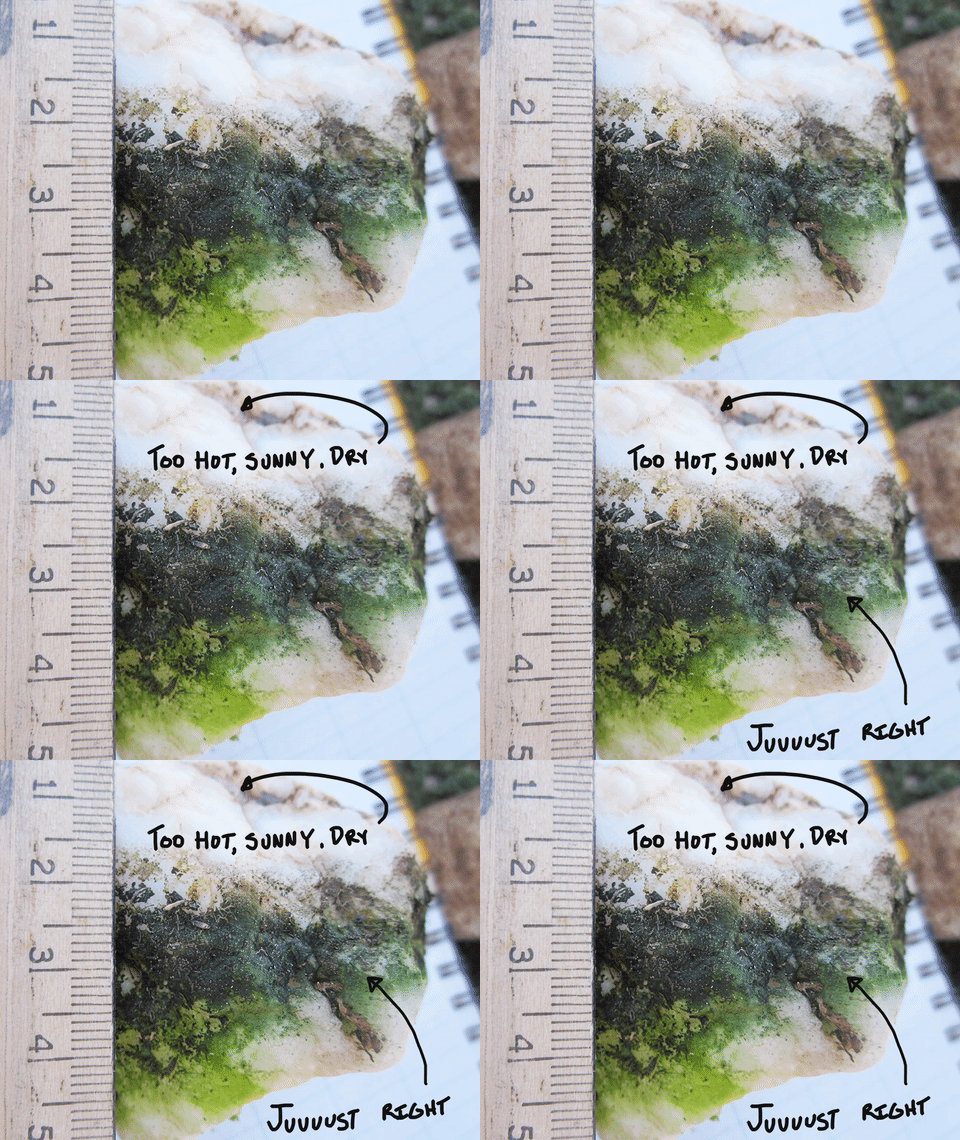
Between A Rock And A Hard Place, Life Thrives
In the driest deserts, hardy bacteria cling to the underside of translucent rocks, eking out an existence where nothing else can.

12:01
The Science Behind ‘Hitting The Wall’
Scientists investigate the genetic pathway that leads to better endurance in mice.
15:40
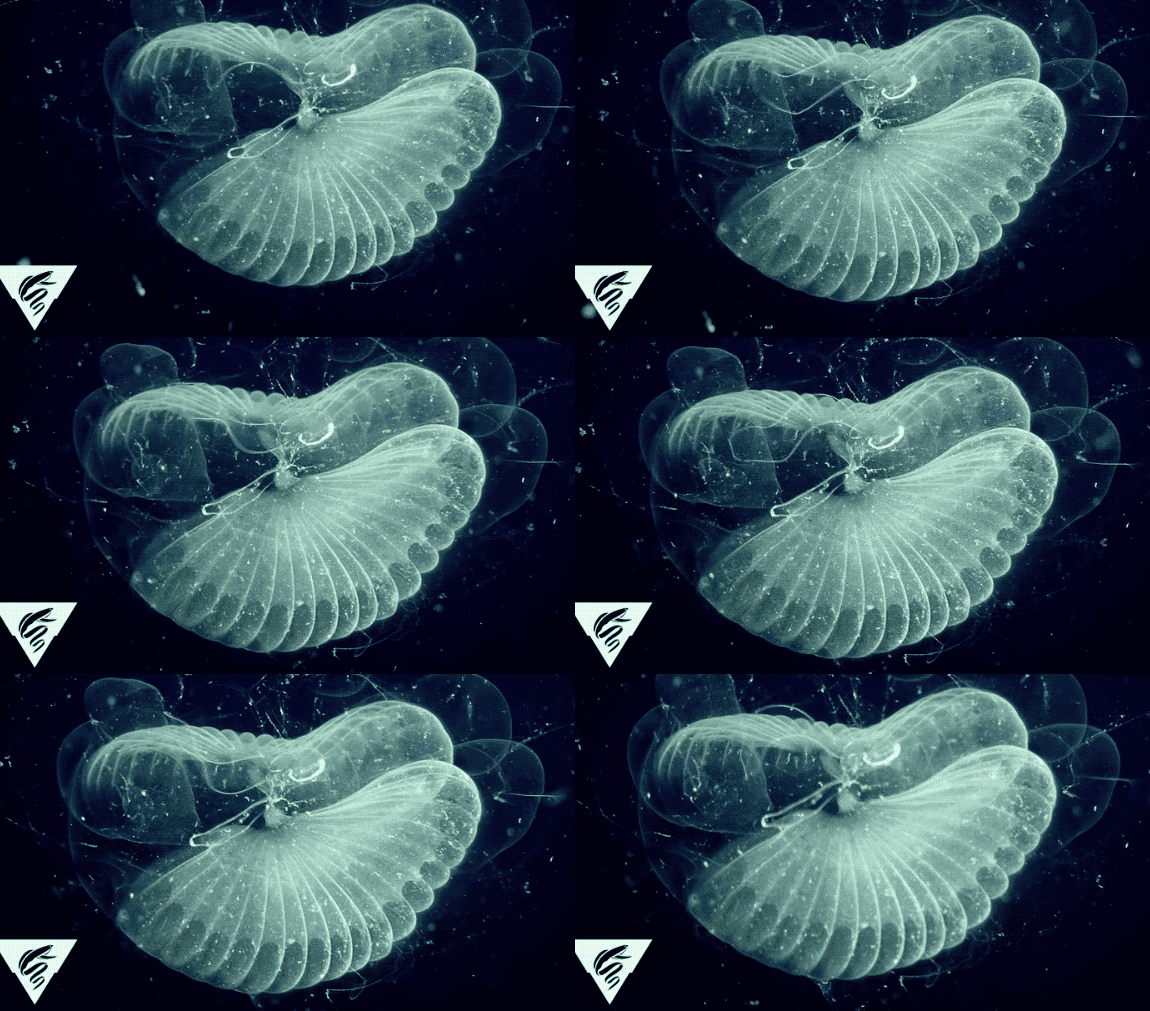
The House That Snot Built
The giant larvacean, a marine invertebrate, uses mucus to filter its food—and it could play a huge role in moving carbon around the ocean.
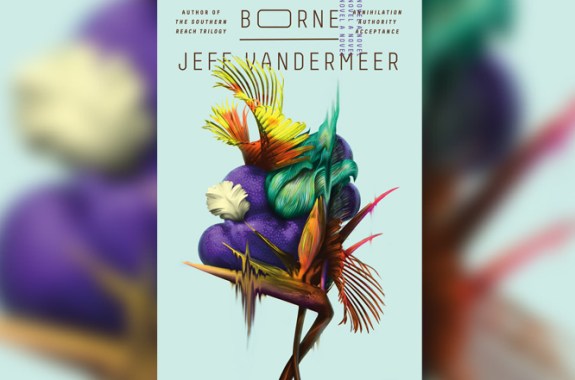
In A Decimated World, Biotech Life Is Borne
In his new novel, Jeff VanderMeer imagines how humans must survive in a city ruined by biotechnology… and a gigantic, genetically engineered bear.
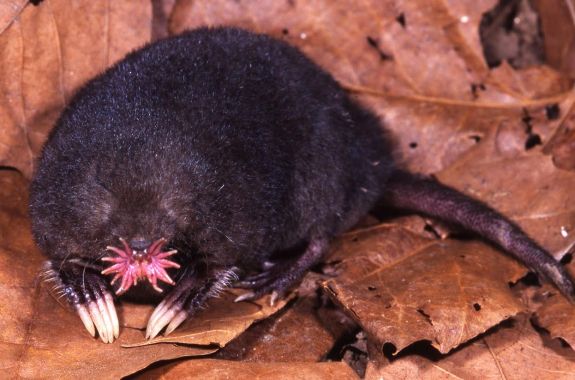
This Neuroscientist Loves The ‘Extremes’ In The Animal Kingdom
Enter Ken Catania’s lab: A curious space filled with fake zombie arms and star-nosed mole portraits.
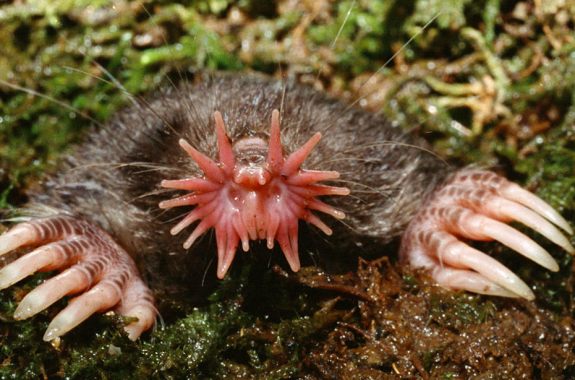
12:14
The Star-Nosed Mole Takes Adaptation To The Extreme
What the creature’s eponymous nose can tell us about the human sensory system.
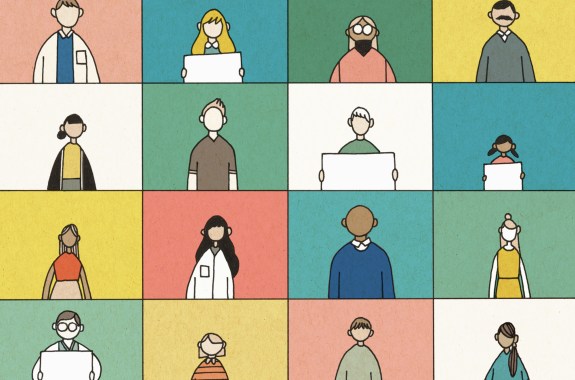
Why We March: Portraits Of The March For Science
From the bees to a better future, nerds and Nobel laureates alike give us their reasons why.
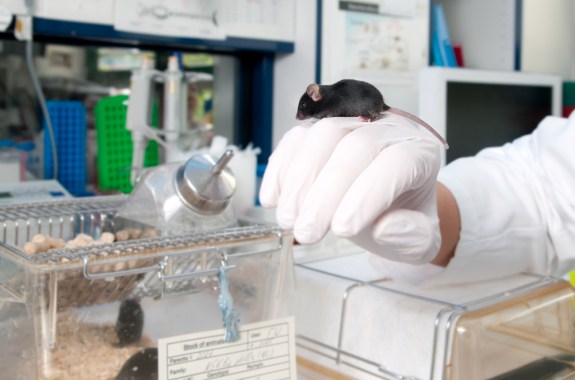
17:17
Bringing Rigor Back To Health Research
Scarce resources and the pressure to publish undermine researchers’ quests for cures. How can we fix these problems?
12:02
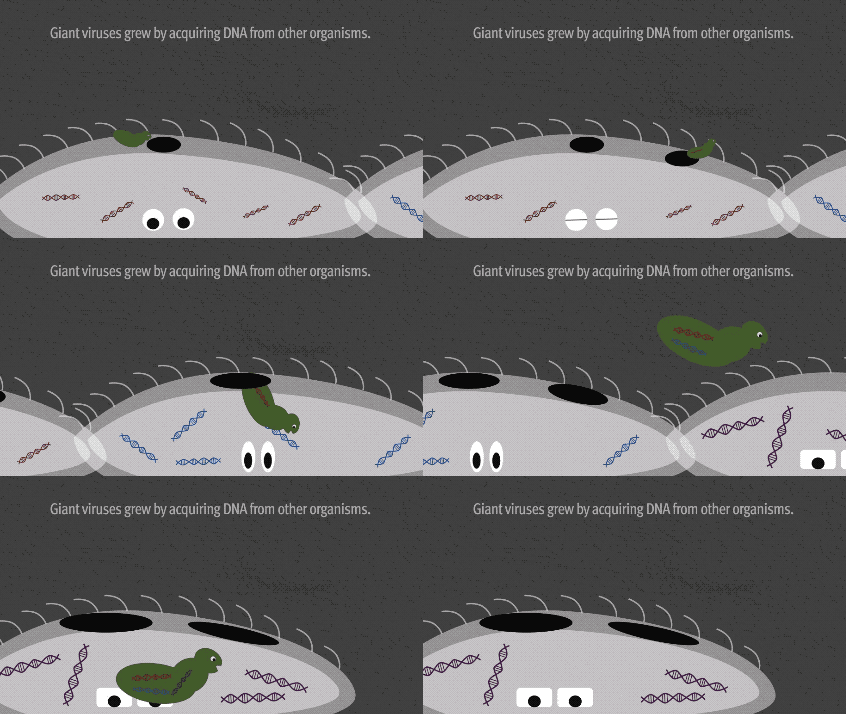
Giant Viruses Beefed Up On Host Genomes
Giant viruses evolved from smaller viruses that picked up genes from other organisms according to a new study.