On Today's Podcast
Black bears are moving into the neighborhood. How do we coexist?
As black bears return to their historic ranges across the U.S., human encounters are increasing. How can bears and people live in harmony?
Listen NowSeptember 11, 2026
Scientists used fossil records and AI tools to reconstruct a soundscape of a Jurassic forest. Shorter courses of antibiotics may actually reduce antimicrobial resistance. Plus, a new study found a group of genes associated with fibromyalgia. And, as black bears return to their historic ranges across the U.S., human encounters are increasing. How can bears and people live in harmony?
10:12
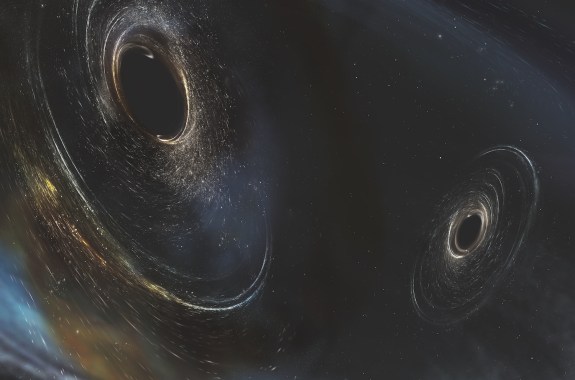
LIGO Scientists Detect Another Cosmic Collision
Scientists using LIGO detected a third gravitational wave, this time from two colliding black holes located 3 billion light-years away.

What Happens If The US Leaves The Paris Climate Deal?
One way is fast and dramatic. The other is slower and leaves wiggle room.
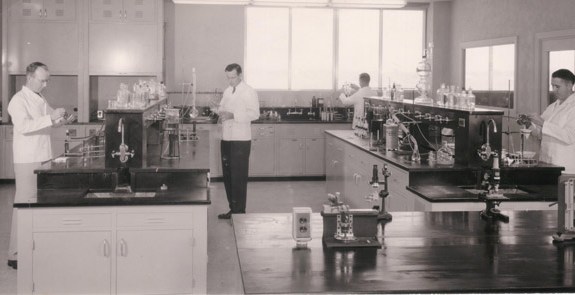
The Flaws In Forensic Science
Forensic scientists re-evaluate how to improve the state of the field.
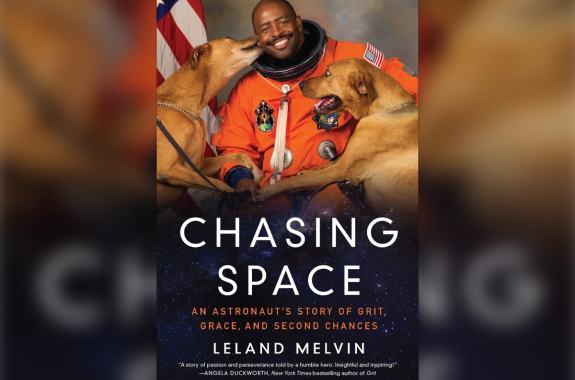
How To Have A Dinner Party In Space
Astronaut Leland Melvin recounts daily life aboard the International Space Station, including a communal dinner, celebrating a birthday, and the challenges of trying to sleep in microgravity.
7:39
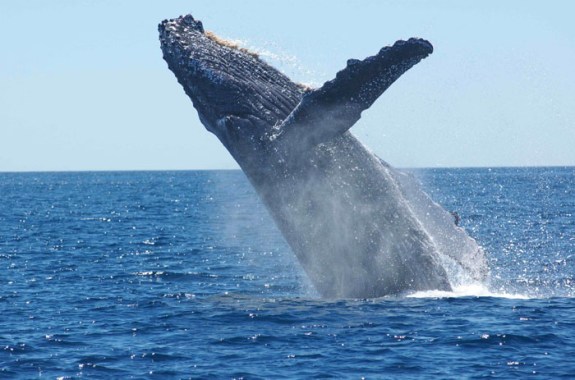
Why Are Whales Whale-Sized?
Plus, a genetic map of the Zika virus and a new planetary object round out this week’s science news.
4:20
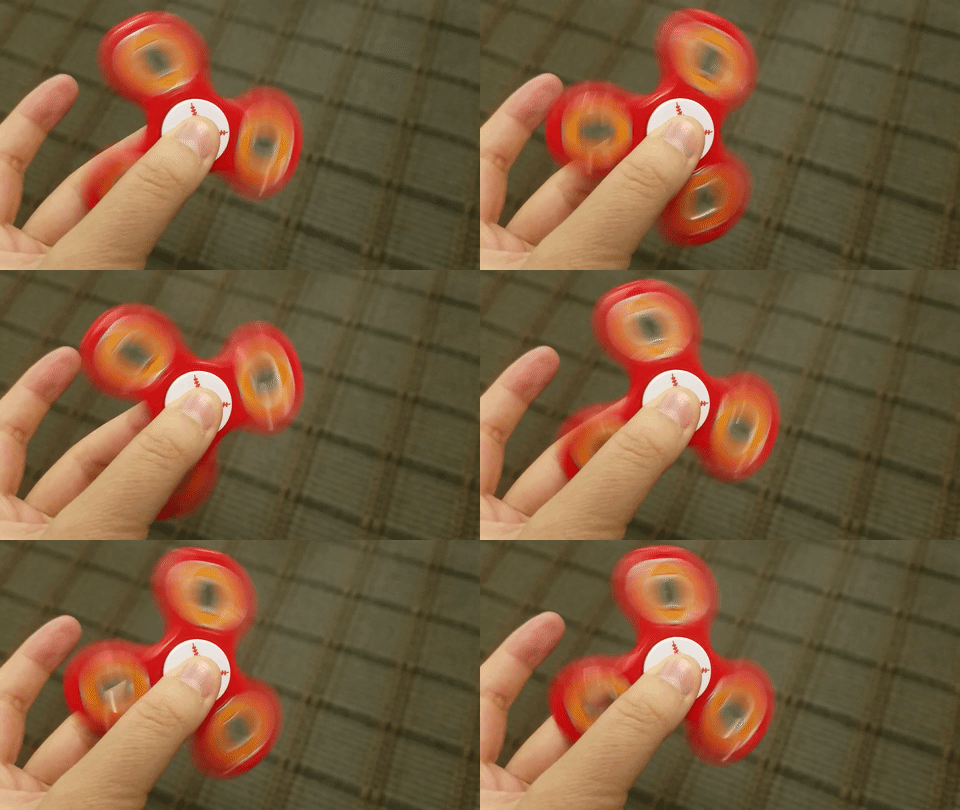
Can You Fidget Away Your Anxiety?
Fidget spinners and other widgets can help you focus, but they can also distract.

17:15
On Being A Scientist (And Patent Holder) At Any Age
Amber Yang, 18, won Intel’s Young Scientist Award with her novel space debris tracker.
9:03
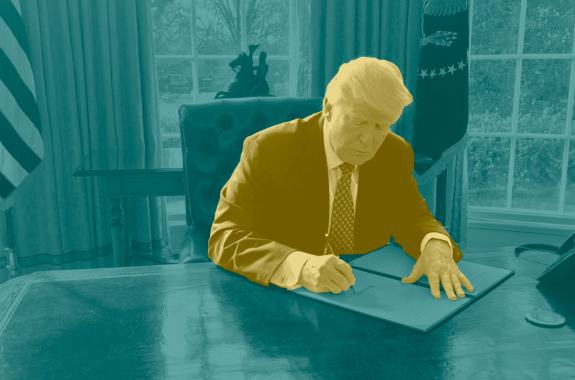
Digesting The White House’s ‘Devastating’ Cuts To Science Funding
Ultimately, Congress appropriates the research funds. Will it retain billions of dollars in proposed cuts?
7:06
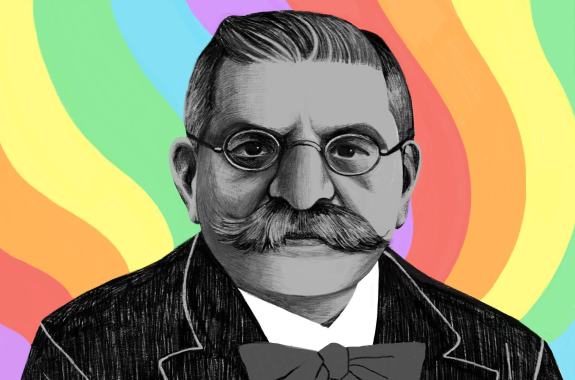
Magnus Hirschfeld, The ‘Einstein Of Sex’
The pioneering sex researcher’s goal was to prove homosexuality was rooted in biology. But his ideas fell into the wrong hands.
16:35
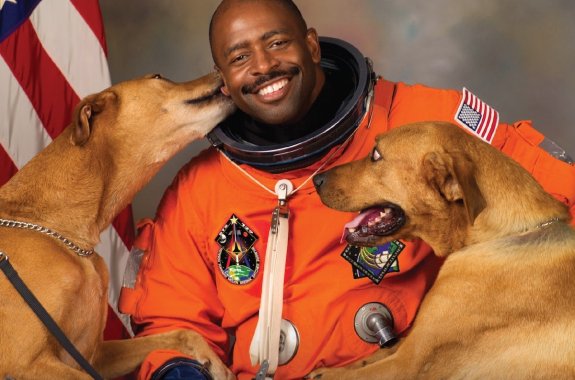
Chasing Space: Astronaut Leland Melvin’s Journey From Sports To Space
Leland Melvin on the perseverance and different communities that helped launch his career into space.
17:03
The Many Uses Of ‘Useless’ Research
Reviving a case for foundational science that dates back to Einstein.
11:34
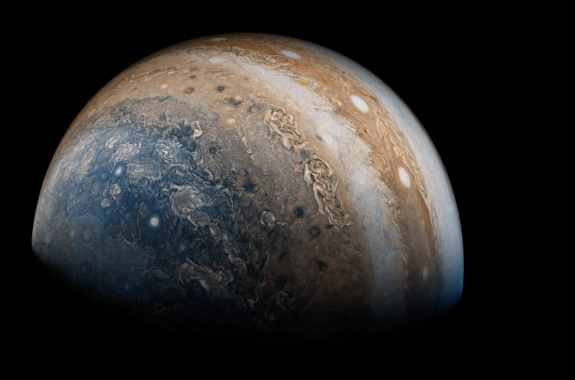
Jupiter Surprises In Its Closeup
Scientists report the first scientific results from the Juno mission, now in orbit around Jupiter.

Will Driverless Cars Work Outside The United States?
Driverless car technology is built with the West in mind—but will the same rules work in other countries?
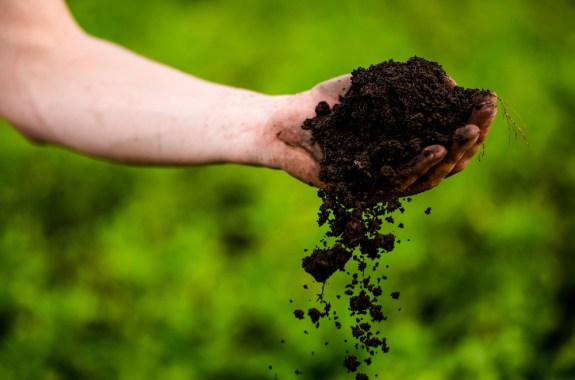
Use Your Senses To Make Sense Of Your Soil
You can see, feel, and even smell the difference between good and lousy soil.

Can Opioid Addiction Be Cured?
Tom Price’s claims about opioid addiction are disputed by experts.
7:50
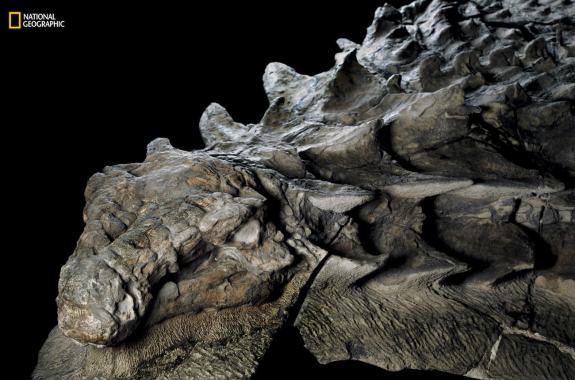
From Alberta’s Oil Sands, A Dinosaur ‘Mummy’ With Skin Intact
Plus, how is one of the most isolated islands on Earth also the most littered?

4:25
Your Airline Will See You Now
Is Delta’s new facial recognition technology a customer convenience or an invasion of privacy?
17:22
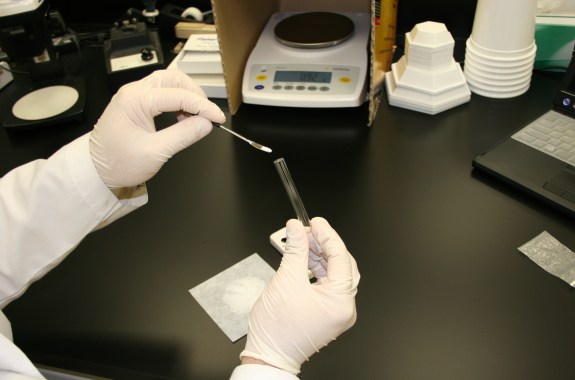
There’s Less Science In Forensic Science Than You Think
A look at efforts to improve forensics after the death of a key federal commission.

8:58
Weighing A Stockpile Of Computer Threats
When should the government alert the computer industry about software flaws that could become cyberweapons?
7:17
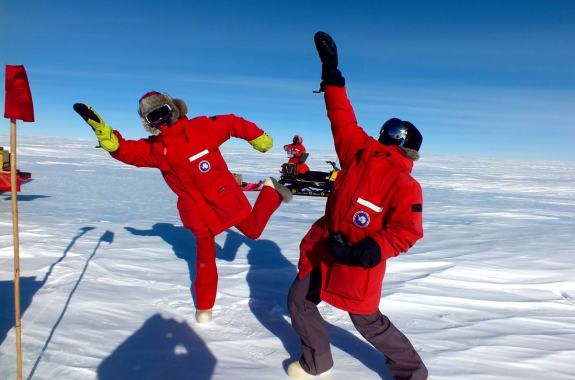
Prospecting For Martian Gold In Antarctica
On the latest episode of “Undiscovered,” we hear the story of meteorite hunter Nina Lanza, and what life’s really like in Antarctica.