On Today's Podcast
Black bears are moving into the neighborhood. How do we coexist?
As black bears return to their historic ranges across the U.S., human encounters are increasing. How can bears and people live in harmony?
Listen NowSeptember 11, 2026
Scientists used fossil records and AI tools to reconstruct a soundscape of a Jurassic forest. Shorter courses of antibiotics may actually reduce antimicrobial resistance. Plus, a new study found a group of genes associated with fibromyalgia. And, as black bears return to their historic ranges across the U.S., human encounters are increasing. How can bears and people live in harmony?
17:15
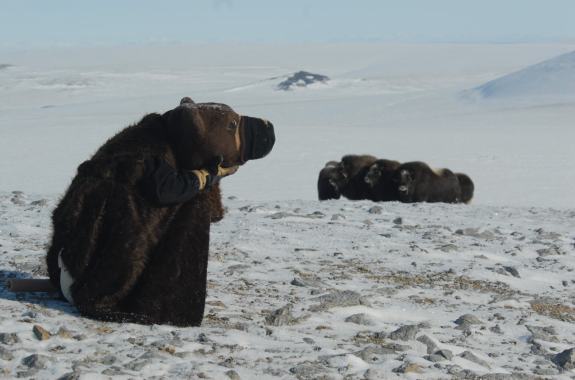
Getting Inside The Head Of A Muskox
One researcher’s game of pretend sheds light on species survival in a warming climate.

29:39
Sprucing Up Your Springtime Soils
Moldy compost? Compacted soil? Here’s some soil science to help your garden spring into shape.
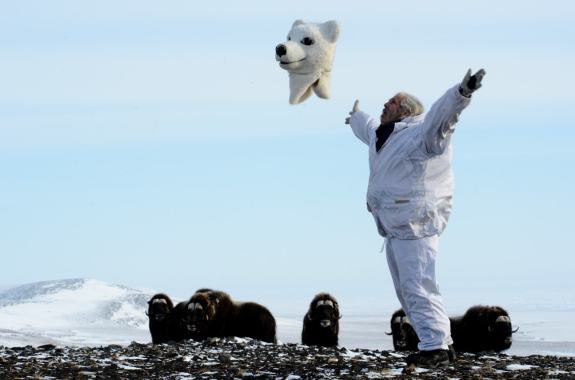
How To Study Muskox Behavior? Become The Master Of Disguise
This researcher disguises himself as the predators of muskoxen to study their reaction.
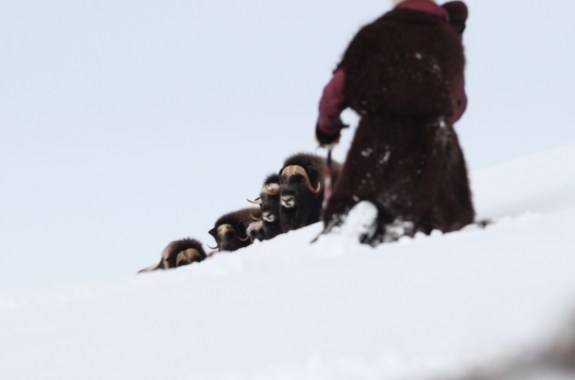
Bear In Mind The Muskox
Conservation scientist Joel Berger dresses up as a grizzly bear near musk oxen herds, to find out if male oxen make them safer from bears.
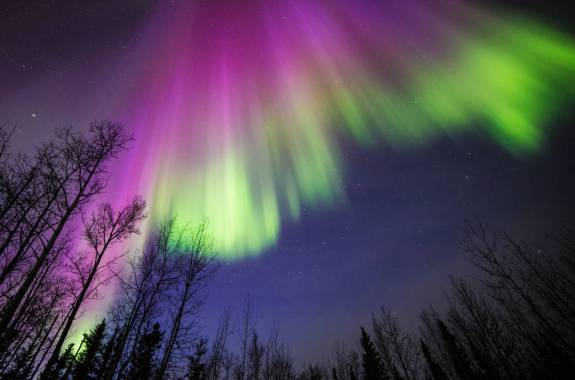
A Physicist Explains The Shimmering Science Behind Auroras
Liz MacDonald tells SciFri what causes these beautiful polar “glitter bombs.”

7:58
Are We Ready For A Climate Change Refugee Crisis?
Plus, the lasting impact of the BP oil spill, and how a warming Arctic is making climate change worse.
3:57
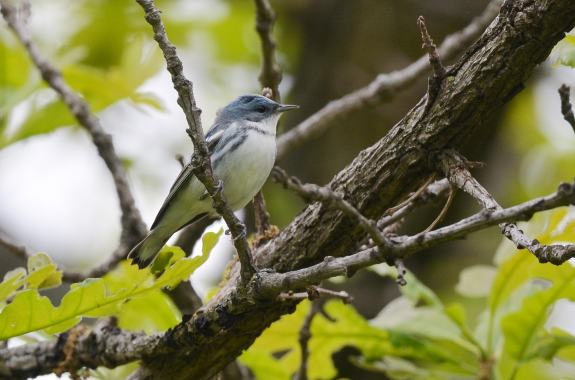
The Ups And Downs Of Bird Tracking Devices
Recently published research points to possible ill effects of putting tracking devices on the smallest songbirds.
7:49
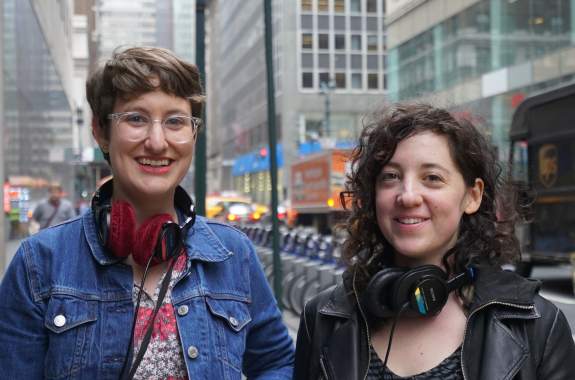
Introducing Our New Show: Undiscovered
Science Friday has a new show! It’s called Undiscovered, and it tells the back stories of great scientific discoveries.
15:08
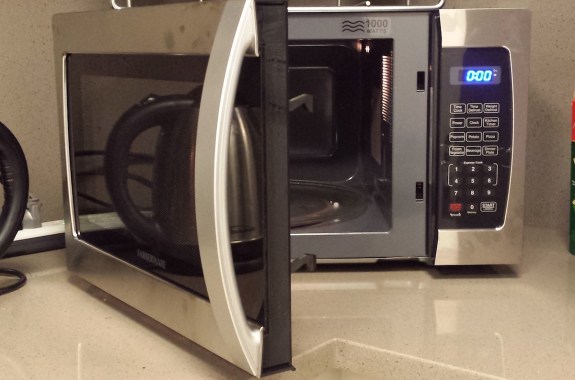
But Really, Can You Stand In Front Of The Microwave?
We’ve been nuking our food for 50 years. Why are some people still worried about their safety?

14:13
Sea Spray’s Tie To The Sky
New research explores how the ocean’s aerosols can affect the climate, from weather to cloud properties.
8:58
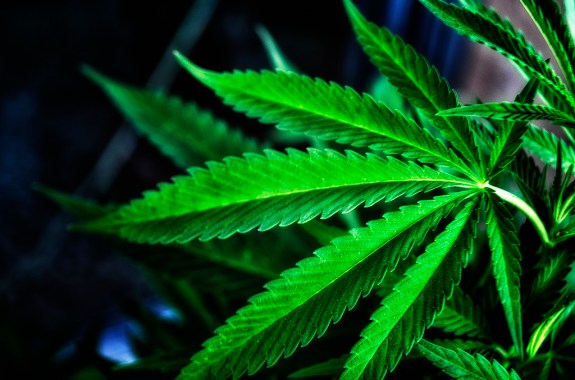
How Older Brains Could Benefit From Marijuana
The research shows promise, but there are a lot of conditions.
7:51
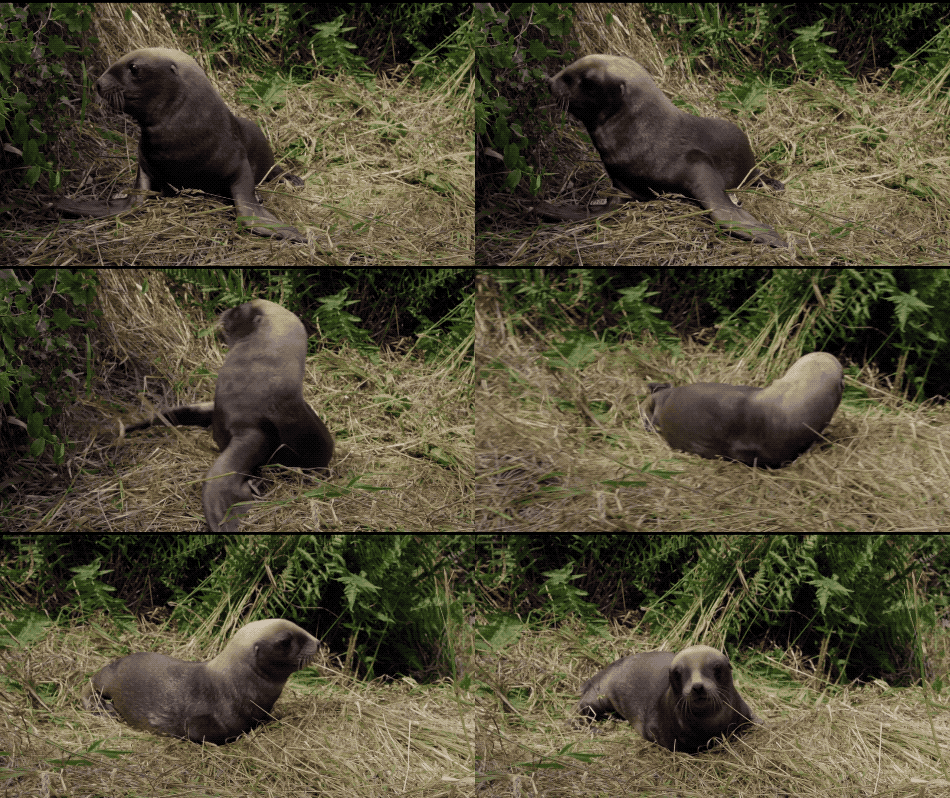
The Comeback Of The New Zealand Sea Lion Pup
The rarest species of sea lion lives on the islands of New Zealand and has made a recent comeback to the mainland.
25:55
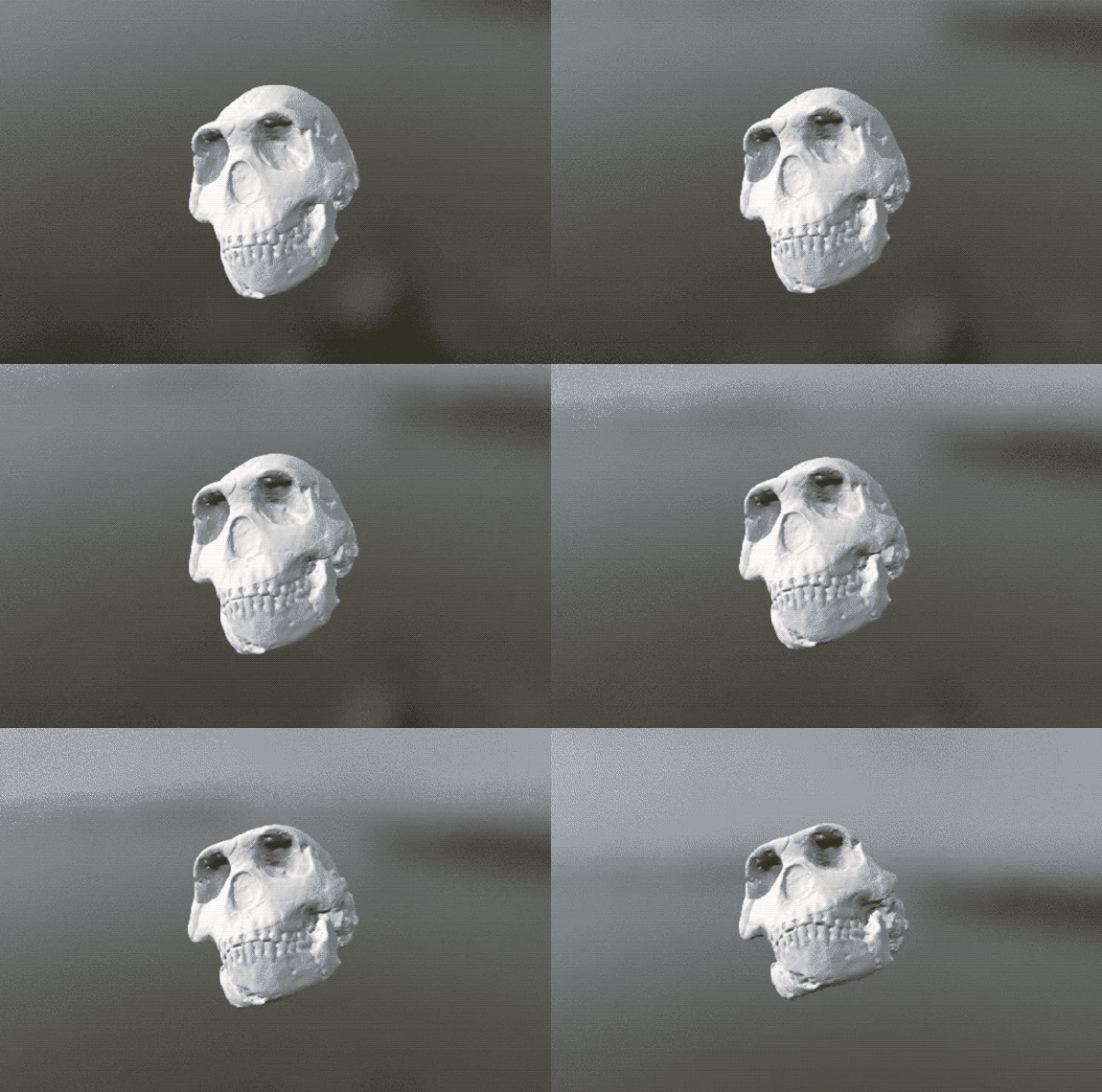
Ancient Homo Naledi May Have Walked Alongside Early Humans
New 3D models of Homo naledi fossils help researchers better understand the human family tree.
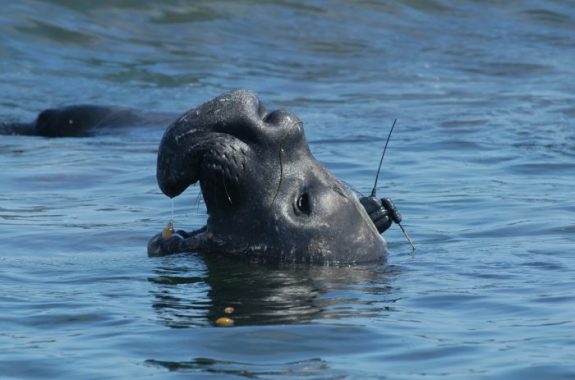
Dive Into The Depths With Seals
Use this interactive to explore ocean data collected by Elephant Seals as they swam through the North Pacific Ocean.
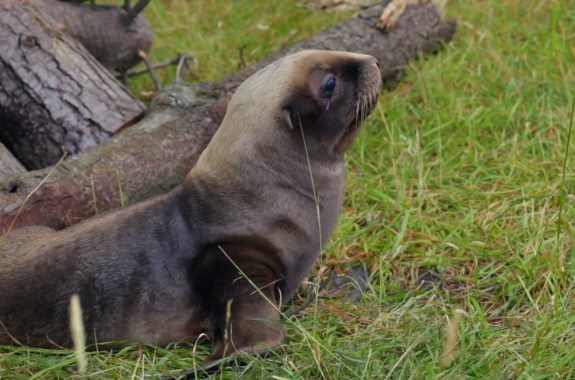
How To Save The World’s Rarest Sea Lion Pups
After being hunted off the mainland of New Zealand centuries ago, a new generation of the Earth’s rarest sea lions species has miraculously returned.
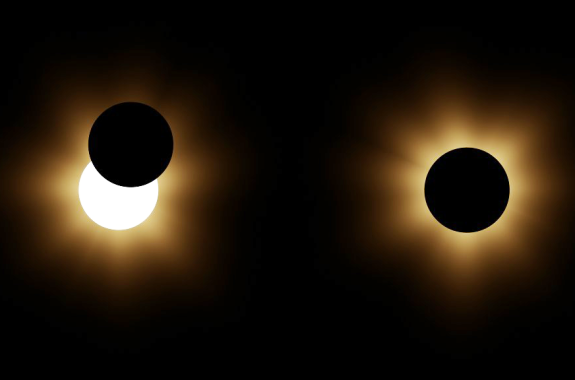
Model Eclipses
Model solar and lunar eclipses by making your own physical, proportional representations of the Earth and Moon.
7:14
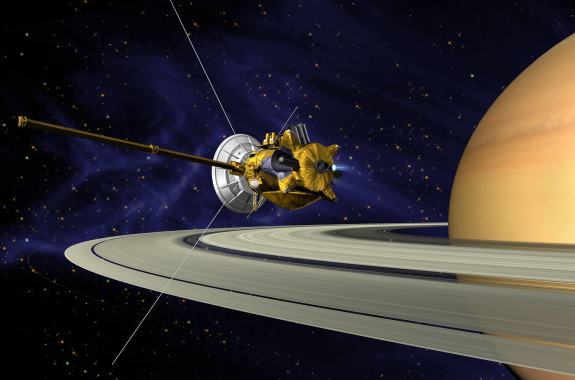
Cassini Acrobatics, Phishing, And The Evolution Of A Skunk
The Cassini spacecraft is in the midst of a series of dives through Saturn’s rings.
4:49
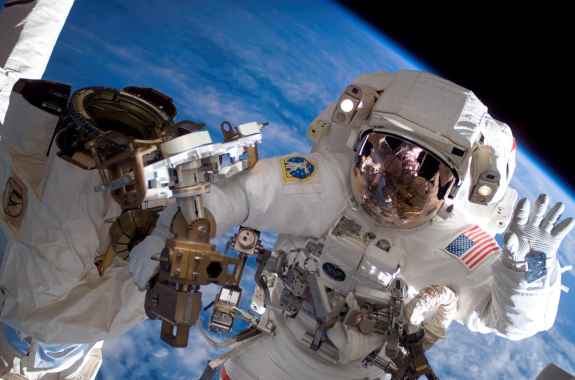
Despite Investment, A Shortage Of Spacesuits
Will NASA finish the next batch in time for future deep-space missions?
7:14
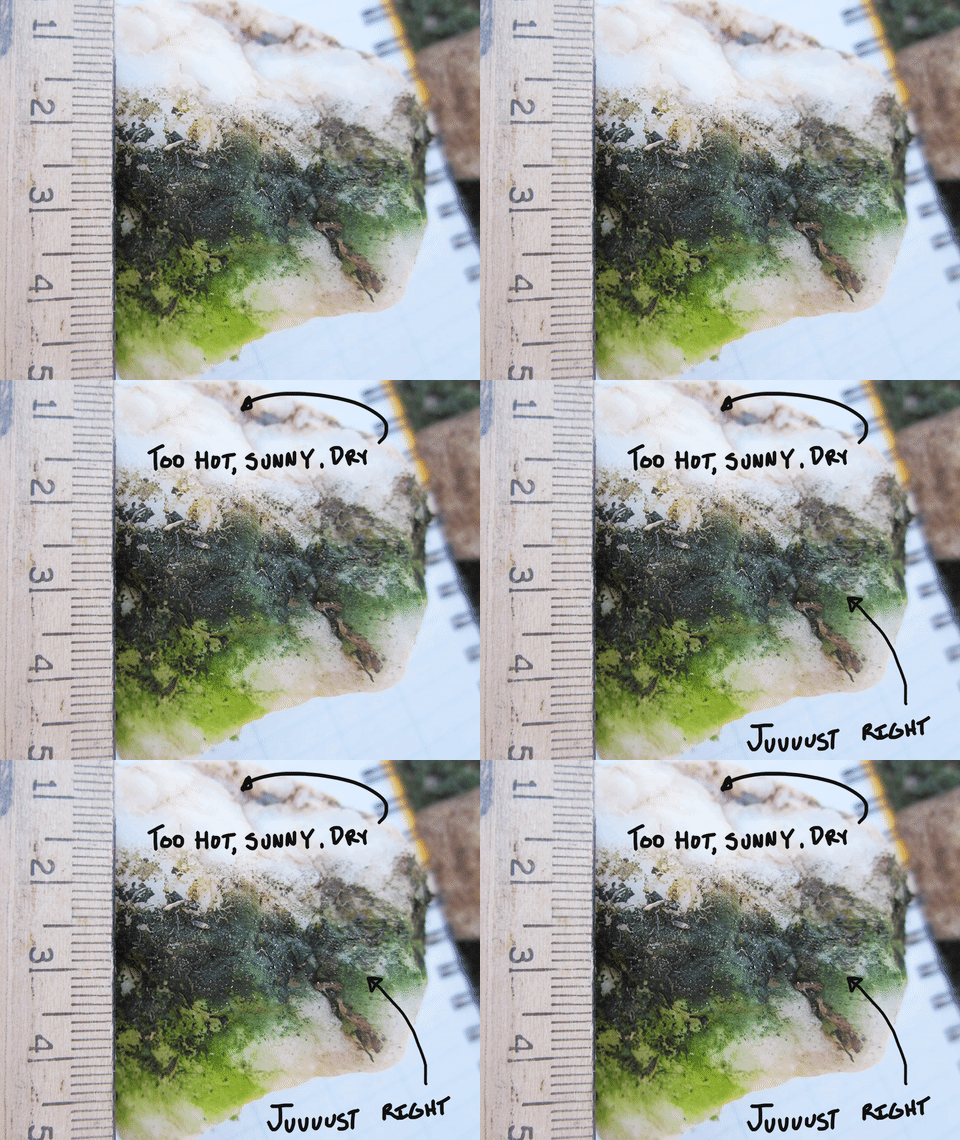
Between A Rock And A Hard Place, Life Thrives
In the driest deserts, hardy bacteria cling to the underside of translucent rocks, eking out an existence where nothing else can.
9:05
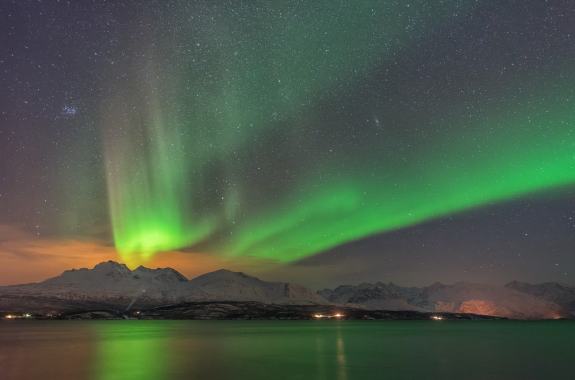
What Happens When ‘The Sun Throws A Glitter Bomb’
The interaction of charged particles from the sun with the Earth’s magnetic field can create a dazzling light show in the upper atmosphere.