On Today's Podcast
Did the fire at the Library of Alexandria set humanity back?
Author Sam Kean explores our fascination with lost knowledge in his new book, “The Museum of Lost Things”
Listen NowSeptember 11, 2026
Scientists used fossil records and AI tools to reconstruct a soundscape of a Jurassic forest. Shorter courses of antibiotics may actually reduce antimicrobial resistance. Plus, a new study found a group of genes associated with fibromyalgia. And, as black bears return to their historic ranges across the U.S., human encounters are increasing. How can bears and people live in harmony?
11:18
Just How Easy Is It to Edit DNA?
The CRISPR-Cas9 gene editing system is a less perfect fix for gene editing than news reports make it out to be.

10:24
No Nose, but a Heck of a Sniffer
Researchers have engineered a spinach plant to sense compounds in the surrounding environment and communicate its findings with humans.
6:24
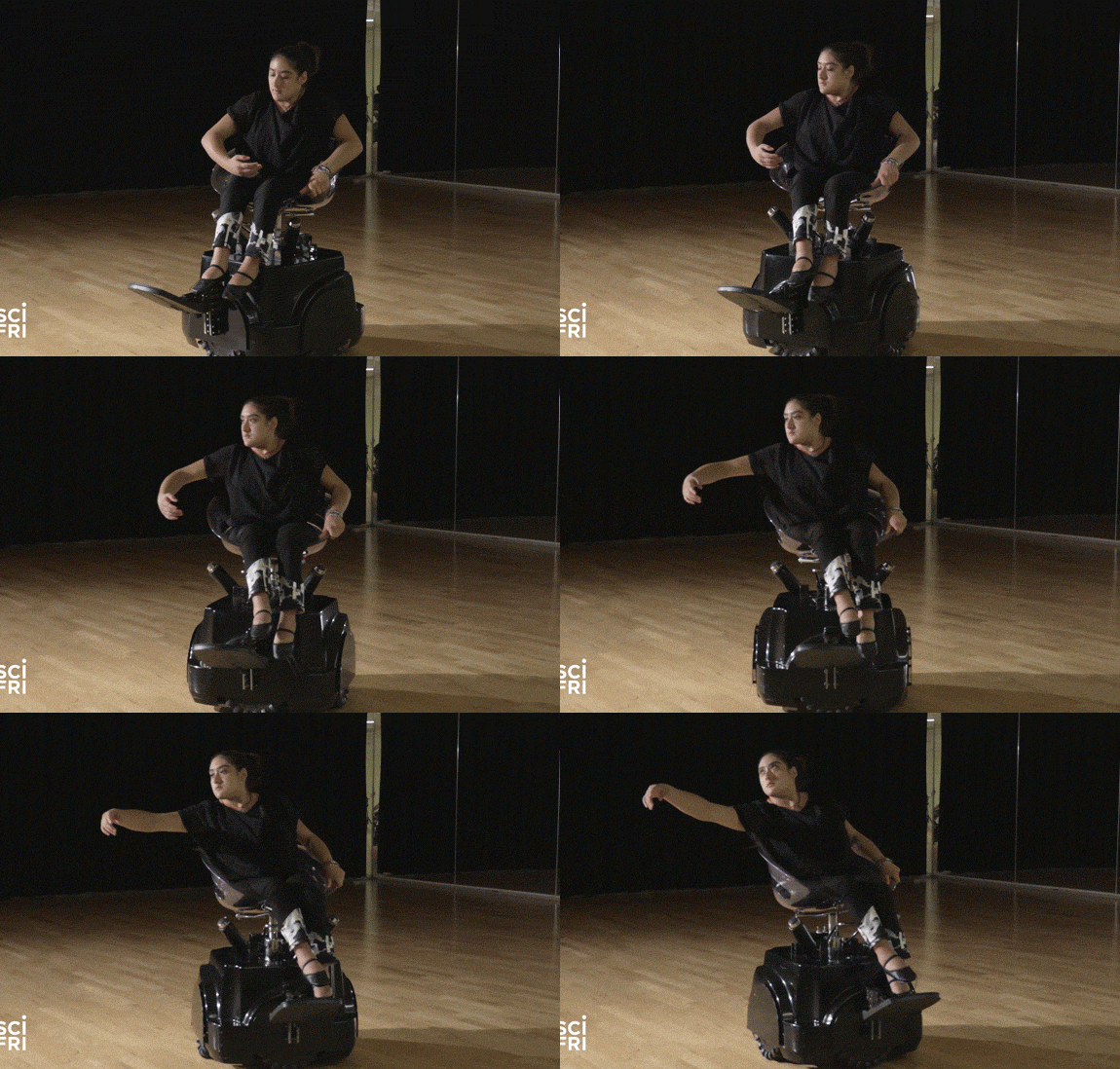
Wireless Power Chair Puts a New Spin on Dance
How a Florida choreographer’s idea could lead to novel dance movements.
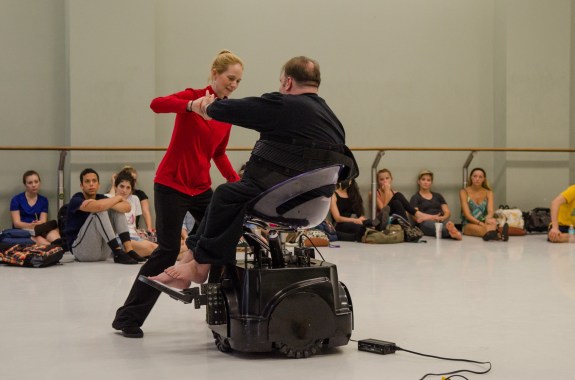
A Chair Fit for Dancing
A “smart” power wheelchair enables dancers to move in new directions.
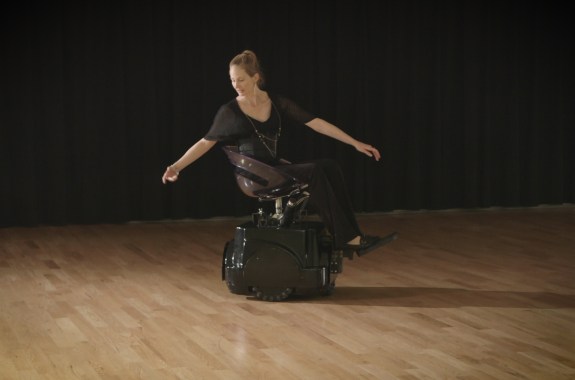
A Chair Fit for Dancing
Equipped with omnidirectional movement, a rotating seat, and a hands-free control, Merry Lynn Morris’ rolling dance chair enables dancers to explore new movement techniques, and may one day provide greater mobility in everyday life, too.

7:15
AIDS Patient Zero, Snoozing Swifts, and Self-Driving Deliveries
Researchers trace the origins of AIDS in the U.S. beyond the original “Patient Zero.”
4:42
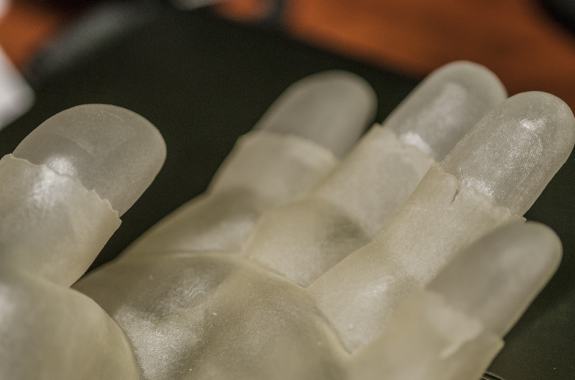
This Glove Fits You With Someone Else’s Fingerprints
Researchers have created a 3D-printed glove with fingerprints, which they say will allow us to standardize tests of biometric systems. But will it hand criminals a new tool?
12:29
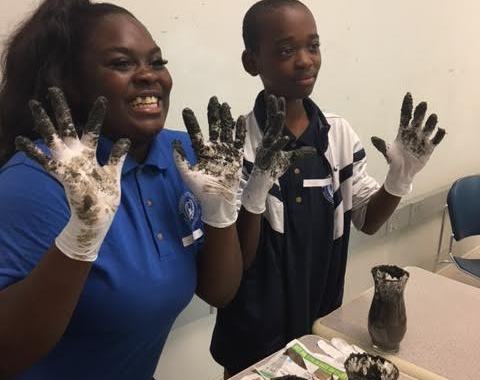
The Microscopic World Beneath Our Feet
Microbial ecologist Bo Adu-Oppong takes us on a tour of the microbes and slime molds living in the soil, and gives her recipe for making a microbial layer cake—an experiment you can try at home.

7:27
Attack of the Internet of Things
The Achilles heel of the internet turns out to be all the stuff that’s connected to it.

10:06
What Is Energy? Alan Alda—and a Bunch of Kids—Want to Know
Scientists across the globe compete in a challenge to explain science to kids.
17:28
Ignore Mary Poppins. Find Fun in the Medicine.
Game developer Ian Bogost has a way to make life more fun that doesn’t require an app.
10:52
DNA as a Key to Plant Conservation
How mapping plant chromosomes can guide scarce resources to the most threatened species.

17:38
What Caused the Midcontinent Rift?
The Midcontinent Rift is an ancient rift system that could have split the country into two parts a billion years ago.

6:50
The Science Club Challenges You to ‘Break It Down’
Sometimes taking something apart can reveal insight into how it works.
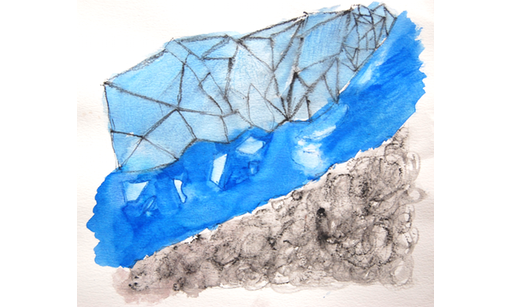
Illustrated Graphs: Using Art to Enliven Scientific Data
Create an illustrated graph using real scientific data, and write an artist’s statement to explain your thinking. Try it with climate change!

7:47
Pyramid Remodeling and the Neighborhood Behavior of Sperm Whales
Annalee Newitz, the tech culture editor at Ars Technica, joins us to discuss the week’s science news, including how to find a hidden room in an ancient pyramid.

4:15
Turning Down the Greenhouse Gases in Your Air Conditioning
A global agreement will phase out heat-trapping HFCs in air conditioners, refrigerants, and other systems.
17:27
Is All Fair in Love and Cyber War?
With rumblings about possible U.S. retaliation for alleged Russian-backed hacks, we ask about the rules and norms that govern international cyber conflicts.
16:46
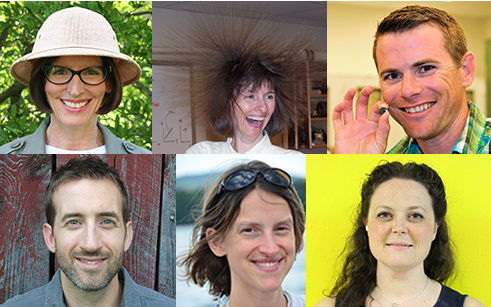
Introducing the Science Friday Educator Collaborative
Six inspiring science teachers have turned Science Friday media into innovative classroom resources.
12:10
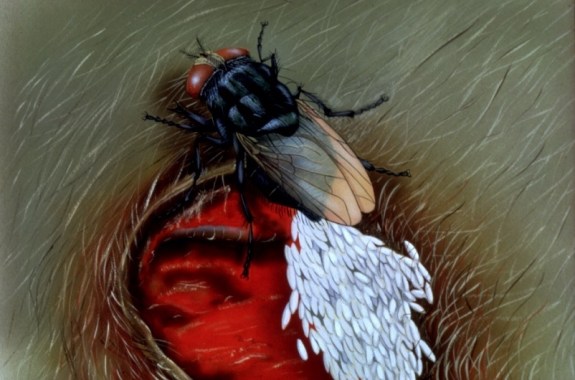
Return of the Screwworm Is Bad News for Endangered Deer
A flesh-eating parasite, previously eradicated on U.S. soil, has decimated Florida’s Key deer. Can the screwworm be re-eradicated in time to save them?