On Today's Podcast
Why are we changing the way we keep time?
Timekeeping scientists around the world voted to stop using leap seconds, but what does this mean for us?
Listen NowOctober 23, 2026
CRISPR pioneer Jennifer Doudna discusses the evolution of gene-editing technology and what it takes to be a good scientist. Timekeepers around the world voted to stop using leap seconds, but what does that mean for us? Plus, how "problem bears" help test engineers evaluate consumer products, author Kazuo Ishiguro on emotional truth in our age of AI, and the science of apple varieties.
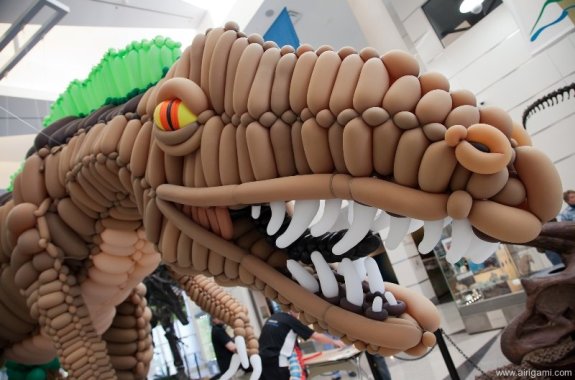
This Dinosaur Is Made From Balloons, Not Bones
A project for the Virginia Museum of Natural History is more than a bunch of hot air.
Predicting Storms, Electroshock Therapy, Germaphiles, and More
A roundup of science stories or studies that blow our mind, tickle our funny bone, or generally strike our fancy.
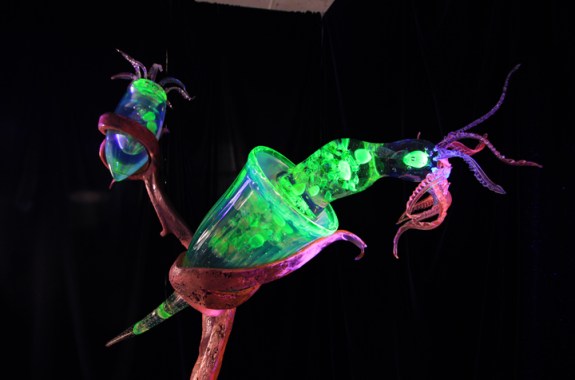
The Perils of Plankton
An artist magnifies an overlooked environmental problem in sculptures that are larger than life.
20:07
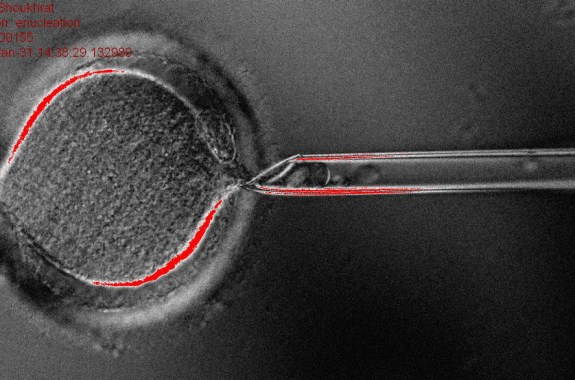
Researchers Report Cloning Advance for Producing Stem Cells
Through cloning techniques, researchers created a source of embryonic stem cells genetically identical to a patient.

20:36
Insects May Be the Taste of the Next Generation, Report Says
Can entomophagy, the eating of insects, help improve the world’s food resources?
6:02
Desktop Diaries: Daniel Kahneman
A visit with psychologist Daniel Kahneman, who won the Nobel Prize in economic sciences in 2002.
20:37
Resetting the Theory of Time
Physicist Lee Smolin explains his theory of time, and why the future of physics depends on it.
25:53
When Great Scientists Got It Wrong
In Brilliant Blunders, Mario Livio explores colossal errors by science’s greatest minds.

Desktop Diaries: Daniel Kahneman
“I have always emphasized the willingness to discard,” says psychologist and Nobel Laureate Daniel Kahneman. That philosophy works on two levels—forget desk trinkets, Kahneman doesn’t have a desk—and he doesn’t hoard ideas either he says.
Brilliant Blunders
Were the theories of illustrious minds such as Linus Pauling and Albert Einstein free of serious blunders? Absolutely not!

Three Insect Recipes to Help the Arthropods Go Down
Insects pack a protein punch. Get the most of your meal with these recipes.
Help SciFri Make a Summer Reading List
Recommend your favorite science-themed books, and SciFri will compile a list of the top 15.
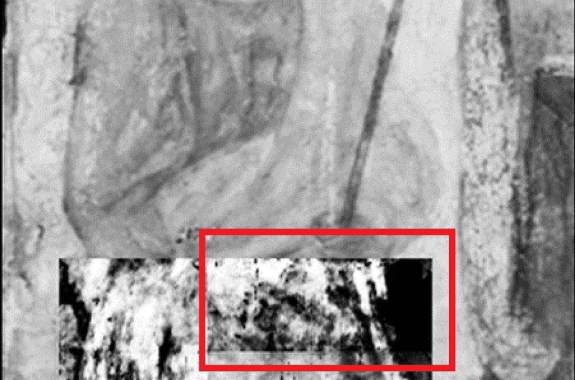
What Lies Beneath
Using a scanning technology called terahertz imaging, scientist J. Bianca Jackson searches for hidden artwork behind paint and plaster.
Alien Invaders, Baby Seal Brains, and More
A roundup of science stories or studies that blow our mind, tickle our funny bone, or generally strike our fancy.
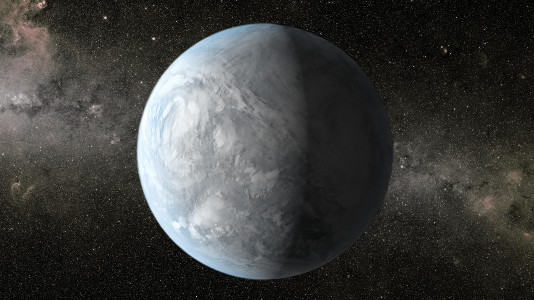
Are We Alone in the Universe?
It seems incredible that earthlings could be the first technological society. So where is everyone?
46:30
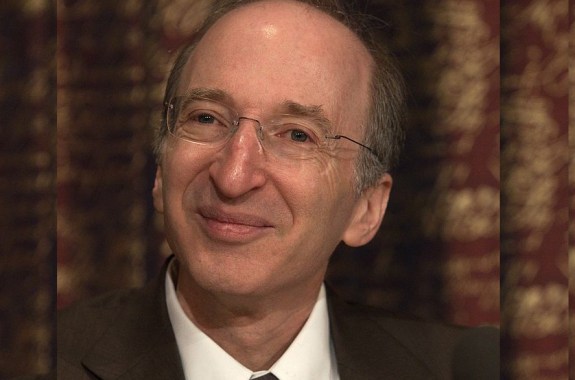
Exploring an Ever-Expanding Universe
Saul Perlmutter discusses his Nobel Prize-winning work measuring the accelerating expansion of the universe.
24:20
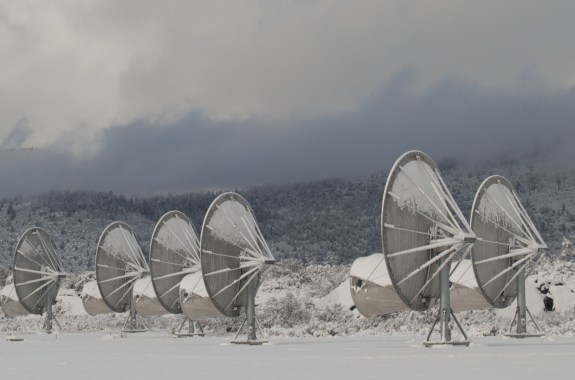
Hello…Is There Anybody Out There?
The SETI Institute’s Jill Tarter talks about her career searching for intelligent life beyond Earth.
4:54
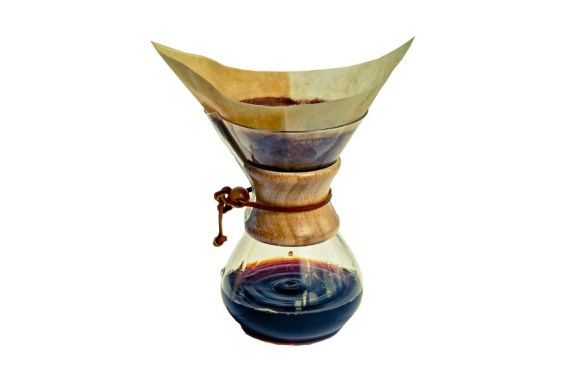
Experts Percolate on How to Brew Coffee
Brewmasters discuss how to get the most out of your grinds.

23:10
Microexpressions: More Than Meets the Eye
By studying split-second facial expressions, psychologists hope to uncover hidden emotional cues.

18:12
The Myth Of Multitasking
Psychologist Clifford Nass says multitasking may be killing our concentration and creativity.