On Today's Podcast
What is lymphatic drainage, anyway?
A new wellness trend focuses on stimulating the lymphatic system. What does this system do, and is there science to back these claims?
Listen NowSeptember 18, 2026
Hawaiʻi has generally been safe from the worst effects of hurricanes. But this year, two hurricanes battered the islands in a matter of weeks. A new wellness trend focuses on stimulating the lymphatic system. What does this system do, and is there science to back these claims? Plus, perimenopause science, our fascination with lost knowledge, and a snake's spider-like tail appendage.
7:24
A Trip to a Gadget Nirvana
The annual Consumer Electronics Show opened this week in Las Vegas, with gizmos galore.
4:44
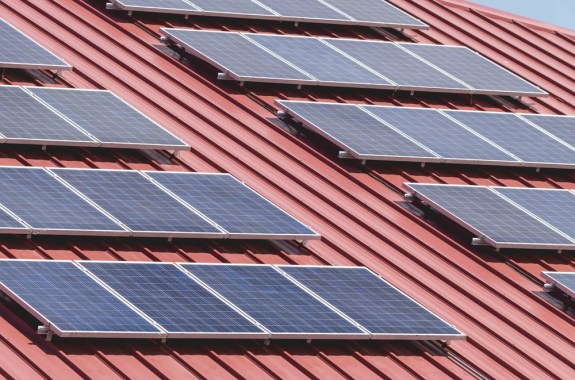
Solar Manufacturers Suffer as Panel Prices Drop
The price of solar photovoltaic panels is dropping, and solar manufacturers are being squeezed.
17:39
What’s the Best Way to Convince a Climate Change Denier?
More data doesn’t seem to change minds, but focusing on solutions might help.
17:00
There’s a Science Advocate in the House (of Representatives)
A conversation with congressman and physicist Bill Foster.
11:37
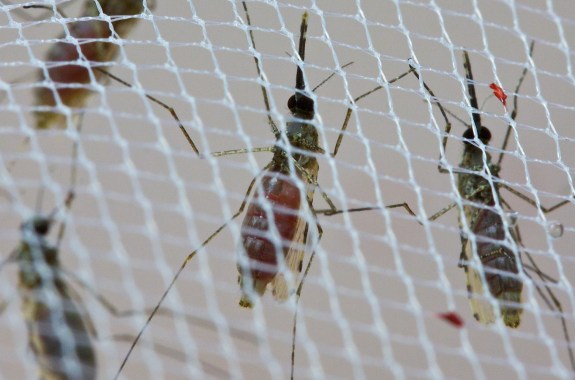
Genetically Modified Parasite Shows Promise for Malaria Vaccine
A new approach to defeating a top killer looks safe, but will it be effective?
7:35
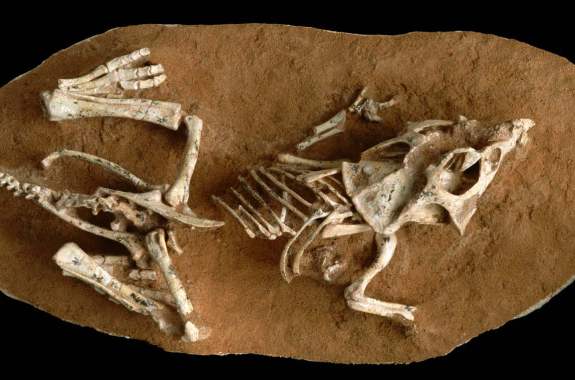
Cracking Open How Dinosaurs Hatched
The incubation period for dinosaurs, depending on the species, could have ranged from 3–6 months.
9:33
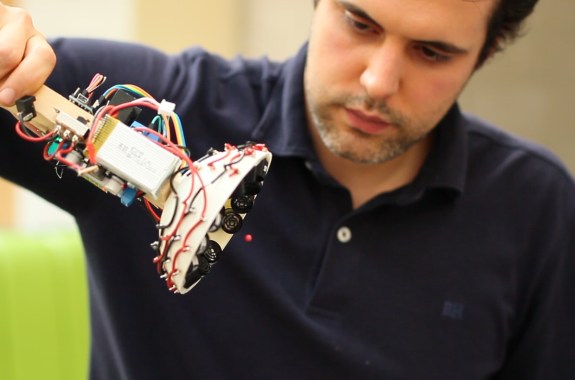
Create Your Own Tractor Beam
It’s not exactly like the one in “Star Wars,” but it’s pretty cool all the same.
16:27
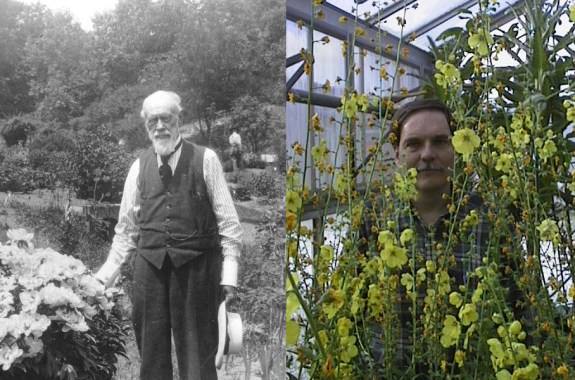
Slow Science: A Look at Long-Lived Experiments
A look at a 140-year-old seed viability project and E.coli populations that have evolved for more than 66,000 generations.
Can I Drink Alcohol With a Cold? Your Cold Questions, Answered.
Arm yourself with these cold facts, and fight sniffles smarter.
30:01
This Census Requires Eagle Eyes
Every December, tens of thousands of birders grab binoculars, bundle up, and head outside for Audubon’s Christmas Bird Count.
17:17
What Gives Bubbly Its Bubbles?
With New Year’s Eve just around the corner, SciFri salutes the fizz in your champagne flute.
46:55
2016 Year in Review
Gravitational waves, CRISPR, and Pokémon Go—a look at the big science stories of 2016.
The Best of Science Friday, 2016
SciFri staffers pick their favorite stories and activities from the year.
12:00
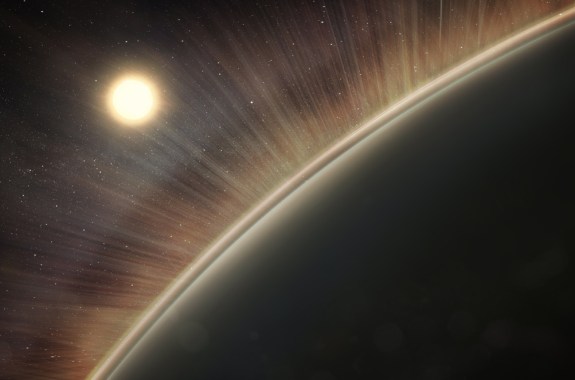
Space Trivia, and a Cosmic Trip Planner
Astronomer Dean Regas shares some of his favorite stellar facts, and offers tips for the big skywatching event of 2017: the solar eclipse.
09:02
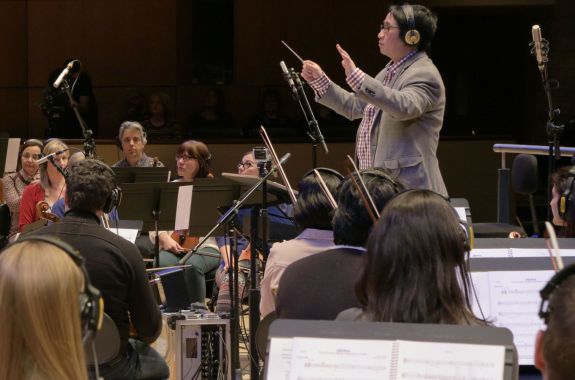
Notes On Composing For Science
Film composer Darren Fung describes what it took to score the science documentary series “The Great Human Odyssey.”
29:02
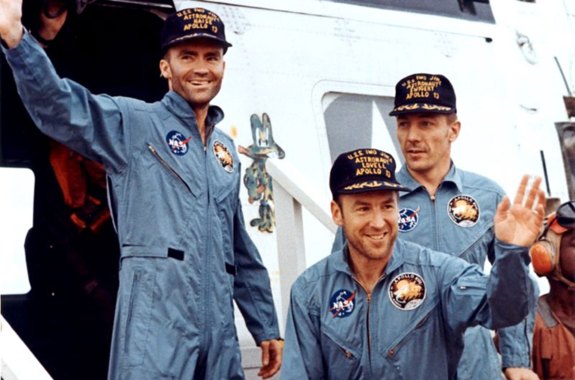
A True Story of High Drama in Space
In this 1995 segment from the Science Friday archives, Apollo 13 mission commander Jim Lovell tells the story of the flight’s survival after an explosion in space.
17:14
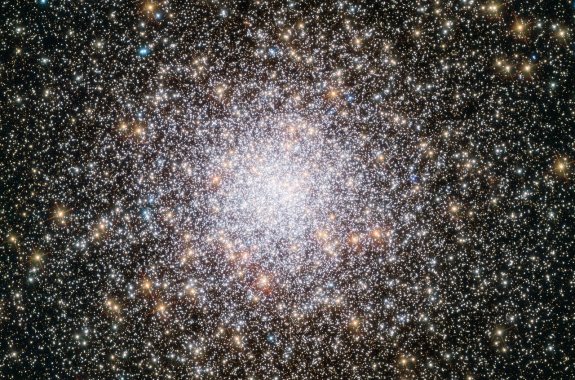
The Amazing Expanding, Accelerating Universe
In this 1999 conversation from the Science Friday archives, astrophysicists Neta Bahcall and Wendy Freedman explain the then-revelation that the universe’s expansion is accelerating, not decelerating.
00:26:38
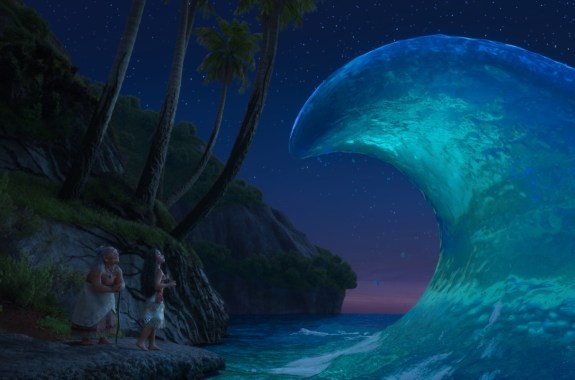
The Secret to Moana’s Special Animation Sauce? Just Add Water.
Disney animators break down the water effects in its latest hit film.
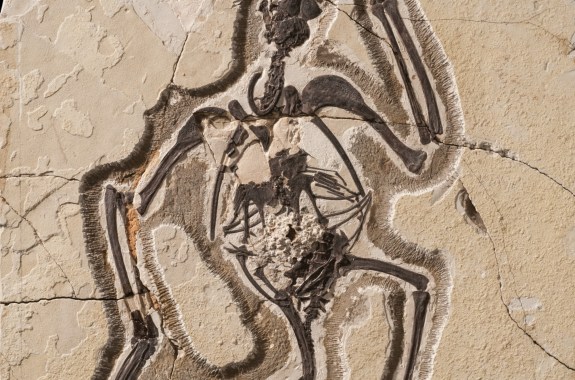
From China, A Flock Of Fossils
Over the past three decades, fossil hunters have hit pay dirt in northeastern China, unearthing thousands of superbly preserved Mesozoic bird remains.
17:33
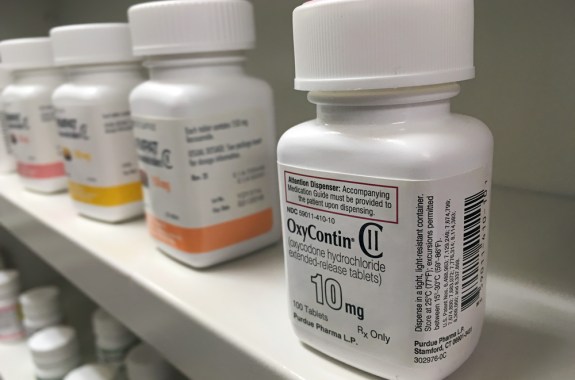
What’s Fueling the Current Opioid Epidemic?
Nearly 80 people die each day from overdosing on opioids, which include heroin and prescription pain pills.