On Today's Podcast
The tilcayo is the new wild cat on the block
The tiny, three-pound tilcayo is the first cat species to be described in a century, and, yes—it is as cute as you’d think.
Listen NowOctober 2, 2026
The tiny, three-pound tilcayo is the first cat species to be described in a century, and, yes—it is as cute as you’d think. Are natural history museums going extinct? John Wilson’s latest feature film, “The History of Concrete” is an idiosyncratic journey about more than just concrete. Plus, to prepare for an overseas game, the LA Rams tried a hail mary jetlag strategy.
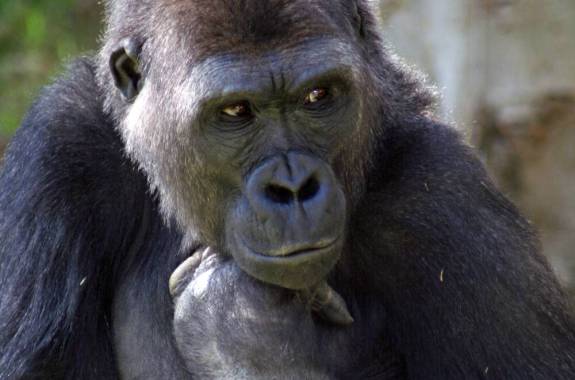
Gorilla Genome Sheds Light On Human Evolution
A study in Nature finds that gorillas are more like humans than previously thought.
How To Get More For Your Bite
A look at how genes, anatomy, history and culture affect the food choices we make.
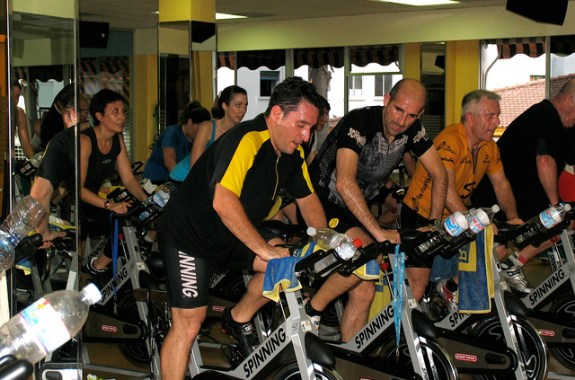
A Workout Can Change Your DNA
New research shows that strenuous exercise can change your genes to boost energy metabolism.

Dark Matter Just Got More Mysterious
A smashup between two galaxy clusters left an unexpected amount of dark matter in its wake.
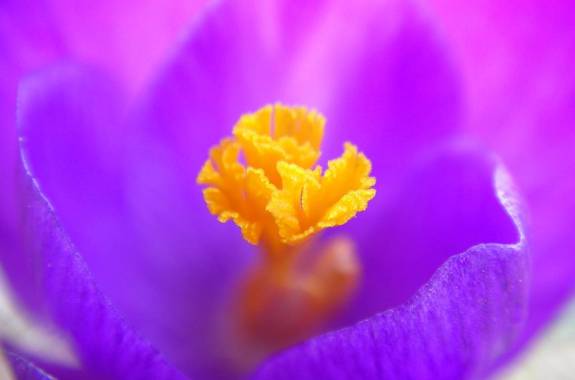
Can An Early Spring Confuse Nature’s Clock?
Tom Turpin and Kristin Schleiter discuss how an early spring can affect flower buds and bees.
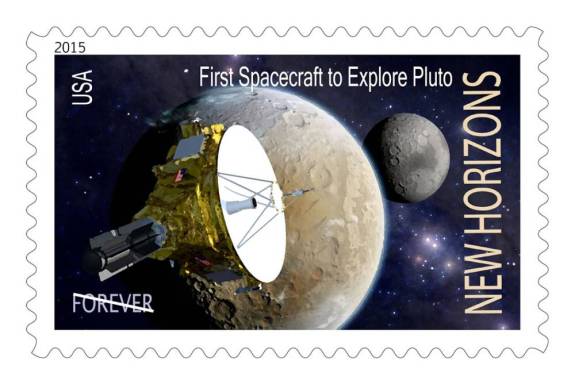
Planet Or Not, Pluto’s Getting A Visitor
An update on the New Horizons Mission to Pluto.
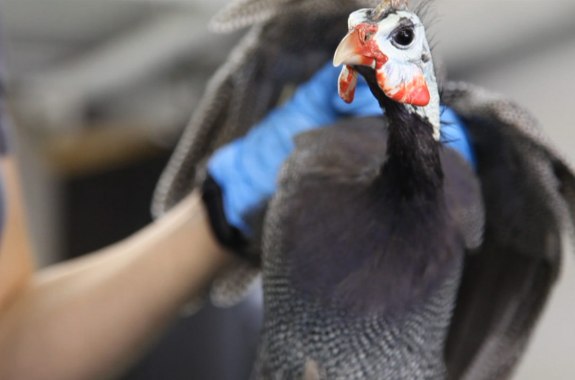
Studying Locomotion With Rat Treadmills, Wind Tunnels
For some scientists, a regular day at the office is training a guinea fowl to run on a treadmill.

Partnerships Help Drugmakers Get Closer To Patients
A look at new partnerships that take drug development out of the clinic and into the real world.
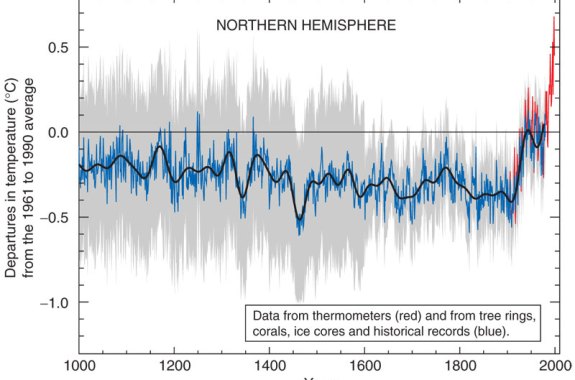
Michael Mann, From The Trenches Of The ‘Climate War’
Michael Mann discusses his new book and his journey from computer geek to climate warrior.
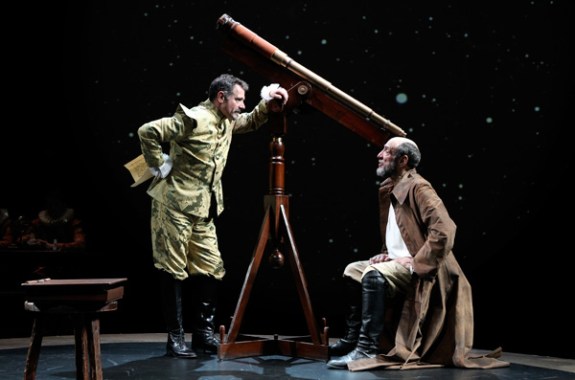
‘Galileo’ Lives In A New Production
F. Murray Abraham stars in an off-Broadway production of Bertolt Brecht’s ‘Galileo.’
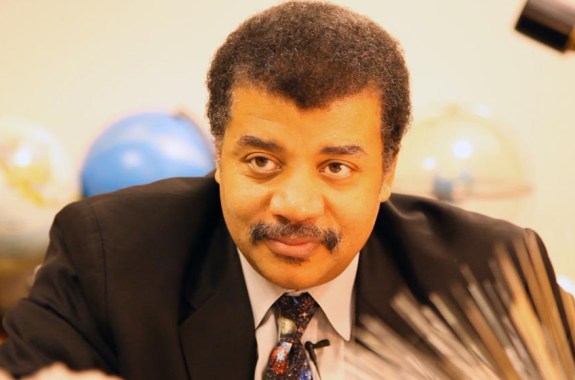
Neil deGrasse Tyson On Exploring Cosmic Frontiers
In Space Chronicles, Tyson argues that space exploration is vital to human progress.
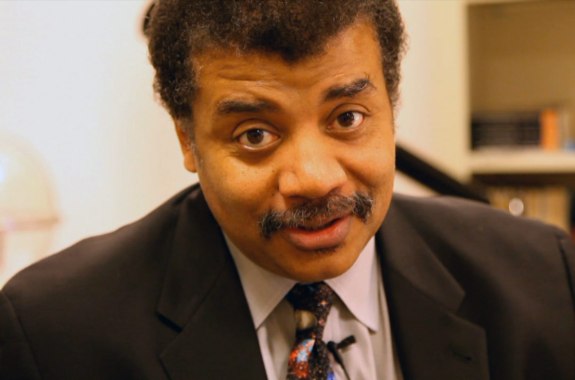
Desktop Diaries: Neil deGrasse Tyson
Astrophysicist Neil deGrasse Tyson takes us into his office at the Hayden Planetarium in New York City for a tour of his office, in the fourth of Science Friday’s Desktop Diaries series.
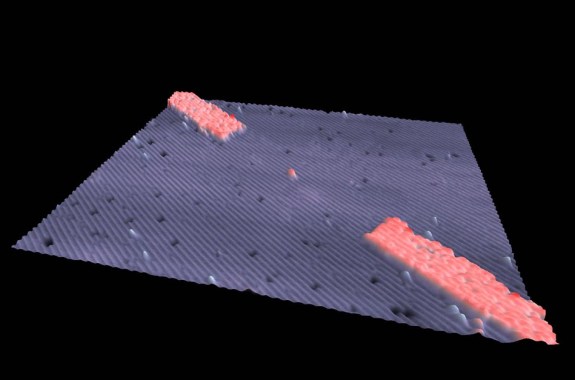
Reaching For The Limits of Tiny Transistors
Researchers have created a working transistor out of just one phosphorous atom.

Weaving Around Web Privacy Controls
Privacy researcher Lorrie Cranor discusses recent evasions of privacy controls in web browsers.
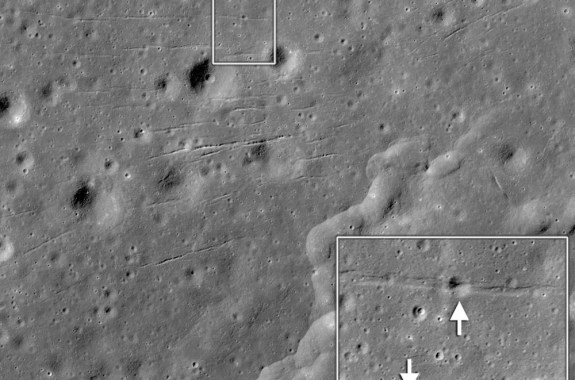
Imagining A More Active Moon
New research says that our moon may be more geologically active than once thought.
Secret Life Of Ice
Photographer Edward Aites zoomed in on ice and found a beautiful and foreign landscape.
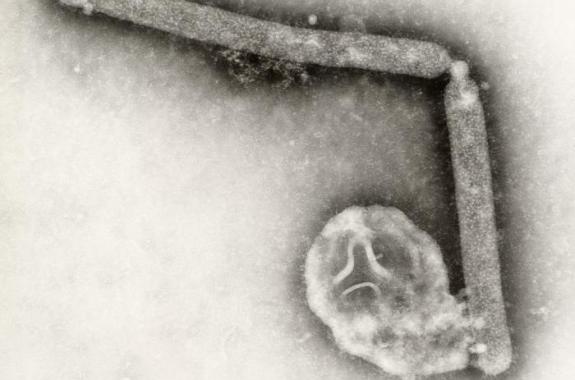
Mild Winter May Be Keeping Flu Bugs At Bay
This year’s flu season is off to a later start than any other year on record, according to the CDC.
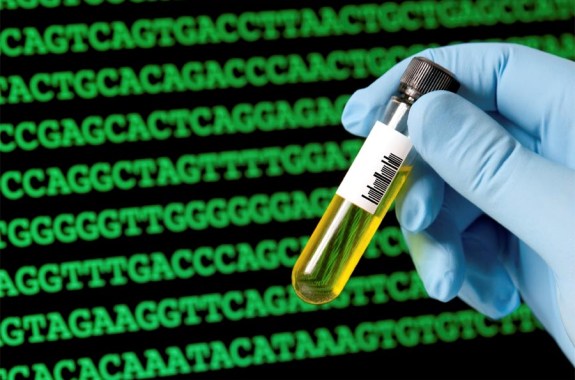
Genetic Test Reveals Unexpected Data
A look at one reporter’s personal journey to understand the risks and benefits of DNA. mapping.
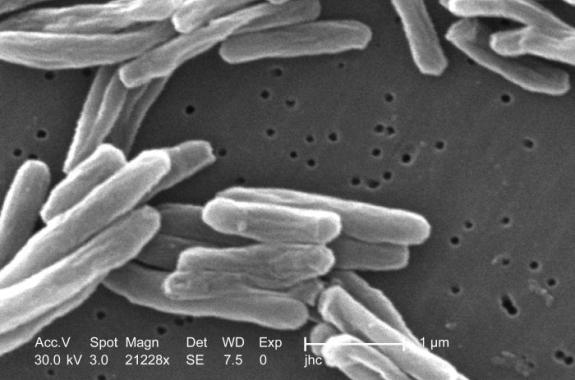
The Origin Of The Word ‘Tuberculosis’
Why did we stop calling the disease ‘consumption’?
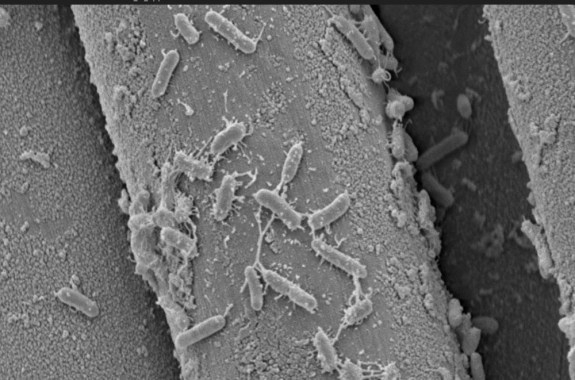
Powering Up…With A Microbial Fuel Cell
Researchers used river mud–and the bacteria that live in it–to power a fuel cell.