On Today's Podcast
The tilcayo is the new wild cat on the block
The tiny, three-pound tilcayo is the first cat species to be described in a century, and, yes—it is as cute as you’d think.
Listen NowOctober 2, 2026
The tiny, three-pound tilcayo is the first cat species to be described in a century, and, yes—it is as cute as you’d think. Are natural history museums going extinct? John Wilson’s latest feature film, “The History of Concrete” is an idiosyncratic journey about more than just concrete. Plus, to prepare for an overseas game, the LA Rams tried a hail mary jetlag strategy.
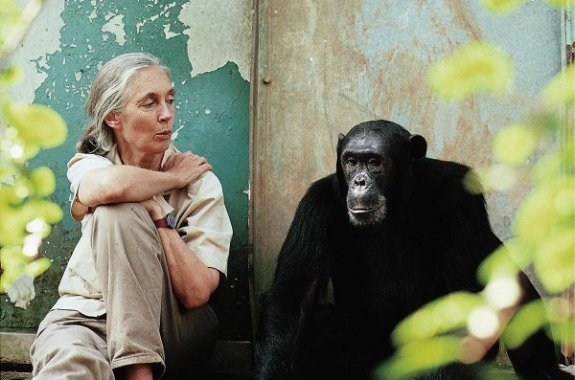
Jane Goodall On The Future Of Evolutionary Science
In this segment, Ira talks with primatologist and anthropologist Jane Goodall about her work in studying chimpanzees, preserving habitats, and what lies ahead for the field of evolutionary science.
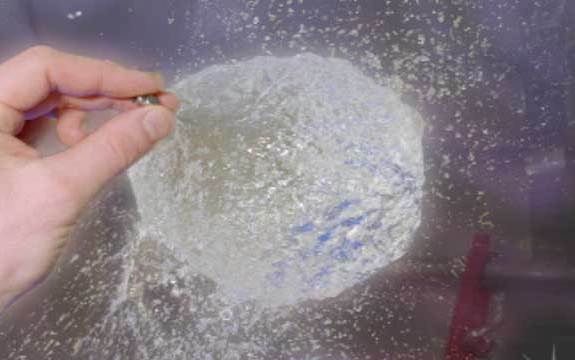
Water Balloons in Space
About ten years ago, two scientists had a little extra time on board NASA’s low gravity aircraft and came up with the idea of popping water balloons.
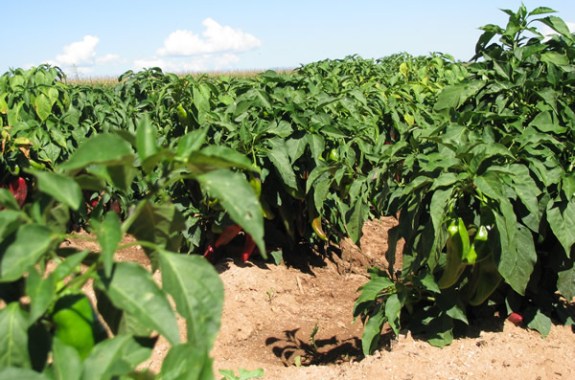
Chile Peppers
In this segment, live from Tucson, Arizona, we’ll take a scientific look at the chile pepper, from the chemistry and biology of a pepper’s burn, to the psychology of why some people like it hot. Grab some salsa and listen in!
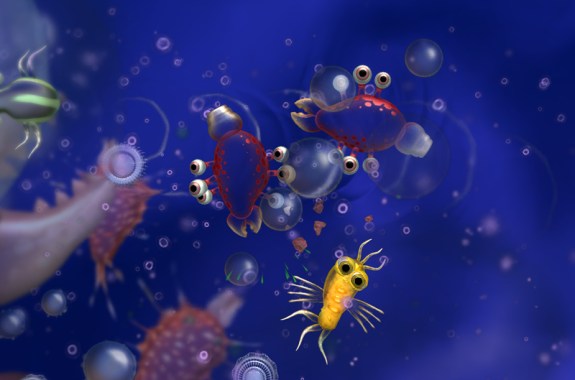
Spore and Evolution
How close is the new computer game Spore to the way evolution really works?
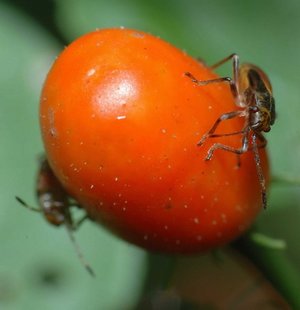
What Put the Heat in Chili Peppers?
New research indicates that chili pepper plants may have developed their signature heat as a way to fight off fungal infections caused by insects.
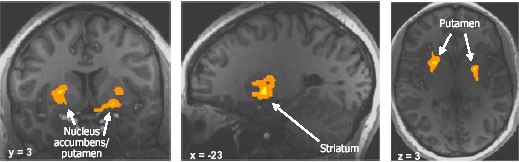
Looking Inside the Human Brain
What’s really going on inside your head? We’ll talk with scientists using functional magnetic resonance imaging to study the workings of the human brain.
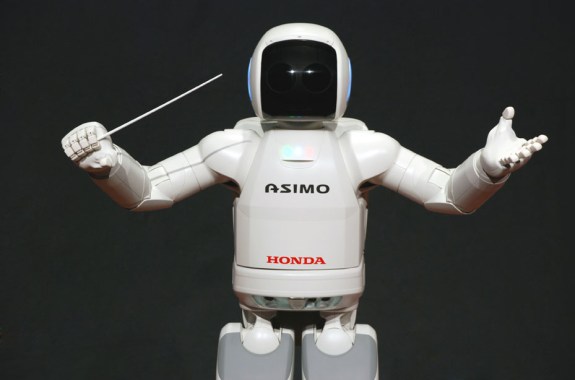
Building Social Robots
Sure, robots can weld car parts or stack cartons on an assembly line. But can they develop friendships with people? In this hour, Ira talks with inventors developing robots with personalities. How soon will it be before social, lovable robots enter our homes?
Oliver Sacks: ‘Musicophilia’
How does music affect the brain? Join Ira in this segment for a conversation with neurologist and author Oliver Sacks about the brain and music.
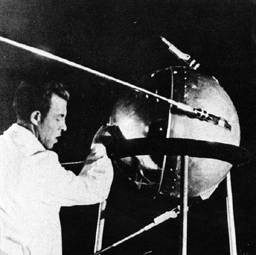
Sputnik Anniversary
Fifty years ago, a little beeping ball stunned the world. Join Ira Flatow in this hour of Science Friday for a look back at Sputnik and its effect on the way we look at the world.

Data Reawakening
As archivists struggle to store the mountain of data on the internet, researchers are trying to use atoms, diamonds, and DNA to let data live on forever.
The Librarians Saving The Internet
You may think that anything uploaded onto the internet is there forever—but the constant churn is a challenge to the archivists trying to backup the web.

Ghosts In The Reels
Even in this era of cloud storage, many data centers still use good, reliable magnetic tape. But as the technology develops at a faster rate, this backup is quickly becoming obsolete. What will become of the forgotten data preserved on the tape of the past?
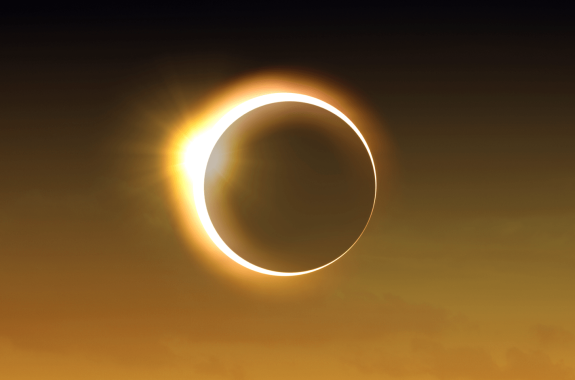
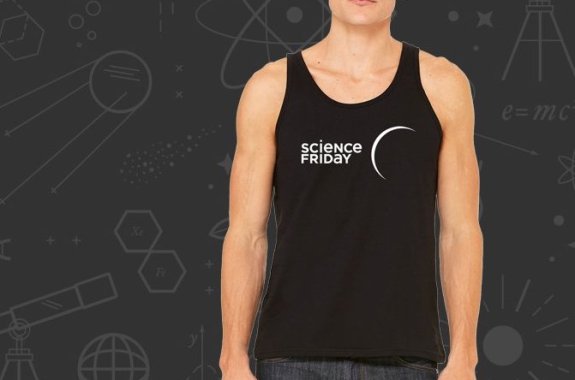
Look Stellar With A SciFri Eclipse Tank
Buy yours today before the Great American Eclipse!
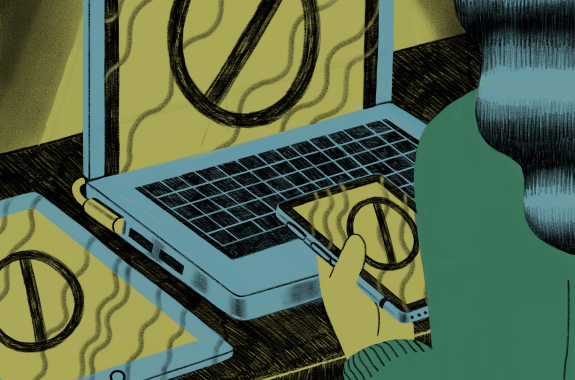
What Will Actually Get You Censored On The Chinese Internet?
From our podcast Undiscovered: Meet the team of researchers that accidentally found out.
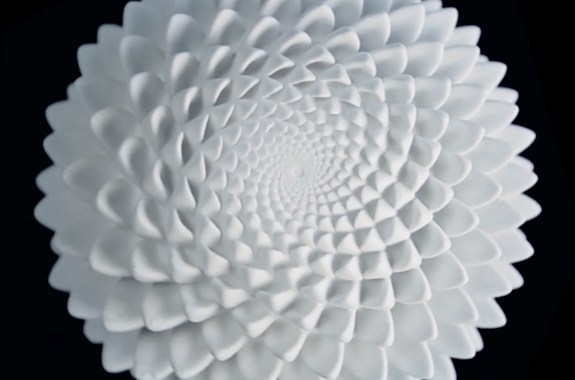
Creating The Never-Ending Bloom
Using meticulously crafted platforms, patterns, and layers, Edmark’s art explores the seemingly magical properties that are present in spiral geometries.
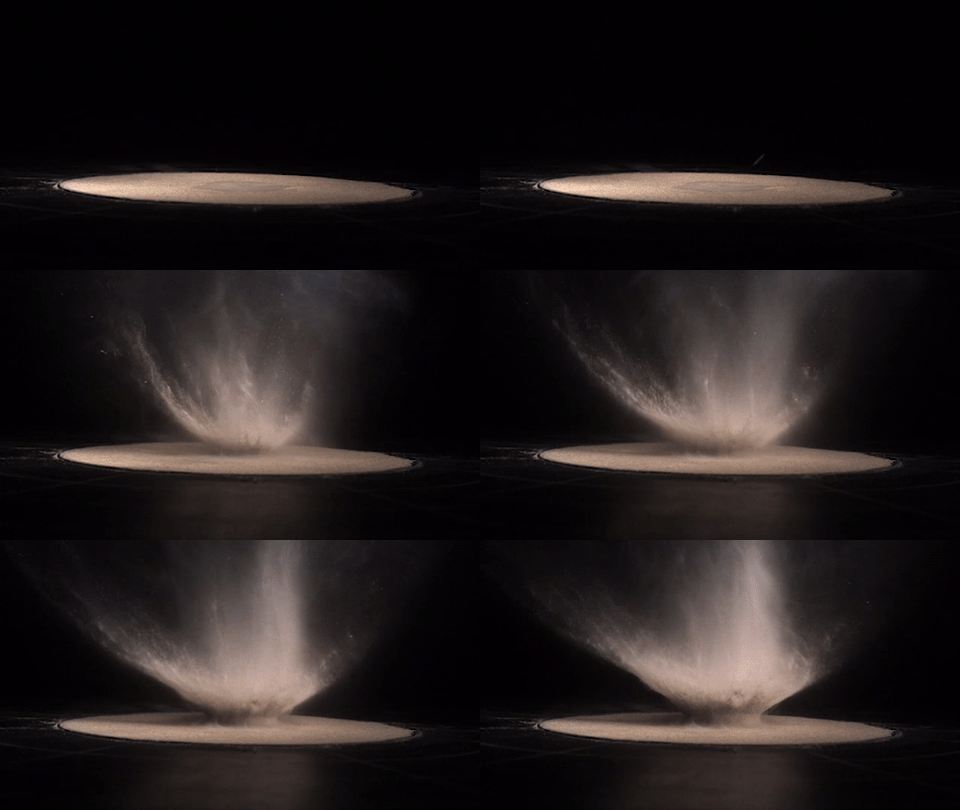
The Long Shot
More than two decades ago, a geologist traveled to Argentina to hunt for hidden craters. What he uncovered could change how we look for extraterrestrial life.