On Today's Podcast
Isabella Rossellini on how acting connects to animal cognition
Should we anthropomorphize animals or not? An actor and an ecologist share what they’ve learned about animal cognition.
Listen NowOctober 23, 2026
CRISPR pioneer Jennifer Doudna discusses the evolution of gene-editing technology and what it takes to be a good scientist. Timekeepers around the world voted to stop using leap seconds, but what does that mean for us? Plus, how "problem bears" help test engineers evaluate consumer products, author Kazuo Ishiguro on emotional truth in our age of AI, and the science of apple varieties.
13:43
The Ultimate Parallel Processor: Quantum Bits
The world’s most time-consuming calculations could someday be solved by quantum computers.
21:26
Ask an Ophthalmologist: Bringing Your Eye Questions Into Focus
Ophthalmologists Lisa Park and Anne Sumers address queries about eyes and vision.
16:48
The Bacteria Behind Your Favorite Blues, Bries, and More
Microbiologist Rachel Dutton discusses the bacterial battle behind the tastes and textures of cheese.
07:55
Researchers Set Their Sights on Ocular Stem Cell Therapy
Researchers used stem cells to grow eye tissues in petri dishes and regenerate lenses inside of the body.
To Stave Off Extinction, Make Half of Earth a Nature Reserve
E.O. Wilson says that the political and practical mechanisms to make half the world into a nature reserve already exist.
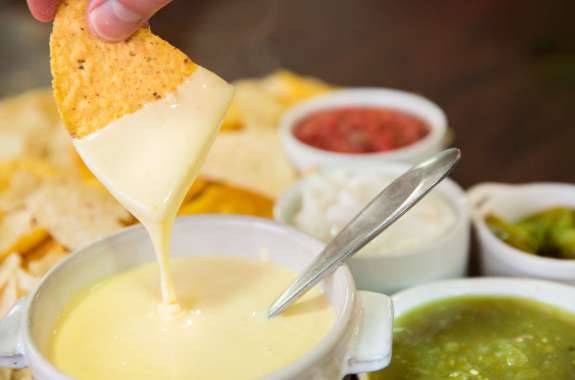
How to Make the Ultimate Nacho Cheese Sauce
Melting salts are key to this tasty recipe.
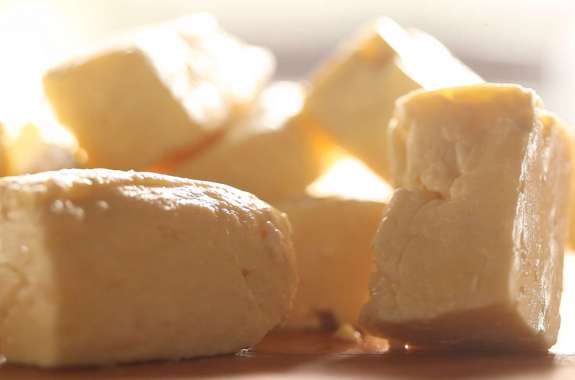
Making Squeaky Cheese Curds
Perfecting the squeak requires a mesh of long, elastic protein strands that rub against your teeth enamel.
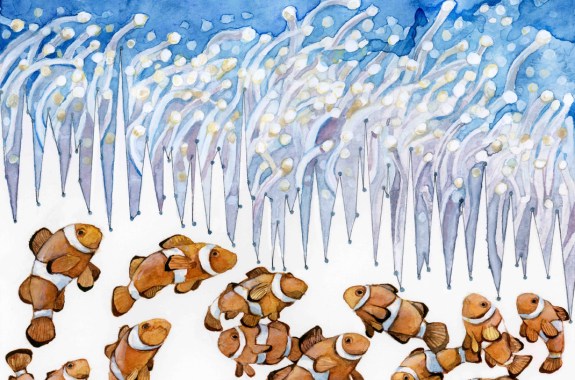
Connecting the Dots on Climate Change
There’s more science than first meets the eye in these vivid watercolor paintings.
No Whey! Six Surprising Facts About Cheese
Bet you didn’t know these deliciously cheesy facts.
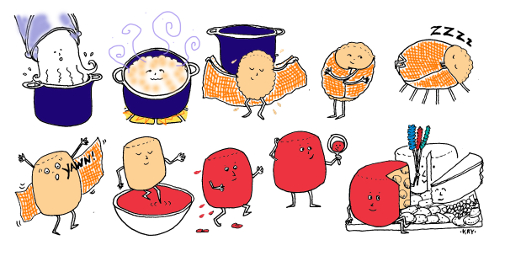
Get Cheesy: Make Curds and Mozzarella
Learn to make cheese curds and experiment with different types of milk to determine how fat, protein, and sugar content affect the yield and quality of curds.
11:50
Cancer Immunotherapy, Fear in the Natural World, and Abolishing Time Zones
Fine-tuning cancer immunotherapy and the good and bad of eliminating time zones.
17:26
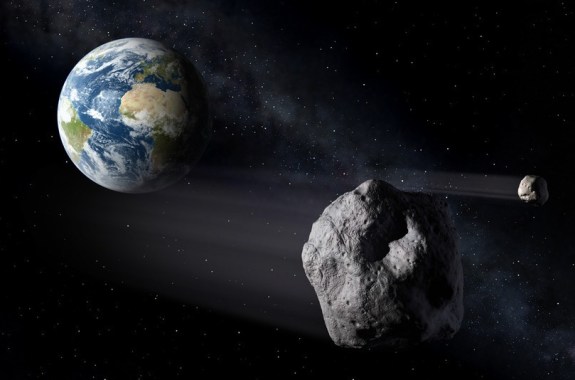
Inside NASA’s Planetary Defense Office
How does NASA plan to protect the planet against an asteroid or comet strike?
15:54
To Stave Off Extinction, Protect ‘Half-Earth’
In his new book, “Half-Earth,” Harvard biologist E.O. Wilson argues that we must set aside half the planet for nature.
12:13
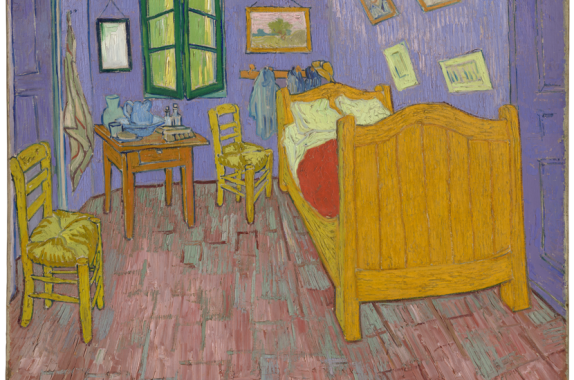
Revealing Van Gogh’s True Colors
Are the walls of Van Gogh’s “The Bedroom” blue…or violet? A chemist shares the results of a scientific investigation into Van Gogh’s palette.
9:51
Cable Box Wars: The FCC Battle to Open Up Cable Navigation Devices
Will the Federal Communications Commission proposal expand how consumers access pay-TV services?
24:11
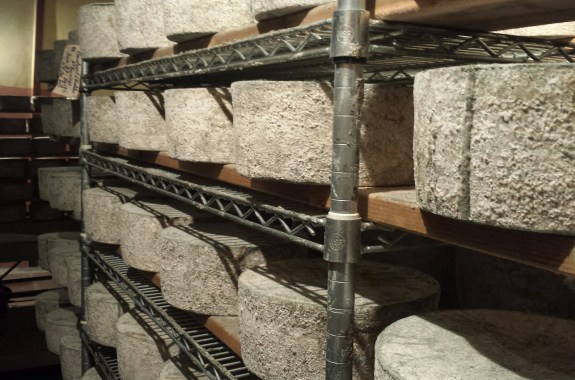
The Perfect Cheese Pairing? Science
Cheese is the subject of a special SciFri investigation this week and next, including tales of the “maestro of mozzarella” and the aging tricks of a Wisconsin cheddarmaker.
Has Human Influence Already Defined a New Epoch?
E.O. Wilson on how we may have already entered the Anthropocene, the Epoch of Man.
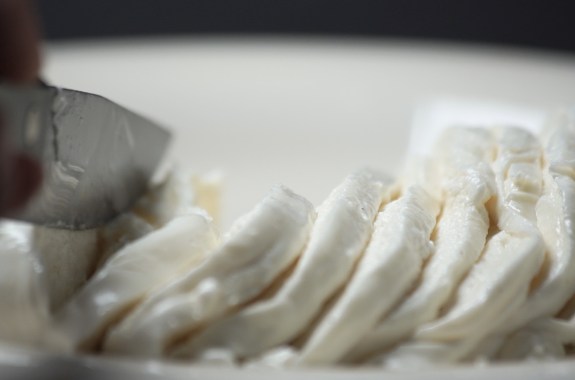
A Wedge of Science
From fresh mozzarella to processed American, a look at the science of cheese.
#SciFriTrivia: DANGEROUS SCIENCE!
It’s time for the Second Annual Science Friday Trivia Event.