On Today's Podcast
Isabella Rossellini on how acting connects to animal cognition
Should we anthropomorphize animals or not? An actor and an ecologist share what they’ve learned about animal cognition.
Listen NowOctober 23, 2026
CRISPR pioneer Jennifer Doudna discusses the evolution of gene-editing technology and what it takes to be a good scientist. Timekeepers around the world voted to stop using leap seconds, but what does that mean for us? Plus, how "problem bears" help test engineers evaluate consumer products, author Kazuo Ishiguro on emotional truth in our age of AI, and the science of apple varieties.
The ‘Rebellious Scientist’ Who Inspired Kurt Vonnegut
The story behind the Kurt Vonnegut story about an antiwar scientist named Professor Barnhouse.
11:16
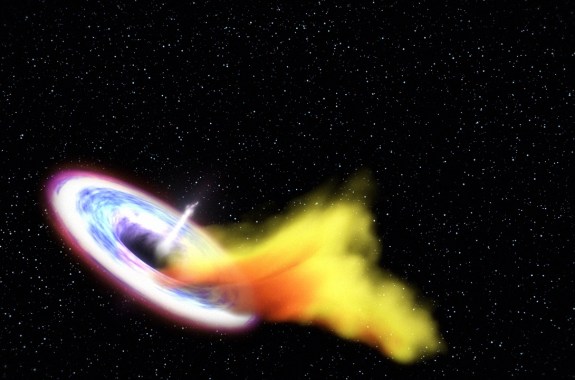
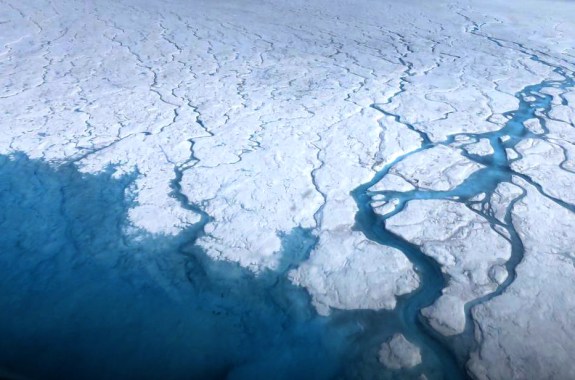
A Black Hole Meal, an Ancient Peach, and New NIH Rules for Animal Experiments
A black hole spews matter after a meal, and the National Institutes of Health call for more female animals to be used in preclinical research.
7:25
Errant Satellites Provide Test Case for General Relativity
A team of physicists have repurposed two satellites launched into the wrong orbit as an experiment to test one aspect of Einstein’s theory of general relativity.

12:10
Understanding The Epidemic Of Gun Violence
After the 2015 mass shooting in San Bernardino, California, researchers push that gun violence be addressed as a public health issue.
17:27
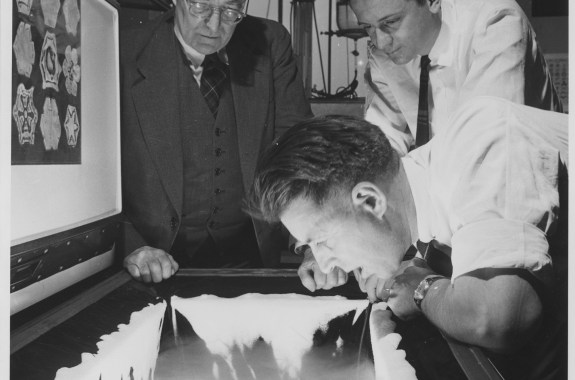
Kurt Vonnegut in the ‘House of Magic’
“The Brothers Vonnegut” reveals how Bernard Vonnegut’s research on cloud seeding influenced his brother Kurt’s fiction.
16:48
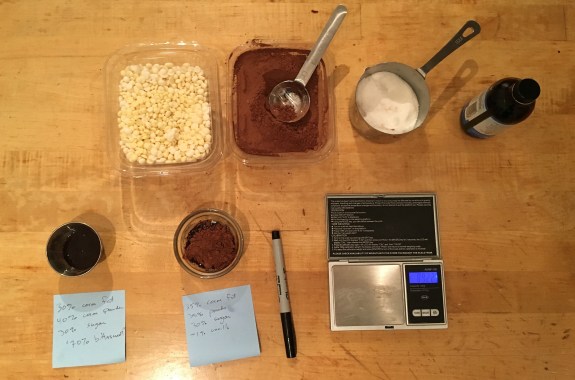
Do-It-Yourself Liquid Smoke, and Other Kitchen Hacks
Jeff Potter, author of “Cooking for Geeks,” explains how to make sour cream, chocolate bars, rolled oats—and even liquid smoke—from scratch.
Thank YOU for Supporting Science Friday
To everyone who donates, we’re delivering something warm and fuzzy.
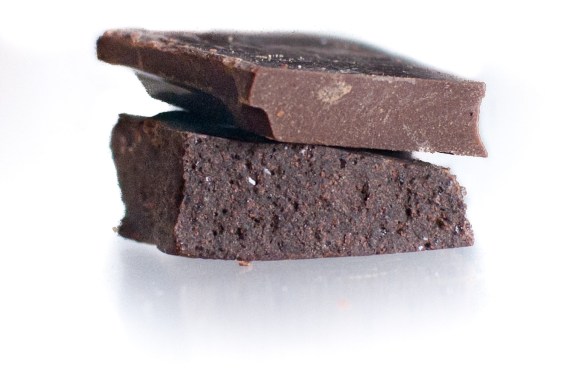
Make Your Own Sour Cream and Bittersweet Chocolate
Peel back the layers of how-it’s-made with these recipes from Jeff Potter.
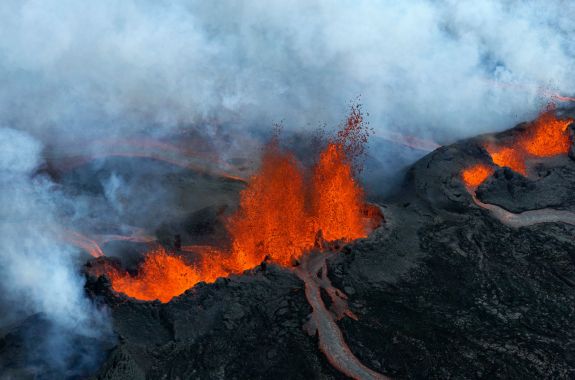
The Land of Volcanoes, Glaciers, and Mars-Like Deserts
Photographer Feodor Pitcairn ventured through serene and volatile landscapes to piece together a geological portrait of Iceland.
The Week-After Science Friday Quiz! 11/30/15
How closely did you listen to the Ig Nobel Prize Ceremony?
17:04
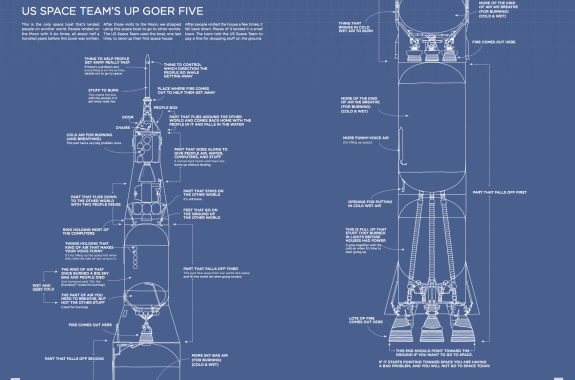
Randall Munroe’s Thousand-Word Challenge
In “Thing Explainer,” XKCD’s Randall Munroe explains nuclear power, continental drift, and the periodic table, using only the thousand most common English words.
28:59
These Science Students Learn to Think on Their Feet
Science students at New York’s Stony Brook University have an unusual offering on the class roster: “JRN 503: Improvisation for Scientists.”
47:47
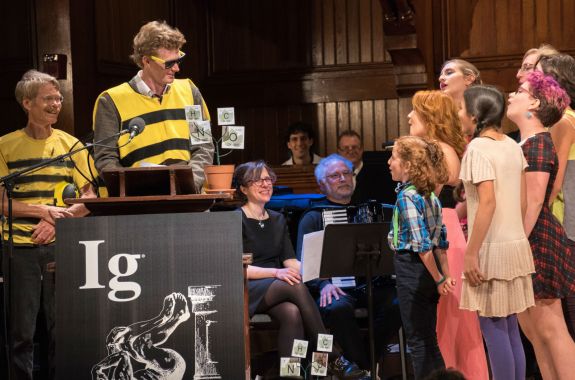
Somewhat Silly Science Earns Ig Nobel Prizes
The Ig Nobel Prizes honor scientific research that first makes you laugh, then makes you think.
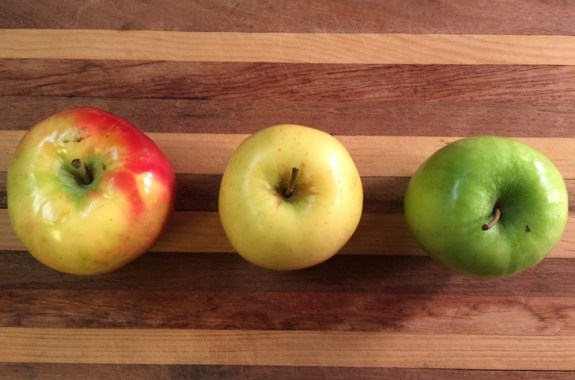
The Tragic Mystery Of The Mushy Apple
In this experiment, you’ll explore the influence of apple cell structure on the crunchiness and juiciness of an apple by measuring apple tissue tensile strength.
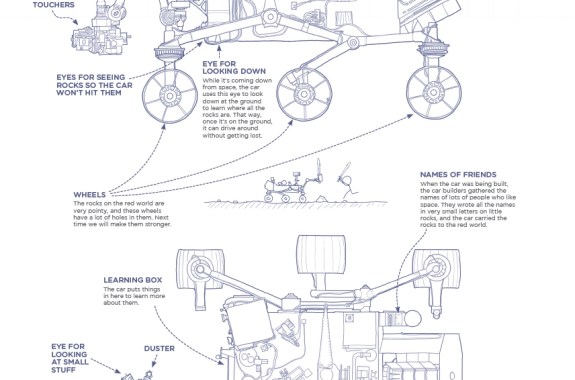
The Space Car on the Red World
Comic artist Randall Munroe describes the Curiosity Rover, in not so many words, in this excerpt from “Thing Explainer: Complicated Stuff in Simple Words.”
The Week-After Science Friday Quiz! 11/23/15
Can you crack the science behind cider and transit maps?
12:19
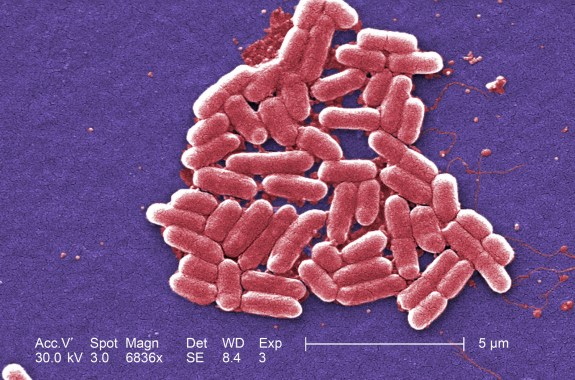
Antibiotic Awareness, Bee Blunders, and Barbie Becomes a ‘Chatty Cathy’
The World Health Organization launches Antibiotic Awareness Week, and Hello Barbie raises privacy concerns.

27:50
Why Machines Discriminate—and How to Fix Them
Big data sets can perpetuate the same biases present in our culture, teaching machines to discriminate when scanning resumes and approving loans.

05:43
Hard Cider Science
For cidermaker Alejandro del Peral, the process is “about 50 percent chemistry, and the other 50 percent is art.”