On Today's Podcast
Getting the billion-dollar PRIMA space telescope off the ground
The proposed PRIMA space telescope just entered Phase B of its development. What does that mean?
Listen NowOctober 16, 2026
A free-floating seaweed called sargassum is exploding in the Atlantic Ocean, clogging up coastlines from West Africa to the Caribbean. Attachment styles have taken off as a way to understand relationships. But does the science behind it line up with popular interpretations? Plus, the latest on commercial space stations, a mission to bring a sample from a Martian moon, and space-based weapons.
11:40
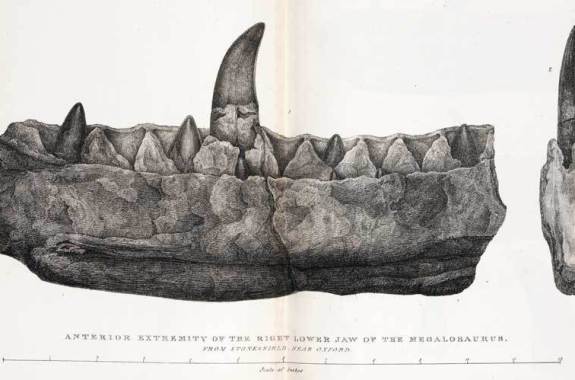
iBubble Wrap, Fossilized Owl Vomit, and Deadly Temperature Swings
Brandon Keim, a freelance science reporter, shares this week’s top science news.
17:19
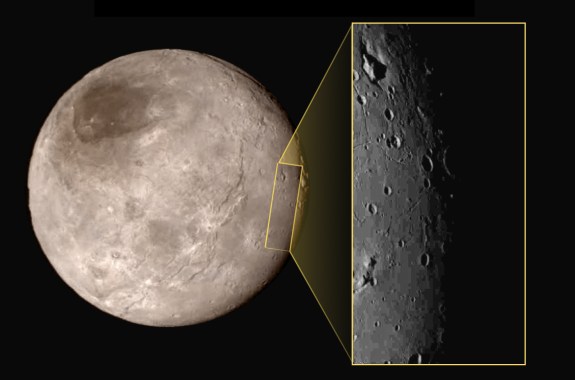
New Horizons Reveals Unexpected Worlds
Ice mountains and gaping canyons are just a few of the surprising features the New Horizons spacecraft beamed back this week.

16:37
Redefining the Kilogram
All the scales in the world are calibrated against a 125-year-old chunk of metal in a vault on the outskirts of Paris. Now scientists are looking to redefine the standard of what “kilogram” really means.
11:52
Can Video Games Be Used As Teaching Tools?
Are Minecraft’s digital building blocks the teaching tools of the future?
17:26
A Sci-Fi Writer Keeps His Eye on ‘Spaceship Earth’
In his new novel, “Aurora,” sci-fi writer Kim Stanley Robinson puts the dream of interstellar colonization under the microscope.
8:20
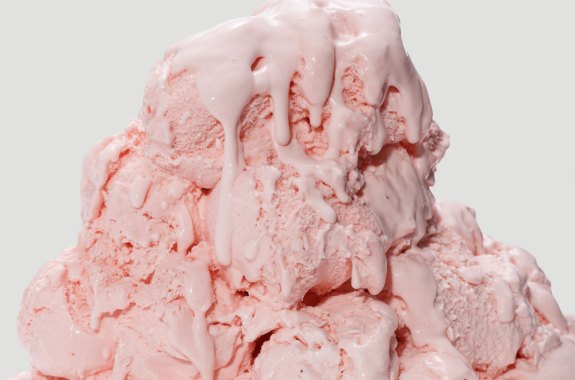
Total Meltdown: The Rate of Ice Cream Collapse
A food scientist explores how the microstructure of ice cream controls the rate at which it melts.
8:23
Why Do Screams Make You Shudder?
Human screams have a unique audio quality not found in other types of speech.
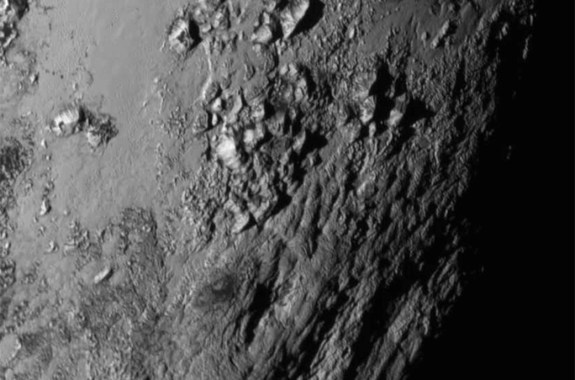
Well, Hello, Pluto!
Our most up-close-and-personal shot of the (dwarf) planet yet.
12:22
‘Biological Aging,’ Debunking Signs of Cometary Life, Triceratops Kin
Rachel Feltman of “The Washington Post” joins us for a roundup of the top science stories this week.

17:43
New Horizons Prepares for Pluto Close-Up
The New Horizons probe is about to capture its prize: a close-up of Pluto.
9:47
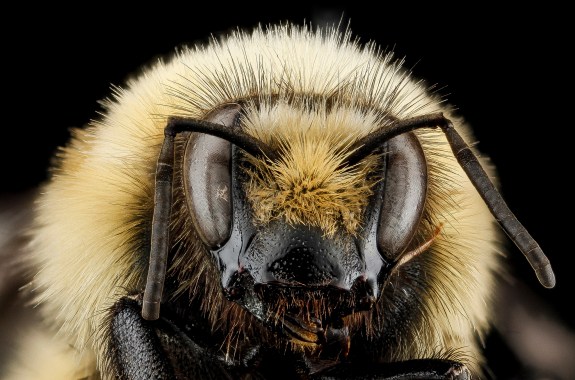
Is Climate Change the Plight of the Bumblebee?
Climate change has caused bumblebee habitats in North America to retreat by as much as 190 miles in some areas.

6:51
Lollipops Meet Lasers in This Lab
Science documentary producer Emily Driscoll stopped by a Willy Wonka-like math lab to see what lollipops can teach us about fluid dynamics.

12:02
Forget-Me-Not: How Prions Maintain Memory
Nobel Laureate Eric Kandel discusses the role of prions in maintaining long-term memories.

28:04
The Ultimate Geek Road Trip
“The Geek Atlas” author John Graham-Cumming helps us plot the ultimate geek road trip, with sites spanning the history of science, technology, and mathematics.

5:14
Astronomers Play Hide-and-Seek with Supermassive Black Holes
Researchers estimate that there are millions of supermassive black holes hidden in the universe.
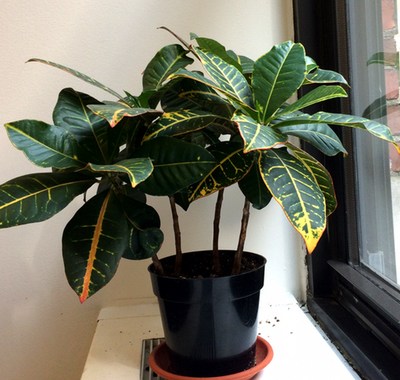
Track A Plant’s Movement
Are your plants moving without you knowing it? Catch your plant’s secret movements, called tropisms, in this hands-on activity.

The Antenna That Detected the Big Bang
An excerpt from “The Geek Atlas: 128 Places Where Science and Technology Come Alive.”
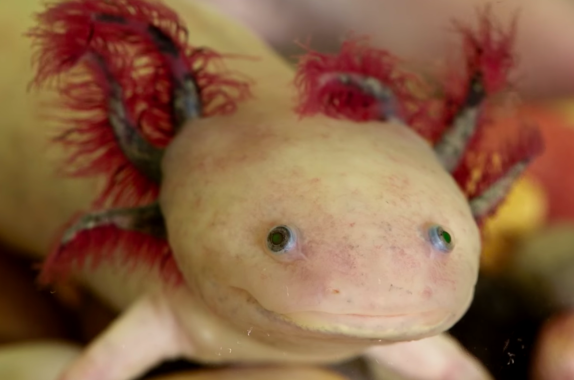
Mexico’s Singular Salamander
This critically endangered salamander reaches sexual maturity without undergoing metamorphosis.