On Today's Podcast
Is that garbage can bear resistant? These bears will find out
In the name of safety, test engineers turn pill bottles over to kids, launch dead chickens through jet engines, and let bears loose on coolers.
Listen NowOctober 16, 2026
A free-floating seaweed called sargassum is exploding in the Atlantic Ocean, clogging up coastlines from West Africa to the Caribbean. Attachment styles have taken off as a way to understand relationships. But does the science behind it line up with popular interpretations? Plus, the latest on commercial space stations, a mission to bring a sample from a Martian moon, and space-based weapons.
24:16
One Year Aboard The Space Station
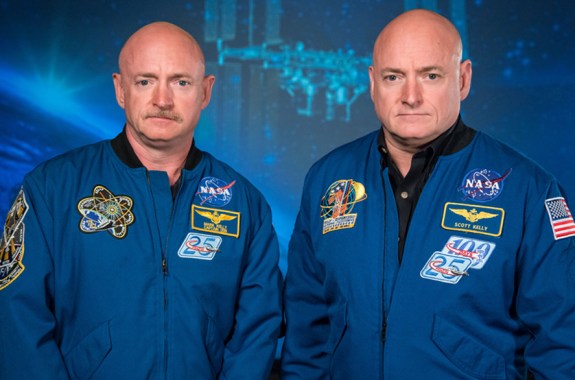
Astronaut Scott Kelly—aboard the International Space Station—and his Earth-bound twin brother, Mark, talk about the effects of living in space for one year.
11:59
How Did the Beefsteak Tomato Get So Beefy?
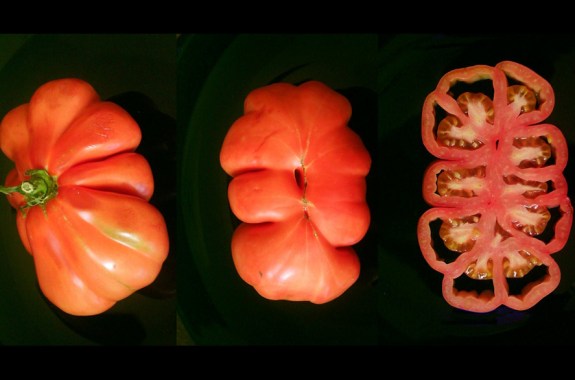
Biologist Zach Lippman describes the genetics behind the oversized beefsteak tomato.
25:55
The Limits of Artificial Intelligence
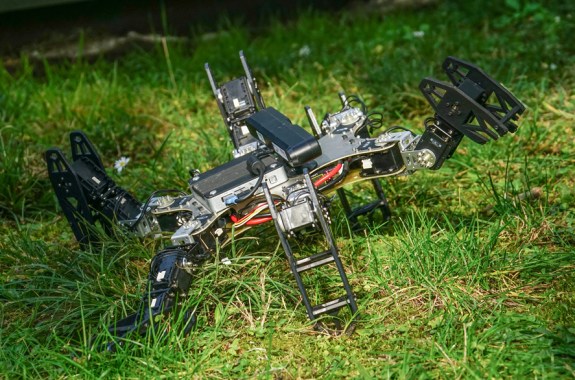
Scientists have unveiled a robot that can sustain injury to one of its six legs, think for a few minutes, and devise a more efficient way to walk.
7:59
We’re at Least a Little Like Yeast
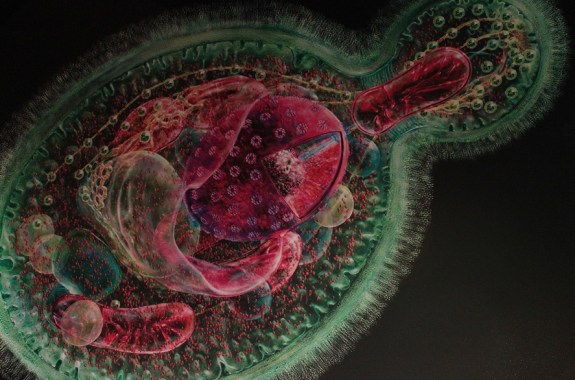
Scientist swap out yeast genes for human ones, with an almost 50 percent success rate.
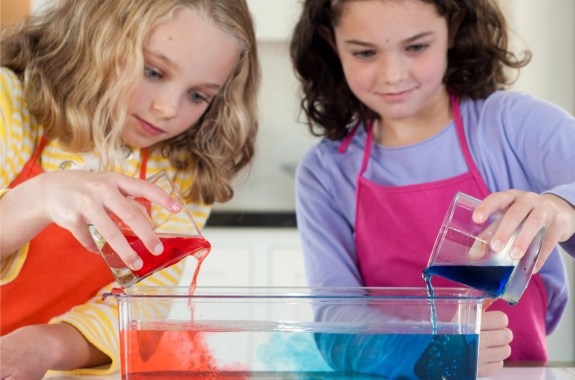
Solar Convection
Use hot and cold water to see how fluids at different temperatures move around in convection currents in this DIY Sun Science Activity from Lawrence Hall of Science.
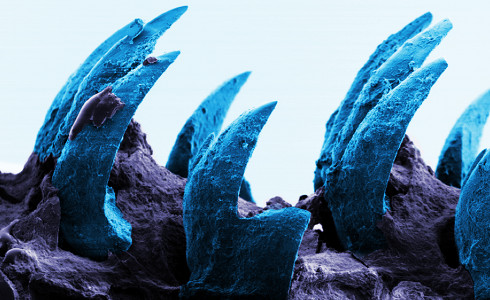
Limpet Teeth Tell of Daily Grind
The title-holder for strongest biological material goes to a small mollusk.
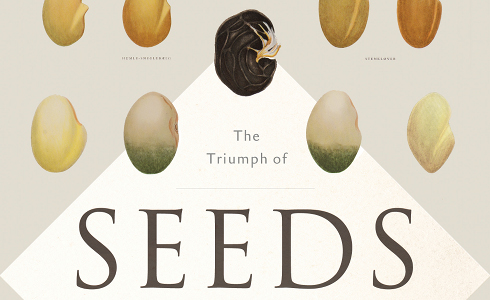
A Date Palm Named Methuselah
An excerpt from “The Triumph of Seeds,” by Thor Hanson.
12:04
Retracted Research, 3.3 Million-Year-Old Stone Tool, and Panda Guts
In this week’s news roundup, Rachel Feltman of The Washington Post joins us for a roundup of her top science stories of the week.
24:40
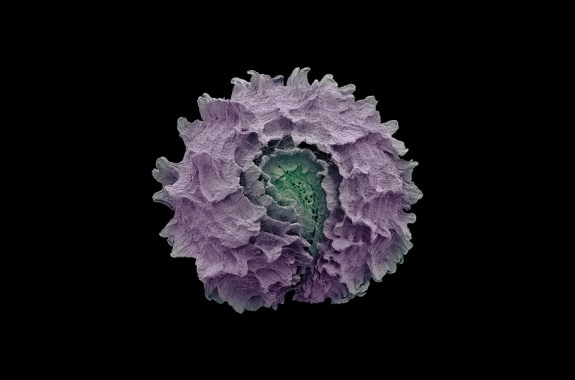
The Small But Mighty Seed
Biologist Thor Hanson describes the dizzying diversity of seeds. A new documentary, “Seeds of Time,” portrays the fight to save them.
9:19
In Your Skin, a Catalog of Sun-Induced Mutations
“Normal” human skin cells can contain a surprisingly large number of sun-induced mutations in their DNA, a new study has found.
12:17
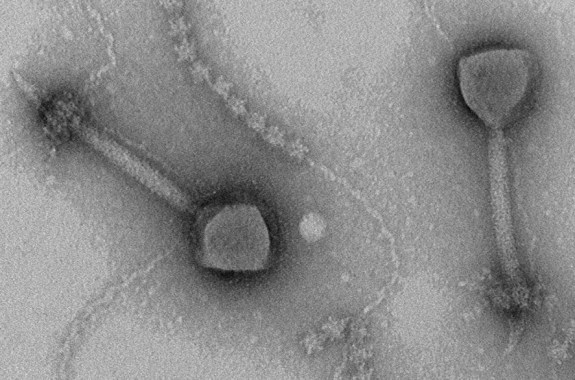
Plankton Goes Viral
A multi-year scientific expedition gives scientists new insights into the oceana’s viral communities.

17:44
Neal Stephenson Versus the Moon
Neal Stephenson’s new novel “Seveneves” blasts humanity into orbit, only to bring them down to earth…five thousand years later.
16:37
App Chat: Apps to ‘Smarten Up’ Your Car
Damon Lavrinc, an editor at Jalopnik, talks about driving apps and gadgets.

Map Sun Trails
Use photosensitive paper to make a map of the path of sunlight on the earth in this activity from the Lawrence Hall of Science.
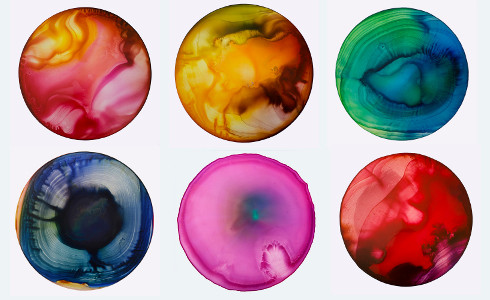
The Fine Art of Toxic Waste
An engineer and an artist are transforming pollution from coal mines into pigments used to tint paint.
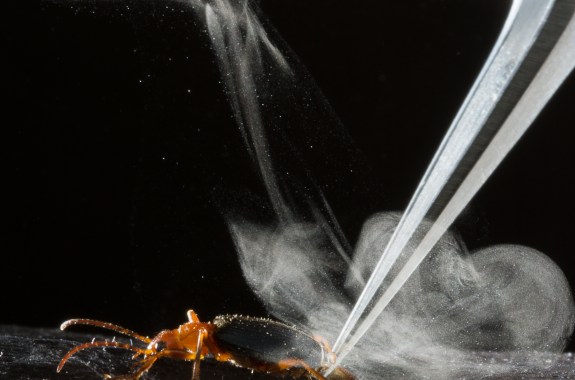
How the Bombardier Beetle Packs Its Punch
Researchers have figured how a toxin-spraying beetle packs its pulsing punch.
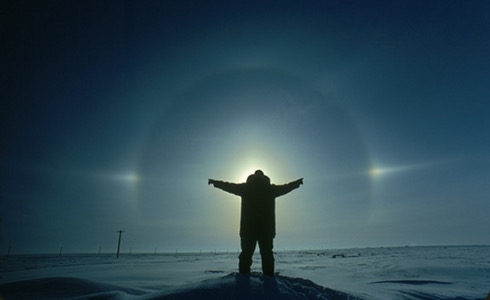
Sun Halo, With Sundog Companions
When the sun interacts with six-sided ice crystals, ethereal optical effects can occur.
12:10
‘Thrifty’ Metabolisms, Bad News Bees, and a Pricey Jar of Peanut Butter
Virginia Hughes of BuzzFeed News joins us for a roundup of her top science stories of the week.
17:41
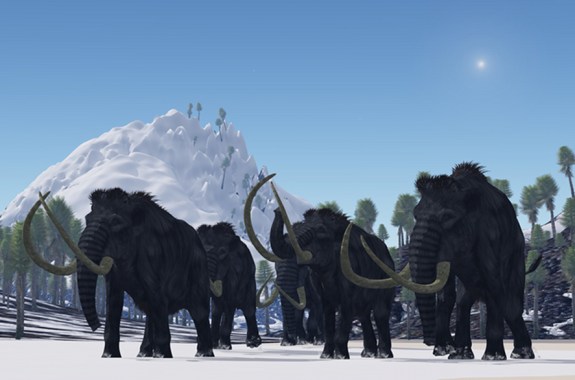
How To Clone A Mammoth
An expert in the field of ancient DNA explains the why’s and how to’s of woolly mammoth de-extinction.