On Today's Podcast
Isabella Rossellini on how acting connects to animal cognition
Should we anthropomorphize animals or not? An actor and an ecologist share what they’ve learned about animal cognition.
Listen NowOctober 23, 2026
CRISPR pioneer Jennifer Doudna discusses the evolution of gene-editing technology and what it takes to be a good scientist. Timekeepers around the world voted to stop using leap seconds, but what does that mean for us? Plus, how "problem bears" help test engineers evaluate consumer products, author Kazuo Ishiguro on emotional truth in our age of AI, and the science of apple varieties.
16:40
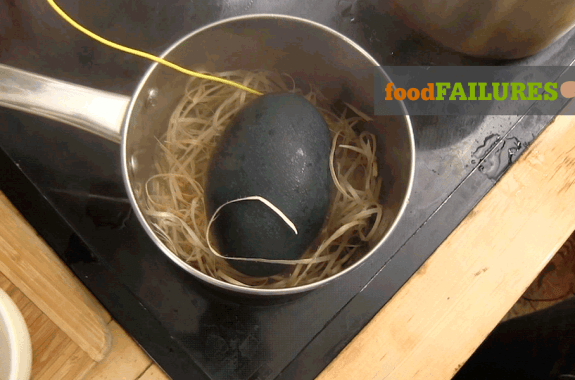
Cracking the Egg
There’s a better way to make hard-boiled eggs—and it doesn’t involve boiling.
4:55
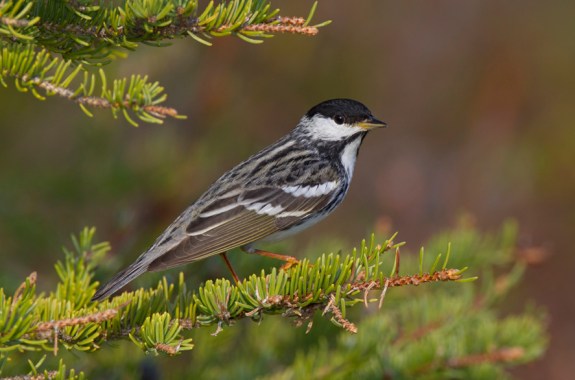
Catching a Non-Stop, Transatlantic Flight on a Songbird’s Back
The blackpoll warbler, a songbird that weighs 12 grams, can fly 1,700 miles—non-stop—to its wintering grounds.
16:16
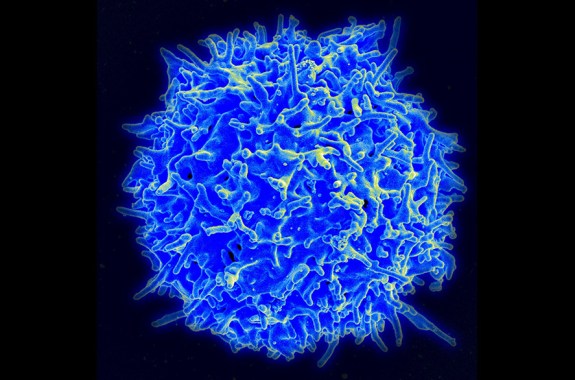
Building Cancer Vaccines From Tumor Mutations
Researchers look to the genome of a patient’s tumor to build a cancer vaccine.
10:48
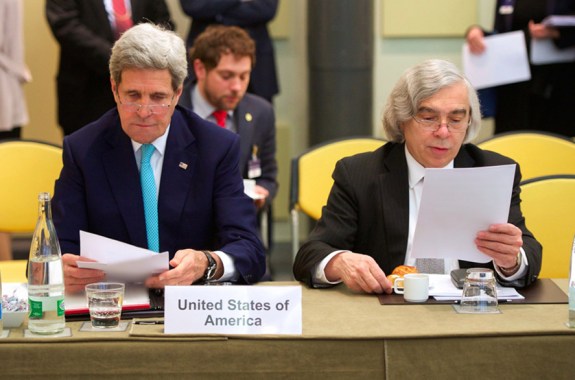
The Math Game Behind the Iran Nuclear Talks
Energy secretary Ernest Moniz joins us to talk about the science behind the diplomacy.
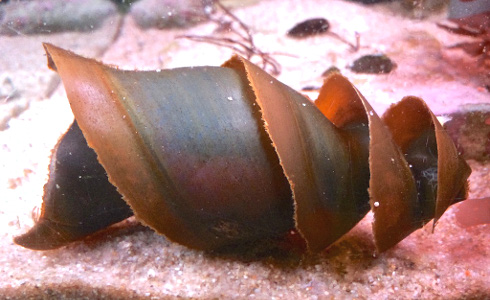
Home For A Horn Shark Embryo
The spiraling protective packaging ensconces a single embryo and yolk sac.
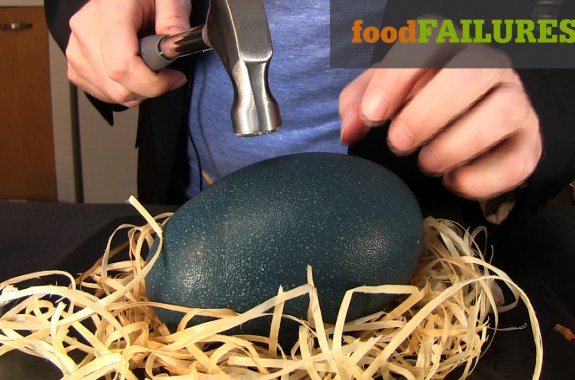
Easy Hard Eggs
Jeff Potter, author of “Cooking for Geeks,” explains how steaming eggs, even massive ostrich eggs, makes them easier to peel.
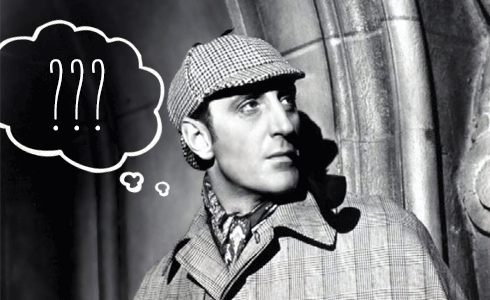
Spot the REAL Hypothesis
This April Fool’s Day, put your BS-detector to the test. Can you spot the REAL hypothesis?
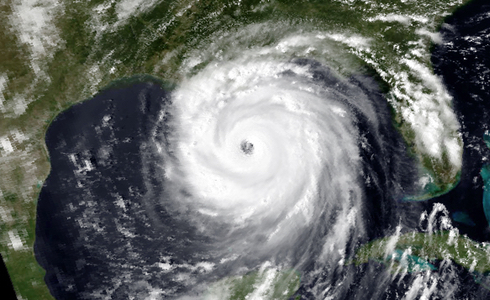
A 20-Year Dive Into Climate Change History
Have scientists always agreed on the impacts of climate change? Act like an investigative reporter by sifting through expert interviews and reports on extreme weather and climate change.

Eggs To Dye For
Why do eggs turn out brighter with a little vinegar? Investigate how different acids affect egg dyes in this kitchen chemistry experiment.
11:35
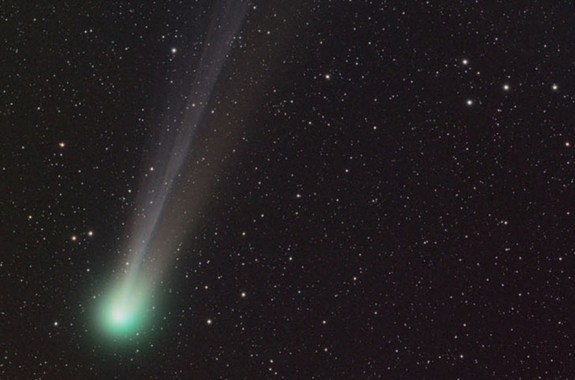
‘Hellish’ Conditions Gave Spark to Life on Earth
The early Earth was no place for life as we know it: Belching volcanoes, meteor strikes, hydrogen cyanide and a healthy bombardment of ultraviolet rays.
17:19
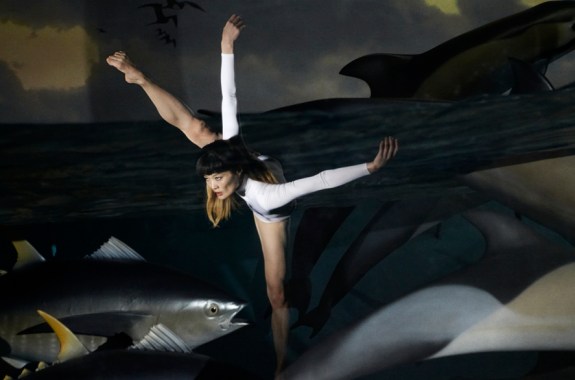
Shaking Up the Climate Conversation, With Dance
A choreographer and a biologist team up to create a dance that’s part high art, part climate change consciousness raising.
15:16
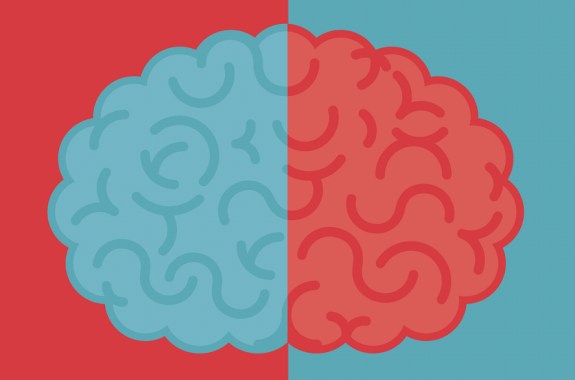
Michael Gazzaniga: Tales from Both Sides of the Brain
Cognitive neuroscientist Michael Gazzaniga discusses his on discovering how these halves communicate.
1:19
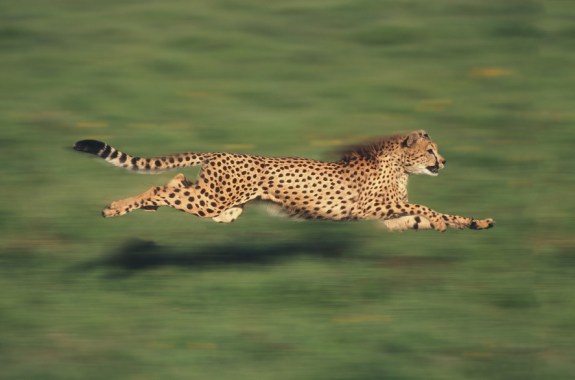
One Last Thing: Left to Right
When we picture rapidly moving things, people seem to have a preference for ones that move from left to right, not right to left.

7:35
Liquid 3-D Printer Speeds Past the Rest
A new, fast 3-D printer uses ultraviolet light and oxygen to shape liquid resin.
29:48
Understanding the Dark Side of Physics
Physicists discuss the quest to understand dark energy and dark matter.
8:12
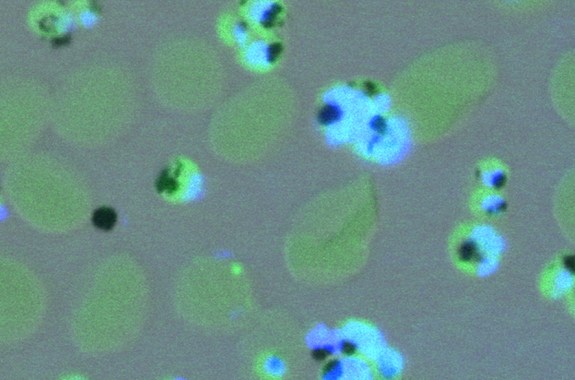
Malaria Parasite Lures Mosquitoes With Bait-and-Switch
The malaria parasite manufactures lemon-and-pine-scented aromas that attract mosquitoes.
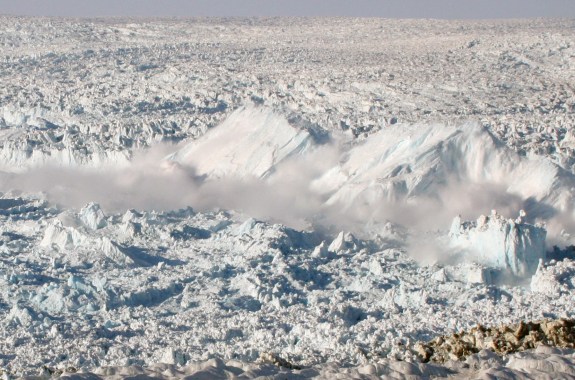
Capsizing Icebergs on the Rise in Greenland
Icebergs in Greenland are flipping over like dominoes more often than they have in the past.
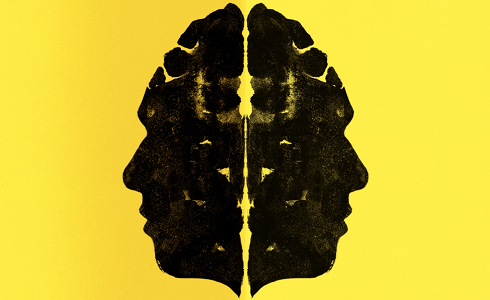
From Animal House to Prufrock House: Memories of Caltech in the ’60s
An excerpt from Michael Gazzaniga’s “Tales From Both Sides of the Brain.”
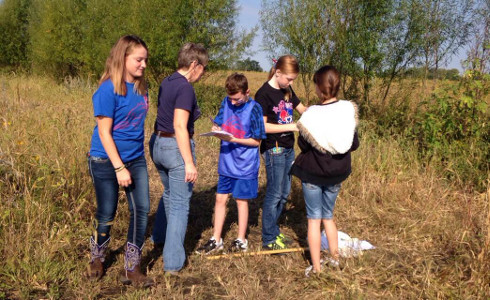
Science Friday Joins National STEM Partnership
The Science Friday Initiative has joined the 100Kin10 network.
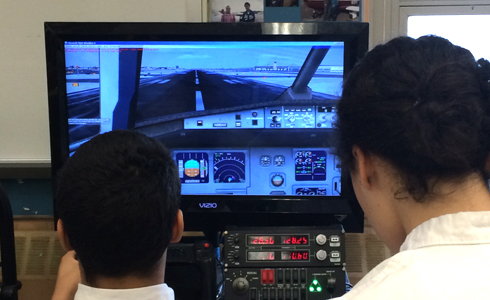
Ready for Take-Off: Teens Pilot Airplanes in New York City
Students at Frederick Douglass Academy in New York City use flight simulators as part of an aeronautics class, with some kids eventually logging flight time in real planes.