On Today's Podcast
What was life like for Tyranossaurus rex?
T. rex may be the most famous prehistoric predator, but their life wasn’t always bone-snapping chomps and food chain scaremongering.
Listen NowOctober 23, 2026
CRISPR pioneer Jennifer Doudna discusses the evolution of gene-editing technology and what it takes to be a good scientist. Timekeepers around the world voted to stop using leap seconds, but what does that mean for us? Plus, how "problem bears" help test engineers evaluate consumer products, author Kazuo Ishiguro on emotional truth in our age of AI, and the science of apple varieties.
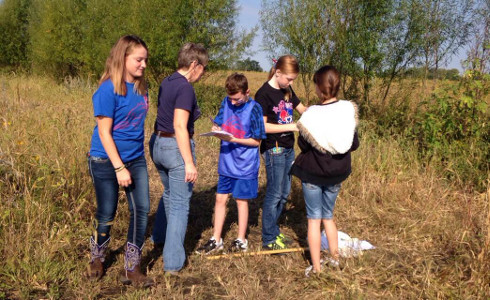
Science Friday Joins National STEM Partnership
The Science Friday Initiative has joined the 100Kin10 network.

Ready for Take-Off: Teens Pilot Airplanes in New York City
Students at Frederick Douglass Academy in New York City use flight simulators as part of an aeronautics class, with some kids eventually logging flight time in real planes.

22:34
Keeping the President in Tune With Tech
Megan Smith, a Google alum who once built and raced a solar car across Australia, came on board last year as U.S. Chief Technology Officer.
16:50
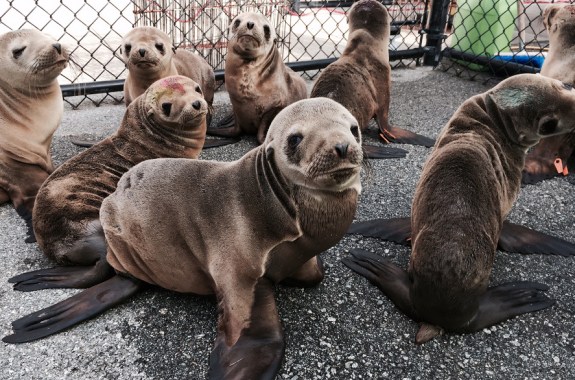
Warming West Coast Waters Upset Food Chains
Warmer waters are changing the distribution of food in the Pacific, stranding hundreds of starving sea lion pups on shore, and causing the death of hundreds of thousands of birds.

2:32
Sweeping the Skies, More Than 200 Years Ago
Astronomer Caroline Herschel was born 265 years ago this week, on March 16, 1750. She was the first woman to receive a salary for astronomical research.
12:18
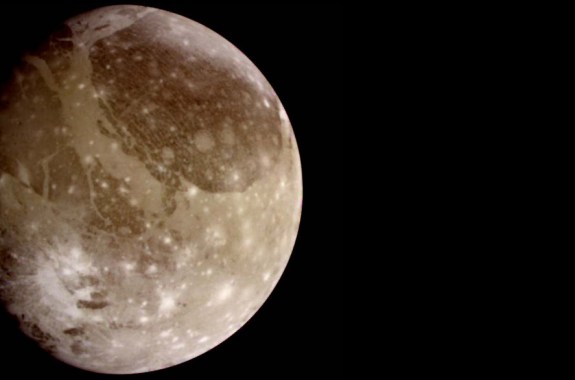
Scientists Dip Into the Water on Jupiter’s Largest Moon
Scientists estimate that a subsurface ocean on Jupiter’s largest moon—Ganymede—could be 60 miles thick.

17:24
What Will It Take to Land a Person on Mars?
What technological hurdles must be cleared for a successful manned mission to Mars?

22:10
Writing Women Back Into Science History
This Women’s History Month, Science Friday celebrates some of the unsung heroines of science.
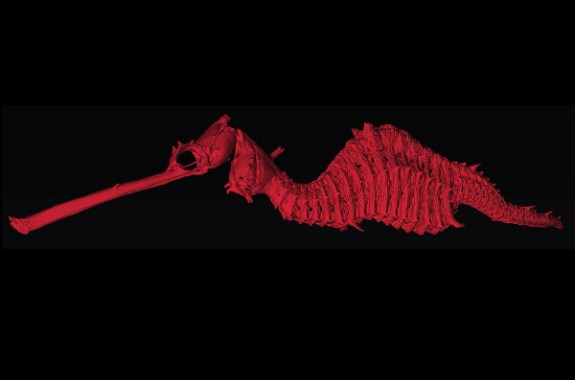
Here There Be Seadragons
Researchers discovered a new type of seadragon, bringing the total number of known species to a whopping three.

Overheard at SXSW 2015
Science Friday web producer Chau Tu is in Austin, Texas for SXSW Interactive + Film.

Kitchen Math: How To Eat π Pies
Methodically slice up four pies to reach the irrational number pi.
11:52
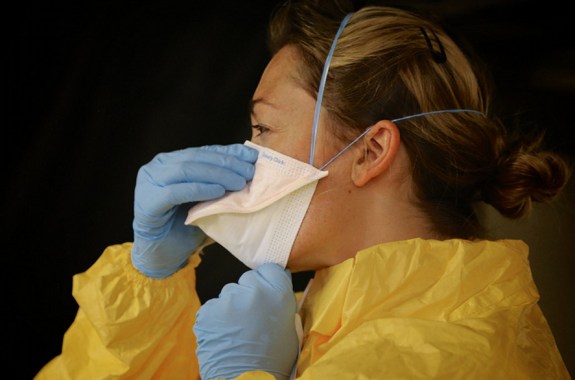
As Ebola Infection Rates Decline, Will Vaccine Search Continue?
Will momentum for developing an Ebola vaccine and treatment stay on track as infection rates decrease?
10:01
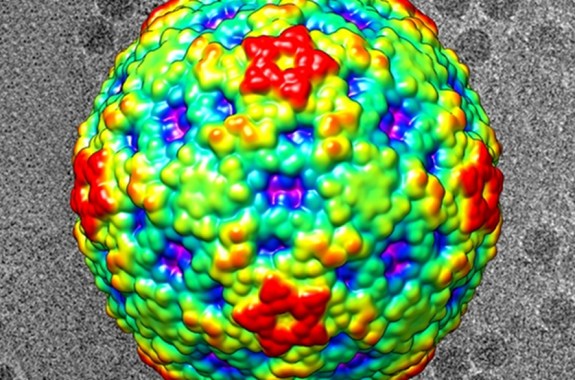
Puzzling Polio-like Paralysis Baffles Doctors
Doctors are trying to piece together a puzzling polio-like paralysis that might be associated with a respiratory illness.
7:11
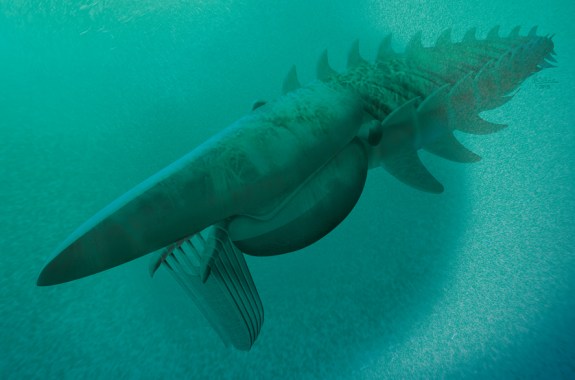
When a Seven-Foot-Long Arthropod Swam the Seas
Fossils found in Morocco might help explain how modern-day insects, crustaceans, and other arthropods got their shapes.

15:36
‘ResearchKit’ Taps iPhone Users for Clinical Trials
Apps on the new platform allow iPhone users to enroll in clinical trials on heart health, Parkinson’s, or asthma. But critics say the smartphone-driven studies have flaws.

22:48
Rise of the Bot Author
Algorithms already write financial and sports news articles. Could they break into fiction?
14:52
SciFri Celebrates π
This year holds an unusually special treat for enthusiasts of the constant π: March 14, 2015 approximates π not just to the usual three digits (3.14) but to five: 3.14.15.
6:45
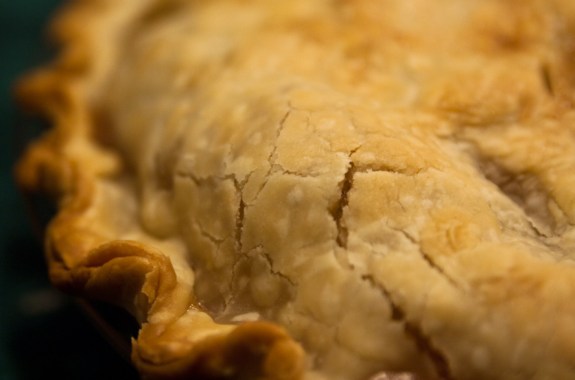
Food Failures: Crafting Pie Crust
The science behind baking the perfect pie crust.

0:35
How An 11-Year-Old Named A (Dwarf) Planet
Venetia Burney, age 11, came up with the name “Pluto” for a newly-discovered planet 85 years ago this week.