On Today's Podcast
What was life like for Tyranossaurus rex?
T. rex may be the most famous prehistoric predator, but their life wasn’t always bone-snapping chomps and food chain scaremongering.
Listen NowOctober 23, 2026
CRISPR pioneer Jennifer Doudna discusses the evolution of gene-editing technology and what it takes to be a good scientist. Timekeepers around the world voted to stop using leap seconds, but what does that mean for us? Plus, how "problem bears" help test engineers evaluate consumer products, author Kazuo Ishiguro on emotional truth in our age of AI, and the science of apple varieties.

Talking Darwin Over Dinner
An excerpt from the Science Guy’s new book, “Undeniable.”

SciArts: Exoplanet Art
Artist Helena Kauppila imagines and paints her vision of what it would be like stand on the surface of another planet and look up at the stars.

When Egg Meets Sperm, Sparks Fly
The original meet-cute. When sperm and egg meet, sparks fly.

Make Your Own Fall Foliage With This Dad-Tested Experiment
Learn about why leaves change colors in different seasons.

22:17
An App A Day Keeps The Doctor Away?
Eric Topol’s book ‘The Patient Will See You Now’ argues that technology will save patients time and money—and put healthcare back in their hands.
23:41
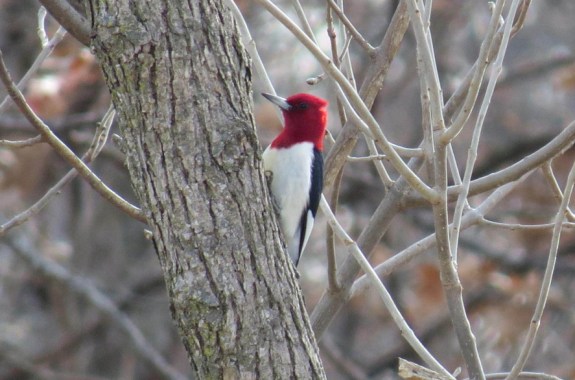
Birding Into the New Year
We’ll check in on the 115th annual Audubon Christmas Bird Count and hear what birds have made an appearance so far this winter.

11:52
Don’t Stress! How To (Probably) Keep Your New Year’s Resolutions
A lack of discipline isn’t what might undermine your goals, but rather an abundance of stress.
10:54
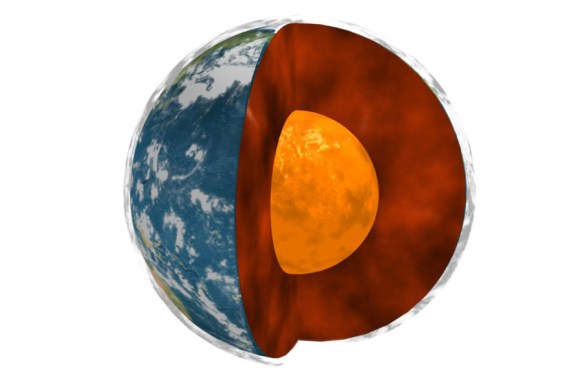
Could an ‘Ocean’ of Water Be Trapped Within the Earth?
Rocks deep within the earth’s mantle could sequester water for billions of years and release small amounts to the surface.
23:23
Families Geek Out! Try These DIY Experiments at Home
“Bill Nye the Science Guy” writer Lynn Brunelle and “Dad’s Book of Awesome Science Experiments” author Mike Adamick share fun science experiments parents and kids can do at home.

A New Era of Medicine, Centered on Smartphones
An excerpt from “The Patient Will See You Now.”
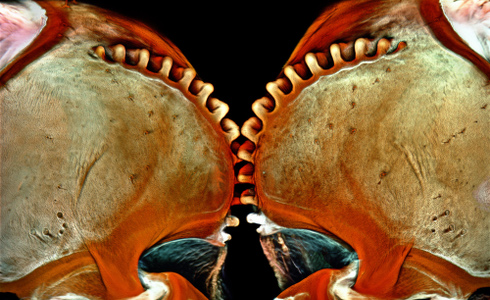
This Insect’s Got Gears
The cogs allow the planthopper nymph to synchronize movement of its hind legs.


Science Friday Home Science Highlights of 2014
Our best home experiments and maker projects from 2014.
The Best of Science Friday, 2014 (Picked by Our Staff)
SciFri staff members recommend their favorite stories from the past year.
40:50
2014 Science Year in Review
From the Ebola outbreak to the Rosetta mission to a comet, a look at the biggest science stories of the year.

5:55
Birdie in Flight
The aerodynamics of the badminton birdie, along with a complex chain of movements executed by players, enables it to reach 200 mph.

23:12
John McPhee Assembles California
In this 1993 interview from the Science Friday archives, writer John McPhee talks plate tectonics and global geology.

23:43
SciFri Live: Science Movie Quiz
You may know science, but how well do you know movie science?
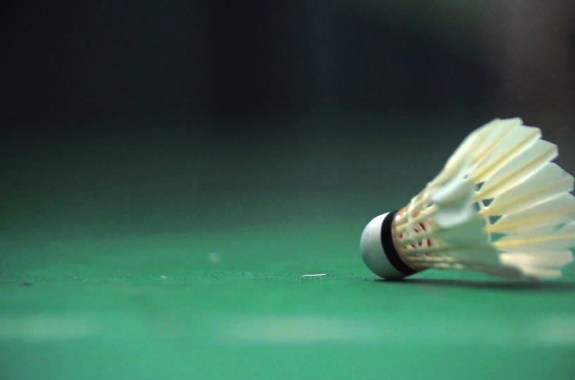
Birdie In Flight: The Science of Badminton
The key to the badminton’s speed is the unique aerodynamic shape of the birdie and the kinetic movements by players.