On Today's Podcast
What was life like for Tyranossaurus rex?
T. rex may be the most famous prehistoric predator, but their life wasn’t always bone-snapping chomps and food chain scaremongering.
Listen NowOctober 23, 2026
CRISPR pioneer Jennifer Doudna discusses the evolution of gene-editing technology and what it takes to be a good scientist. Timekeepers around the world voted to stop using leap seconds, but what does that mean for us? Plus, how "problem bears" help test engineers evaluate consumer products, author Kazuo Ishiguro on emotional truth in our age of AI, and the science of apple varieties.
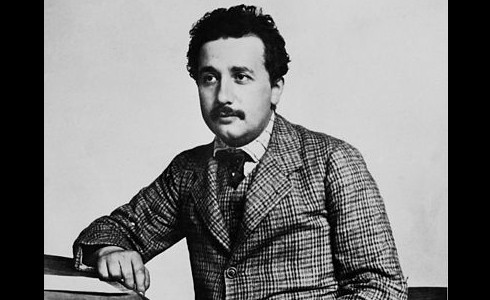
What You Didn’t Know About Einstein
When you find yourself wanting to re-read a book that you just finished, you gotta recommend it to others.
37:05
Biosecurity for the Age of Redesigned Life
Bioethicists—and the FBI—are rethinking biosecurity for the synthetic biology revolution.
7:44
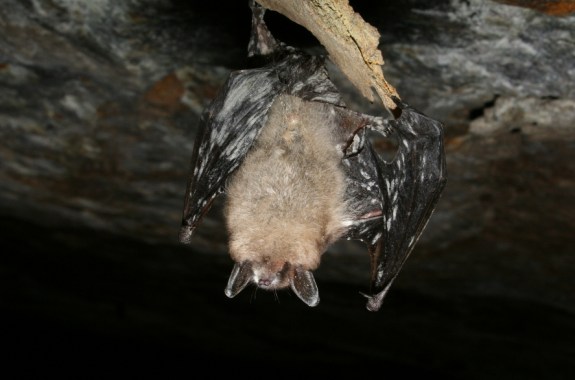
So Far, No Silver Bullet To Stop Lethal Bat Fungus
Scientists say antifungal bacteria could help fight the fungus causing white-nose syndrome.
17:20
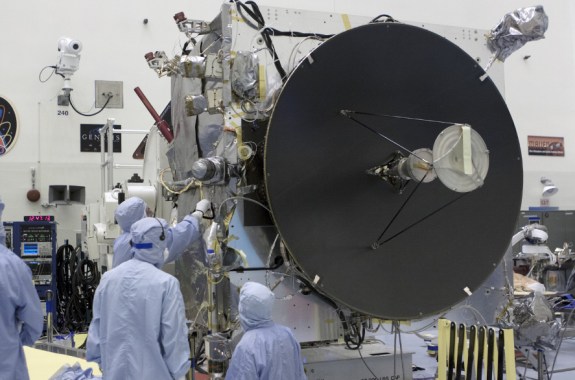
India and NASA Home In on Mars
The Mangalyaan orbiter would make India the fourth space program to reach the Red Planet.
24:56
Navigating Dietary Supplement Regulations
Dietary supplements don’t fall under the conventional food or drug FDA regulations.
3:20
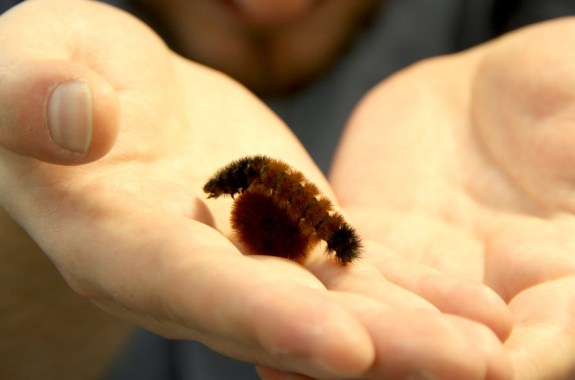
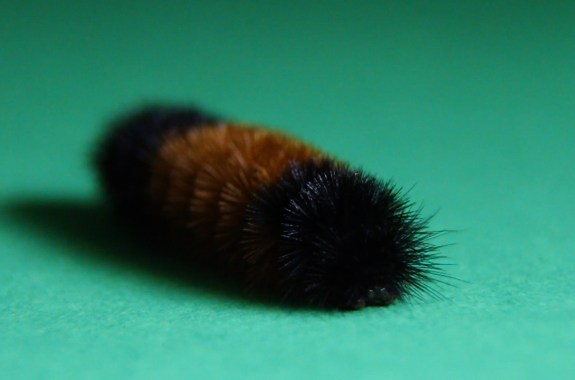
The Myth of the Woolly Bear
Can woolly bear caterpillars predict winter weather?

Rainbow in a Tree
This eucalyptus’ kaleidoscopic bark is a photographer’s delight.
30:01
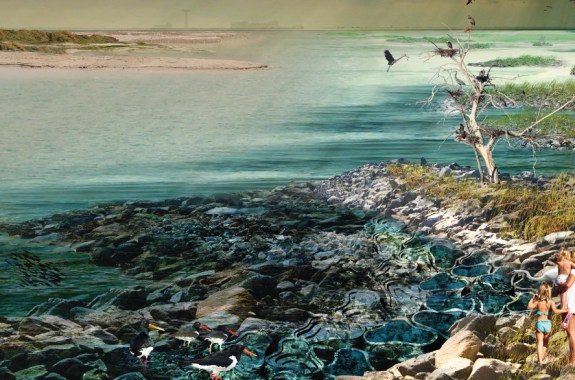
Hurricane Sandy Recovery, One Year Later
A year after Hurricane Sandy, differing visions for the coastline of tomorrow.

16:57
To Learn How Your Camera Works, Try Building One
The Bigshot Do-It-Yourself Digital Camera kit gives tinkerers a view of a camera’s anatomy.
16:51
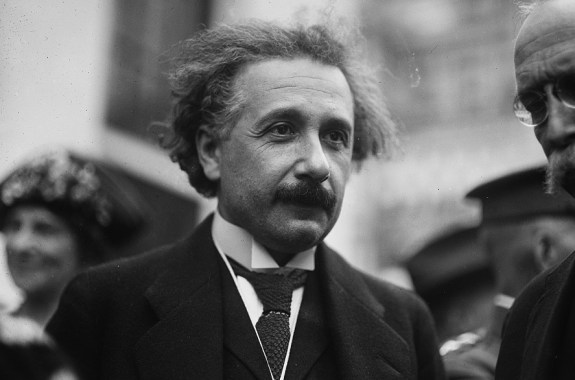
Einstein’s Real Breakthrough? Quantum Theory
Einstein is best known for relativity, but was his quantum theory more revolutionary?

29:58
Chris Hadfield’s Lessons From Life in Orbit
Retired astronaut Chris Hadfield explores life floating through space and back on Earth.
Einstein’s Monster
An excerpt from “Einstein and the Quantum: The Quest of the Valient Swabian.”
8 Minutes, 42 Seconds to Space
An excerpt from “An Astronaut’s Guide to Life on Earth.”
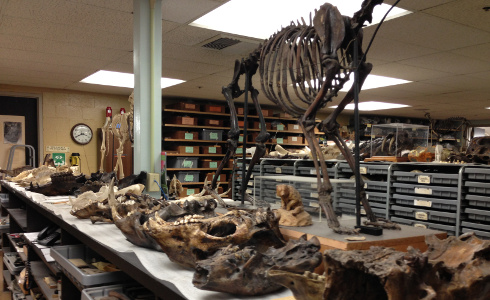
Time Traveling at La Brea Tar Pits
The SciFri staff visited La Brea Tar Pits, which is celebrating 100 years of excavation.
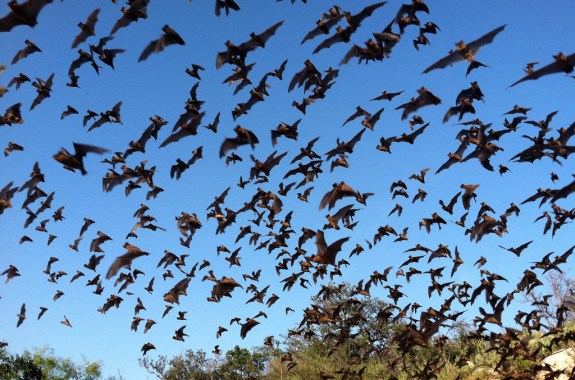
Mavericks Of The Bat World
Mexican free-tailed bats engage in aerial acrobatics reminiscent of the jet maneuvers in “Top Gun.”
Am I A Psychopath?
An excerpt from “The Psychopath Inside: A Neuroscientist’s Personal Journey into the Dark Side of the Brain.”

12:09
The Real-Life Walking Dead
People suffering from Cotard’s syndrome believe they are dead or no longer exist.
17:29
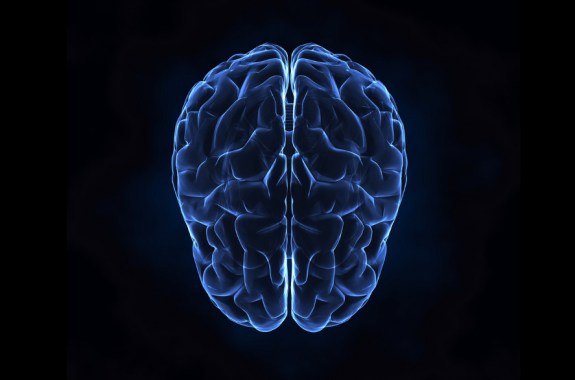
Uncovering the Brain of a Psychopath
Neuroscientist James Fallon’s brain scan matched the patterns in the scan of a psychopath.

12:26
Climate Change Aids Toxic Slime’s Advance
Toxic blooms of cyanobacteria are choking lakes and rivers worldwide, due in part to warmer waters.